
Yes, misaligned garage door safety sensors can absolutely stop a garage door from closing. In fact, it is one of the most common reasons a garage door won’t close all the way in San Diego homes. The same issue can also affect businesses that rely on safe and consistent operation, which is why sensor alignment is frequently addressed during commercial garage door repair services as well.
Garage door safety sensors, also called photo eye sensors, are designed to prevent the door from closing if something is in its path. When these sensors are even slightly out of alignment, the system reads it as an obstruction. The result? The garage door reverses before closing or refuses to close at all.
In coastal areas like San Diego, factors such as salt air corrosion, daily vibration, and even foundation movement can increase the chances of sensor misalignment. Understanding how these sensors work and what signs to look for can help homeowners and property managers prevent larger garage door problems.
How Garage Door Safety Sensors Actually Work
What Are Photo Eye Sensors?
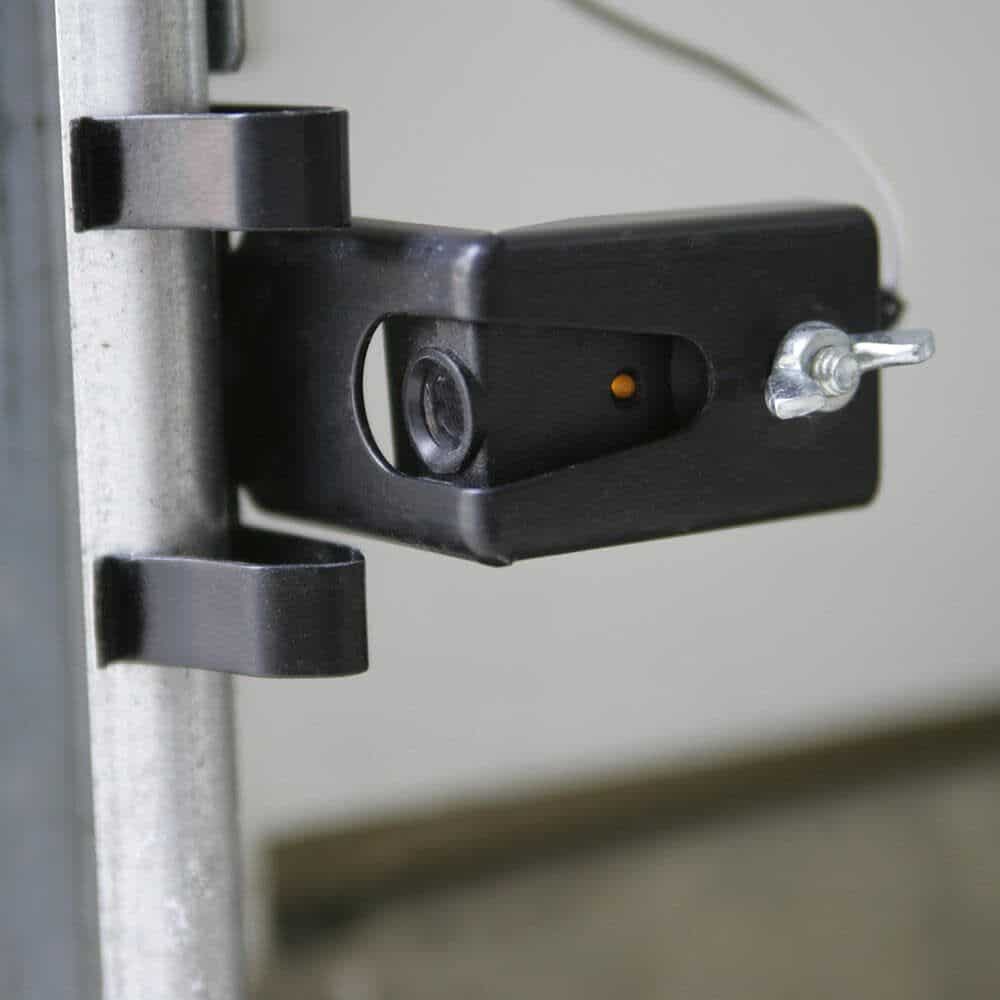
Garage door safety sensors are small devices mounted near the bottom of the garage door tracks, usually about six inches above the ground. One sensor sends an invisible infrared beam across the door opening, and the other sensor receives it.
If that beam is interrupted, the garage door opener immediately stops closing and reverses direction. This safety feature protects children, pets, vehicles, and objects from being struck by a closing door.
Why They Are Required by Law
Since the early 1990s, federal safety regulations (UL 325 standards) have required all residential garage door openers to include an automatic reversal system. That includes properly functioning garage door safety sensors.
If sensors are not aligned or not working correctly, the opener will not allow the door to close normally.
What Happens When the Beam Is Blocked
When the infrared beam does not connect properly:
- The garage door may start closing and then reverse.
- The opener light may blink repeatedly.
- One sensor light may flicker or turn off.
- The door may only close if the wall button is held down.
During service calls throughout San Diego, misaligned sensors are often discovered after homeowners assume the opener motor is failing. In many cases, the issue is much simpler.
For a deeper look at other possible causes, read Why Your Garage Door Won’t Close All the Way (Common Causes and Safe Next Steps) to better understand what may be happening with your system.
Yes, Misaligned Sensors Can Stop Your Garage Door From Closing
The Simple Explanation
If the two sensors are not facing each other directly, the infrared beam cannot connect. Even a slight tilt or shift can break that connection.
When that happens, the opener assumes something is blocking the door. The system will not allow the garage door to close as a safety precaution.
Common Symptoms of Sensor Misalignment
Homeowners in San Diego frequently report:
- The garage door won’t close all the way
- The garage door reverses before touching the ground
- One sensor light is blinking
- The door closes only when holding the wall button
- Opener light flashing multiple times
These are classic signs of garage door safety sensor misalignment.
Why This Is Common in San Diego Homes
San Diego’s environment creates unique challenges:
- Coastal salt air causes corrosion on brackets and screws.
- Daily vibration loosens mounting hardware.
- Minor seismic activity can slightly shift tracks.
- Bright sunlight can interfere with older photo eye sensors.
Even well-maintained garage doors can develop alignment issues over time.
For more insight into related causes and troubleshooting steps, explore Why Won’t My Garage Door Close All the Way? to better understand what may be affecting your system.
7 Signs Your Garage Door Sensors Are Misaligned
Recognizing the warning signs early can prevent frustration and unnecessary wear on your garage door opener.
1. One Sensor Light Is Off
Most sensors have LED indicator lights. Both should be solid. If one is completely off, alignment or wiring may be the issue.
2. LED Light Flickering
A flickering light usually means the beam connection is weak or unstable.
3. Door Closes Partway Then Stops
The system may detect a broken beam mid-cycle and reverse the door.
4. Door Reverses Before Touching the Ground
This is one of the most common garage door troubleshooting complaints.
5. Clicking Sound From the Opener
The opener may click as it attempts to engage, but stops due to sensor interruption.
6. Inconsistent Closing Behavior
The door works sometimes, but not others. This often happens when vibration temporarily shifts a loose sensor bracket.
7. Sensors Appear Tilted or Loose
If the sensor brackets look bent, crooked, or unstable, misalignment is likely.
To learn more about related reversal issues, read What Causes a Garage Door to Reverse Before Closing? for a deeper explanation of why this happens and what it means for your system.
What Causes Garage Door Sensors to Go Out of Alignment?
Accidental Bumps
Trash bins, bicycles, storage boxes, or even children playing can knock sensors out of position.
Loose Mounting Brackets
Over time, screws loosen due to vibration from daily garage door use.
Track Shifting or Warping
If the garage door track shifts slightly, it can change the angle of the mounted sensor.
Corrosion From Coastal Air
Homes closer to the ocean in San Diego are especially vulnerable. Salt exposure speeds up rust formation, weakening hardware.
Sunlight Interference
Bright Southern California sunlight can overwhelm older sensors, especially during certain times of day.
What San Diego Homeowners Can Safely Check Before Calling a Professional
There are a few safe checks homeowners can perform. However, electrical wiring or system bypassing should never be attempted.
Check for Obstructions
- Remove dirt, leaves, or spider webs.
- Clear any stored items near the sensors.
Look at the Sensor Lights
- Both lights should be solid.
- Blinking usually indicates misalignment.
Inspect for Visible Damage
- Cracked lens
- Hanging wires
- Bent brackets
Confirm Both Sensors Face Each Other
From a safe distance, verify that both sensors appear level and pointed directly at each other.
Gently Clean the Lenses
Use a soft cloth to remove dust or debris. Avoid harsh chemicals.
If problems continue after these checks, professional garage door service may be needed.
When Misalignment Is Not the Only Problem
Sometimes the issue goes beyond simple alignment.
Damaged Sensor Wiring
Rodents, corrosion, or age can damage low-voltage wires.
Faulty Garage Door Opener Logic Board
If sensors are aligned but the system still malfunctions, the opener control board may be failing.
Track Misalignment
Improper track alignment can affect sensor positioning.
Spring or Cable Issues
Broken torsion springs or worn cables may cause the door to behave unpredictably, which can be mistaken for a sensor problem.
A trained technician can determine whether the issue involves garage door safety sensors or a deeper mechanical failure.
How to Prevent Garage Door Sensor Problems in Coastal San Diego
Preventive maintenance significantly reduces unexpected breakdowns.
Schedule Annual Garage Door Maintenance
Professional inspections help identify early corrosion or loose hardware.
Use Rust-Resistant Hardware
Stainless or coated components perform better in coastal climates.
Keep Tracks Clean
Debris buildup can shift alignment over time.
Avoid Storing Items Near Sensors
Clear space reduces accidental bumps.
Consider Seasonal Inspections
Homes within a few miles of the San Diego coastline may require more frequent checks due to salt exposure. This is especially important for properties with a commercial roll-up door, where frequent operation increases vibration and alignment wear.
Preventive maintenance protects not only the sensors but also the entire garage door opener system.
Average Sensor Repair or Replacement Costs in San Diego, CA
While exact pricing varies, garage door sensor replacement costs depend on several factors, including:
- Brand compatibility
- Wiring condition
- Labor requirements
- Opener age
If the garage door opener is over 10–15 years old, replacing the entire unit may be more practical. This consideration also applies to certain commercial overhead door systems, where updated safety components and opener technology may improve reliability and compliance.
Professional calibration ensures the infrared beam is properly aligned and the safety reversal system functions correctly.
When to Call a Garage Door Professional in San Diego
Professional service is recommended if:
- Sensors continue blinking after cleaning
- The door repeatedly reverses
- Wiring damage is visible
- Opener light flashes persist
- The system is over a decade old
- There are safety concerns involving children or pets
A licensed garage door technician can safely and accurately diagnose sensor misalignment, opener issues, track problems, and mechanical wear. For property owners planning upgrades, professional evaluation is also important when considering commercial garage door installation to ensure safety systems, alignment, and opener components meet current operational standards.
Protecting Your Garage Door System in San Diego
Misaligned sensors can absolutely stop a garage door from closing. In many San Diego homes, this issue develops due to vibration, corrosion, sunlight exposure, or simple wear and tear.
Garage door safety sensors are a critical part of your home’s protection system. When they are working correctly, they prevent injury and damage. When they fail, they create inconvenience and potential safety risks.
Routine maintenance, early detection of warning signs, and professional inspections can keep your garage door system operating safely and reliably in San Diego’s coastal climate.
For homeowners who want dependable service and experienced diagnostics, ADS Garage Doors and Gates Repair is known throughout San Diego for professional garage door inspections, accurate troubleshooting, and long-lasting repair solutions. If your garage door won’t close properly or your sensors continue acting up, contact us today or give us a call and restore safe, reliable operation with confidence.