
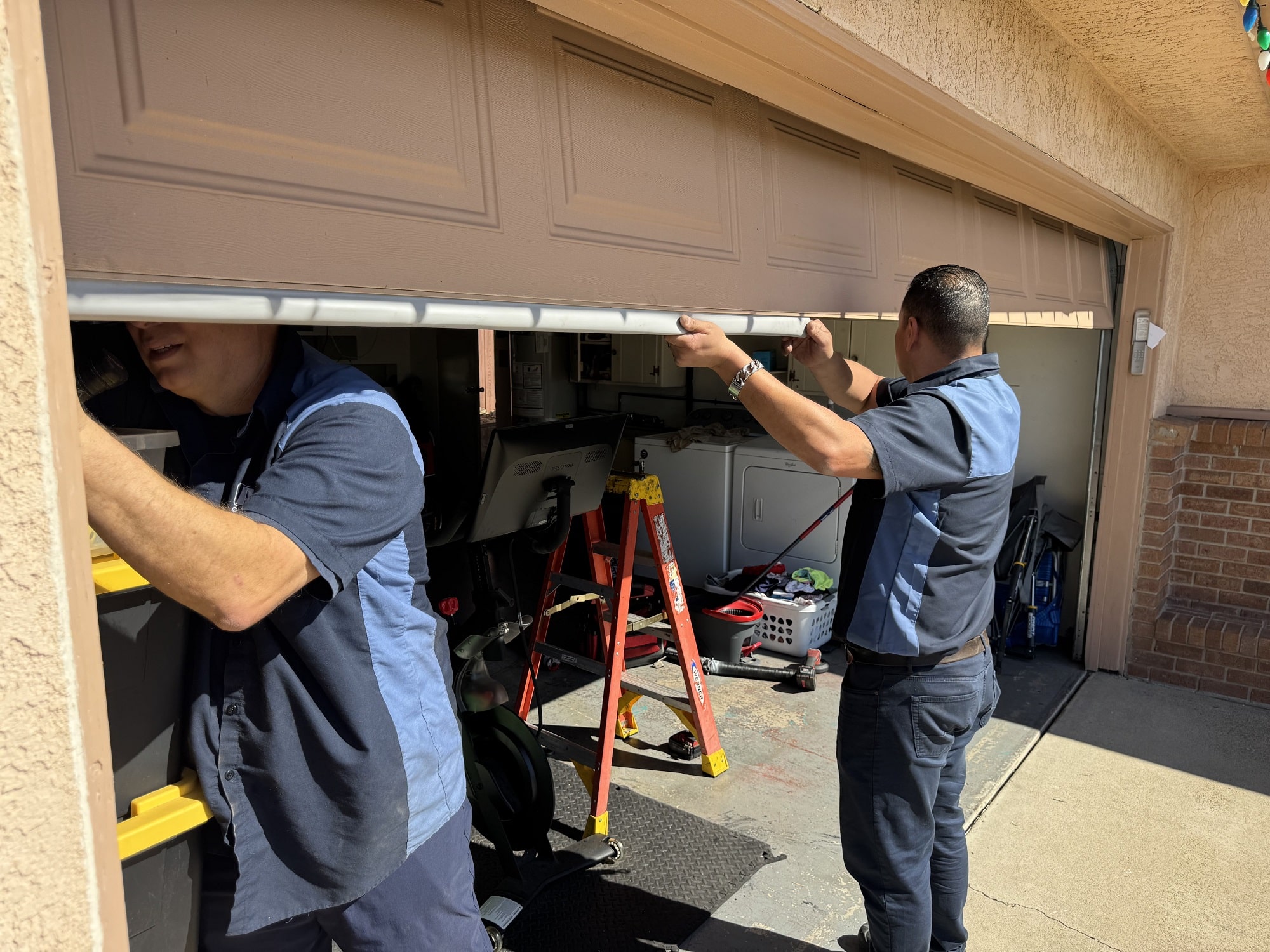
A garage door that will not close all the way is more than a minor inconvenience. It can affect home security, energy efficiency, and daily convenience. In San Diego, CA, this issue is one of the most common garage door service concerns, especially in coastal and high-wind areas where dust, debris, and salt air accelerate wear on mechanical components. The same operational problems can also impact businesses, where prompt commercial garage door repair is essential to maintain safety, security, and daily operations.
Modern garage door systems are designed with built-in safety mechanisms. When a door stops short, reverses before touching the ground, or leaves a visible gap, the system is responding to a mechanical, electrical, or alignment issue. Understanding the most common causes helps homeowners and property managers take safe next steps while avoiding unnecessary risk.
Misaligned or Dirty Safety Sensors
Safety sensors are one of the leading reasons a garage door will not close completely.
Most modern garage door openers use photo-eye sensors installed a few inches above the ground on each side of the opening. These sensors create an invisible beam across the doorway. If that beam is interrupted, the door automatically reverses to prevent injury or damage.
In San Diego, wind-blown sand, coastal salt residue, and dust buildup commonly interfere with sensor performance.
Signs of Sensor Problems
- The door starts to close and then reverses
- Blinking or flickering sensor lights
- The door only closes when the wall button is held down
- No visible obstruction, but the door will not stay shut
Safe Next Steps
- Gently wipe both sensor lenses with a clean cloth
- Ensure both sensors face each other directly
- Remove debris near the base of the tracks
If wiring appears loose or the sensor housing is damaged, professional garage door repair is recommended. Sensor replacement or rewiring is typically considered a minor service.
For a more detailed breakdown of causes and expert guidance, read the full blog “Why Won’t My Garage Door Close All the Way?” to better understand what may be happening with your system.
Obstructed or Bent Garage Door Tracks
Garage door tracks guide the rollers as the door moves up and down. When tracks are blocked or bent, the door may stop before reaching the ground.
In many San Diego neighborhoods, small rocks, dried leaves, or debris can settle inside the tracks. Coastal corrosion may also weaken track integrity over time.
Common Causes of Track Issues
- Minor vehicle impact
- Loose mounting brackets
- Rust in coastal areas
- Normal wear and tear
Warning Signs
- Grinding or scraping noises
- Uneven closing
- Shaking during operation
- Visible gaps between rollers and track
A visual inspection is safe. However, bending tracks back into place without proper tools is not recommended. Track repairs can range from moderate adjustments to partial replacements, depending on damage severity.
For additional insight into related safety behaviors, explore the blog “What Causes a Garage Door to Reverse Before Closing?” for a deeper expert explanation.
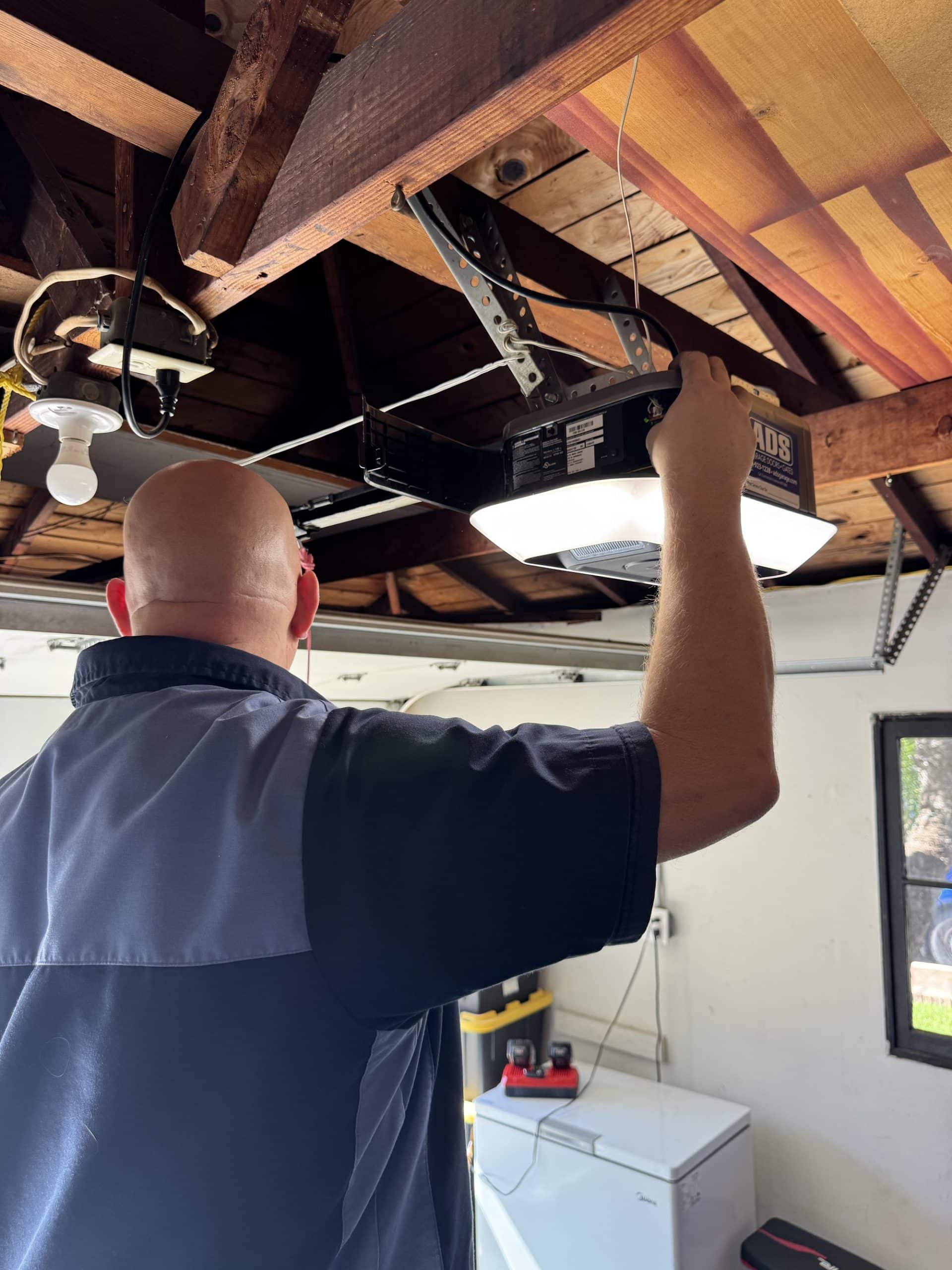
Incorrect Garage Door Opener Limit Settings
Garage door openers include travel limit settings that control how far the door moves during operation. If these settings shift, the door may stop before fully closing or reverse after touching the ground.
This issue often occurs after:
- Power outages
- Electrical surges
- Opener installation
- Accidental adjustments
San Diego homes occasionally experience power fluctuations during peak summer energy demand, which may reset opener settings.
Symptoms
- Door stops several inches above the floor
- The door touches the ground and immediately reverses
- No physical obstruction present
Improper adjustment of force or limit settings can strain the opener motor or damage the door seal. Professional calibration ensures safe and accurate operation.
For a focused explanation on sensor-related issues, read the blog “Can Misaligned Sensors Stop a Garage Door From Closing?” to better understand how alignment affects safe operation.
Worn or Broken Garage Door Springs
Garage door springs carry the full weight of the door. If a torsion spring or extension spring weakens or breaks, the door may fail to close properly.
Coastal environments like San Diego can shorten spring lifespan due to corrosion from salt air.
Warning Signs of Spring Damage
- Loud snapping noise inside the garage
- The door feels heavier than usual
- The door closes too quickly
- Visible gap in the torsion spring
- Crooked closing motion
Spring systems operate under extreme tension and should never be handled without professional training. Spring replacement is classified as a major repair and requires specialized tools.
Worn or Damaged Rollers
Rollers allow the door to move smoothly along the tracks. When rollers wear out, crack, or lose lubrication, the door may bind and stop before sealing fully.
San Diego’s dry conditions, combined with dust accumulation, accelerate roller wear.
Signs of Roller Problems
- Squeaking or rattling
- Jerky movement during closing
- The door appears slightly misaligned
- Increased vibration
Routine garage door maintenance, including lubrication and annual inspections, helps extend roller lifespan.
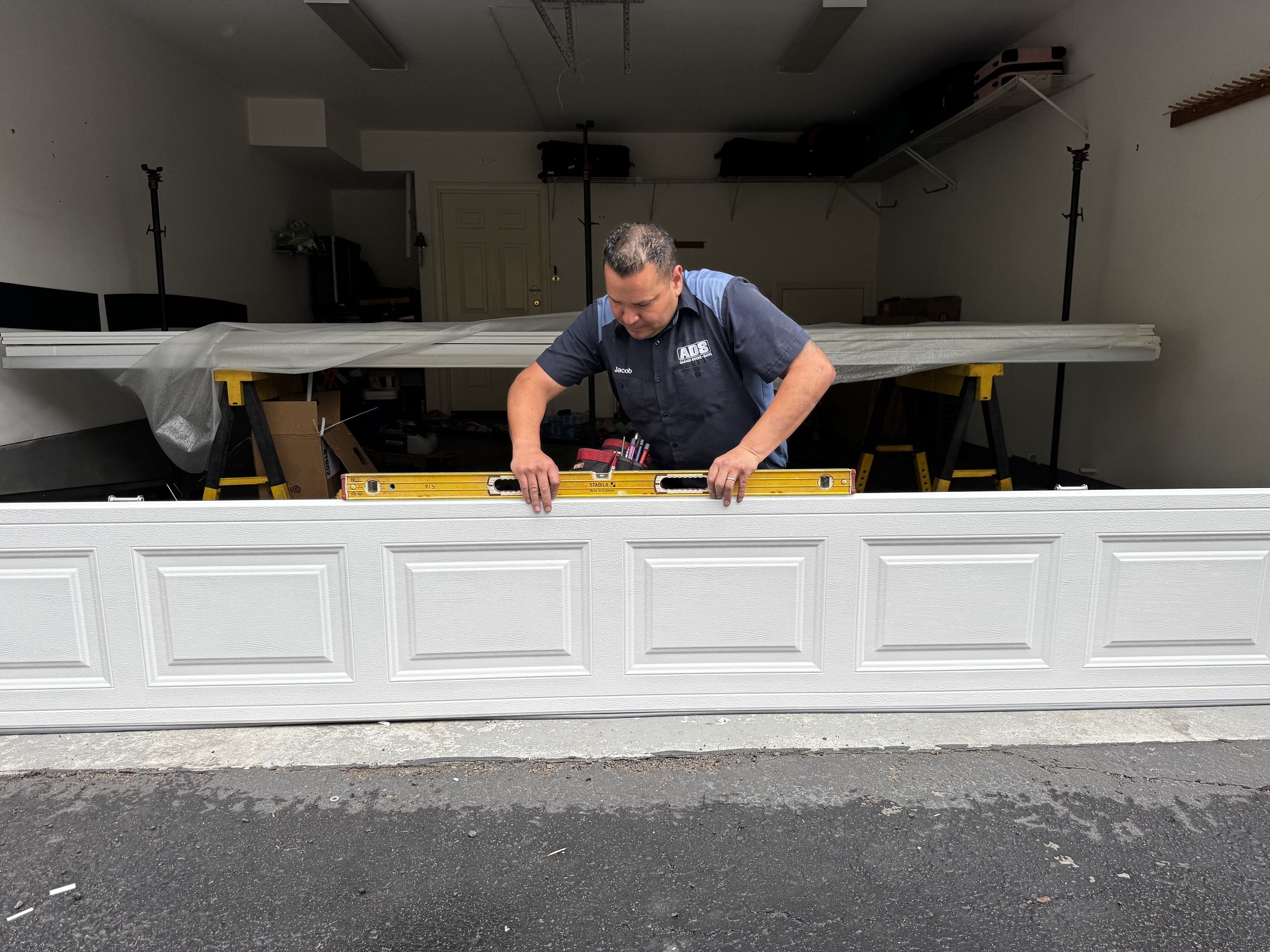
Garage Door Cable Issues
Garage door cables work together with springs to control balanced movement. If a cable frays or slips off its drum, the door may close unevenly or stop mid-cycle.
Signs of Cable Problems
- The door appears slanted
- Loose or hanging cable
- Door jams during operation
- Uneven tension on one side
Cable systems are high-tension components and should only be repaired by trained professionals. Attempting cable adjustments without proper equipment can cause serious injury.
Weather Seal or Garage Floor Issues
Sometimes the cause is simpler than expected.
The rubber bottom seal, also known as weather stripping, may catch on uneven concrete or hardened debris. In San Diego, minor slab shifting or soil movement can create slight floor variations.
What to Check
- Small objects beneath the door
- Cracks or raised sections in the concrete
- Hardened or brittle weather stripping
- Light is visible under one side
Replacing a worn weather seal is typically a minor service and improves insulation and pest control.
Aging or Failing Garage Door Opener Motor
An aging opener motor may struggle to generate enough force to close the door fully. This applies not only to residential systems but also to heavier applications such as a commercial roll-up door, where consistent motor performance is critical for daily business operations.
Warning Signs of Opener Failure
- Humming without movement
- Inconsistent closing behavior
- Overheating motor unit
- Burning odor near the opener
Most garage door openers last approximately 10 to 15 years. If repeated issues occur, system replacement may improve safety, operational efficiency, and long-term reliability.
How to Prevent Garage Door Closing Problems
Preventive garage door maintenance significantly reduces the risk of sudden malfunction for both residential systems and any commercial overhead door used in business facilities.
Recommended steps for San Diego homeowners include:
- Schedule annual garage door inspections
- Lubricate moving components regularly
- Keep tracks clean and clear
- Test safety sensors monthly
- Address unusual noises immediately
- Inspect hardware for rust in coastal areas
Homes and commercial properties closer to the coast may require more frequent maintenance due to increased exposure to salt air, which can accelerate corrosion and mechanical wear.
When to Call a Garage Door Professional in San Diego, CA
Professional garage door service is recommended if:
- The door closes unevenly
- Spring or cable damage is suspected
- The door slams shut
- The opener motor smells burnt
- The system behaves unpredictably
- The door will not close at all
Garage doors are heavy mechanical systems with high-tension components. Complex repairs should always be handled by trained technicians to ensure safety and proper alignment. In some cases, especially for aging or severely damaged systems, commercial garage door installation may be the safer and more cost-effective long-term solution for business properties requiring reliable daily operation.
Protecting Your Garage Door from Costly Repairs in San Diego
A garage door that will not close all the way is typically a warning sign of an underlying mechanical or electrical issue. What begins as a small inconvenience can develop into a larger failure if ignored.
In San Diego, environmental factors such as salt air, dust, and temperature fluctuations contribute to accelerated wear on springs, rollers, and tracks. Routine maintenance and early attention to warning signs protect both property and safety.
A properly functioning garage door supports home security, improves energy efficiency, and ensures smooth daily operation. Prompt inspection and professional service when necessary help prevent more serious and costly repairs in the future.
Trusted Garage Door Repair Services in San Diego, CA
For homeowners seeking dependable, professional support, ADS Garage Doors and Gates Repair provides experienced garage door diagnostics, repairs, and preventive maintenance throughout San Diego, CA. Skilled technicians focus on safety, long-term performance, and transparent service recommendations. Contact us today or give us a call to keep your garage door operating smoothly and securely.