
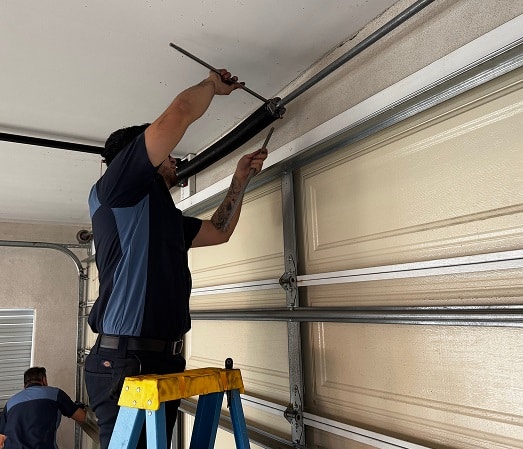
Garage door squeaking is one of the most common noise issues homeowners notice during daily garage door use. The sound often develops when moving parts such as rollers, hinges, or springs begin to lose lubrication or show signs of wear.
In many cases, simple maintenance can reduce the noise and restore smoother door movement. However, persistent squeaks may signal the need for garage door repair to prevent costly mechanical problems and keep the system working efficiently.
When Does Garage Door Squeaking Usually Start?
Garage door squeaking often occurs during regular opening and closing cycles when friction develops between moving parts or environmental conditions begin to affect metal components in the system.
Situations where homeowners commonly notice the noise include:
- Garage door squeaking when opening after long periods of inactivity.
- Noise develops during the first morning cycle when metal components contract overnight.
- Squeaks appear near rollers or hinges as the door travels along the track.
- Sound increases over time as lubrication gradually wears away.
- Intermittent squeaks during the door’s movement are becoming more noticeable over time.
To learn why these noises commonly develop in local homes, read our guide on Why Is My Garage Door Squeaking in San Diego?, which explains the environmental and mechanical factors that often lead to persistent garage door squeaking.
Common Causes of Garage Door Squeaks
Several mechanical and environmental factors can create friction within the system, leading to squeaking in the garage door during normal operation.
Common causes of garage door squeaking include:
- Dry rollers and bearings that lose lubrication over time, increasing friction around garage door rollers and ball bearings during movement
- Hinges and pivot points are gradually wearing down as metal components rub together during repeated opening and closing cycles
- Loose hardware and brackets are developing from constant vibration as bolts and fasteners slowly shift out of position
- Dust or debris accumulating along the tracks and track walls, which interferes with smooth roller movement
- Environmental conditions, such as high humidity or temperature changes, affect metal parts and increase friction
Recognizing these common causes helps homeowners address garage door squeaking early and maintain smoother, quieter operation.
Steps on How to Fix Squeaking Garage Door
Step 1: Inspect Rollers and Hinges for Friction
Friction around rollers and hinges is one of the earliest sources of garage door squeaking, especially after repeated door cycles gradually reduce lubrication and allow hardware to loosen.
Indicators that friction may be developing include:
- Roller movement sounds rough as garage door rollers travel along the track walls.
- Hinges between panels are shifting slightly due to loose hinges or worn fasteners.
- Metal rollers produce louder sounds than nylon rollers as they contact the track.
- Roller assemblies showing wear around ball bearings that support smooth rotation.
- Small vibrations are forming near connecting brackets as garage door parts begin to loosen.
According to Clopay, squeaking and creaking noises often develop when rollers, hinges, or other moving parts lose lubrication or begin to wear, making regular inspection important for reducing garage door squeaking and maintaining smooth operation.
Step 2: Apply Lubrication to Moving Hardware
Friction between moving parts is one of the most common causes of garage door squeaking, which is why proper lubrication helps restore quieter operation and improve long-term maintenance.
Key hardware areas that benefit from lubrication include:
- Garage door springs and extension springs experience constant tension during operation.
- Rotating pivot points along hinges and support brackets that guide the door panels.
- Internal ball bearings inside rollers that allow a smooth rolling motion.
- Contact areas around bearing plates supporting torsion systems.
- Hinges and metal components connecting the garage door panels.
To identify where to apply lubrication to reduce friction and quiet the system, read our guide on Where to Lubricate a Squeaking Garage Door, which explains the key hardware areas that benefit most from proper lubrication.
Step 3: Tighten Loose Hardware and Fasteners
Repeated garage door operation creates constant vibration that can gradually loosen bolts, brackets, and fasteners, allowing components to shift slightly and increase friction within the system.
Hardware points that should be checked periodically include:
- Fasteners that secure hinges connecting multiple garage door components.
- Bolts anchoring the track assembly to the wall structure.
- Mounting hardware supporting the garage door opener mechanism.
- Support brackets are attached near bearing plates and roller brackets.
- Structural bolts that keep the door panels aligned during operation.
Loose brackets and fasteners often create vibration that spreads through the system, which is why consistent garage door maintenance helps keep hardware aligned and prevents recurring noise issues.
Step 4: Clean Dust and Debris From Tracks
Dust, dirt, and debris inside the track channel can disrupt roller movement and increase friction along the track walls, often contributing to noise during garage door opening and closing cycles.
Cleaning the track system may involve:
- Wiping track surfaces with a damp cloth to remove dirt and residue.
- Removing debris lodged along the track walls where rollers travel.
- Inspecting each part of the track for buildup affecting roller motion.
- Clearing cobwebs or dust near hinges and brackets.
- Ensuring the track channel remains free of obstructions.
Clopay recommends inspecting rollers and hinges and cleaning off stubborn grime or old lubricant with a cloth and automotive brake cleaner before applying fresh lubricant to help maintain smoother garage door movement.
Step 5: Check for Worn or Damaged Parts
Ongoing garage door squeaking can indicate worn components that no longer move smoothly, suggesting that certain parts may need repair or replacement to restore consistent operation.
Common wear points that deserve attention include:
- Aging garage door rollers that no longer rotate smoothly.
- Hinges showing excessive play around connection points.
- Steel rollers with worn internal roller bearings.
- Springs are experiencing reduced tension due to years of use.
- Support hardware near torsion systems exposed to high tension forces.
To learn which garage door components commonly create squeaking noises, read our guide on What Parts Cause a Garage Door to Squeak?, which explains the parts that often produce friction during operation.
Signs Your Door May Need Garage Door Squeak Repair
Certain warning signs suggest that ongoing garage door squeaking may no longer be a simple maintenance issue and could require professional repair.
Warning signs to watch for include:
- Persistent squeaking that continues even after lubrication is applied to rollers, hinges, or springs
- Grinding or scraping sounds that may indicate worn bearings, damaged rollers, or track alignment issues
- Uneven movement where the door tilts, jerks, or struggles during opening and closing cycles
- Increased vibration or rattling as loose hardware or worn components shift during operation
- Noise that gradually becomes louder over time as friction affects multiple garage door parts
Recognizing these signs early helps reduce further wear on the system and lowers the risk of more expensive repairs later.
Preventive Maintenance Tips to Reduce Garage Door Squeaking
Consistent garage door maintenance helps minimize friction between moving parts and prevent squeaking during daily operation.
Maintenance practices that help reduce noise include:
- Applying regular lubrication to rollers, hinges, springs, and other moving garage door components
- Performing regular checks on bolts, brackets, and fasteners to prevent vibration and loose hardware
- Keeping garage door rollers and track walls clean to prevent debris from interfering with smooth movement
- Monitoring spring tension and roller condition to detect early wear before noise increases
- Scheduling professional inspection and basic maintenance to keep the system operating efficiently
Routine lubrication and periodic inspections help reduce hardware wear and maintain smoother operation, lowering the likelihood of issues that may eventually require garage door replacement.
Stop Garage Door Squeaking and Restore Smooth Operation
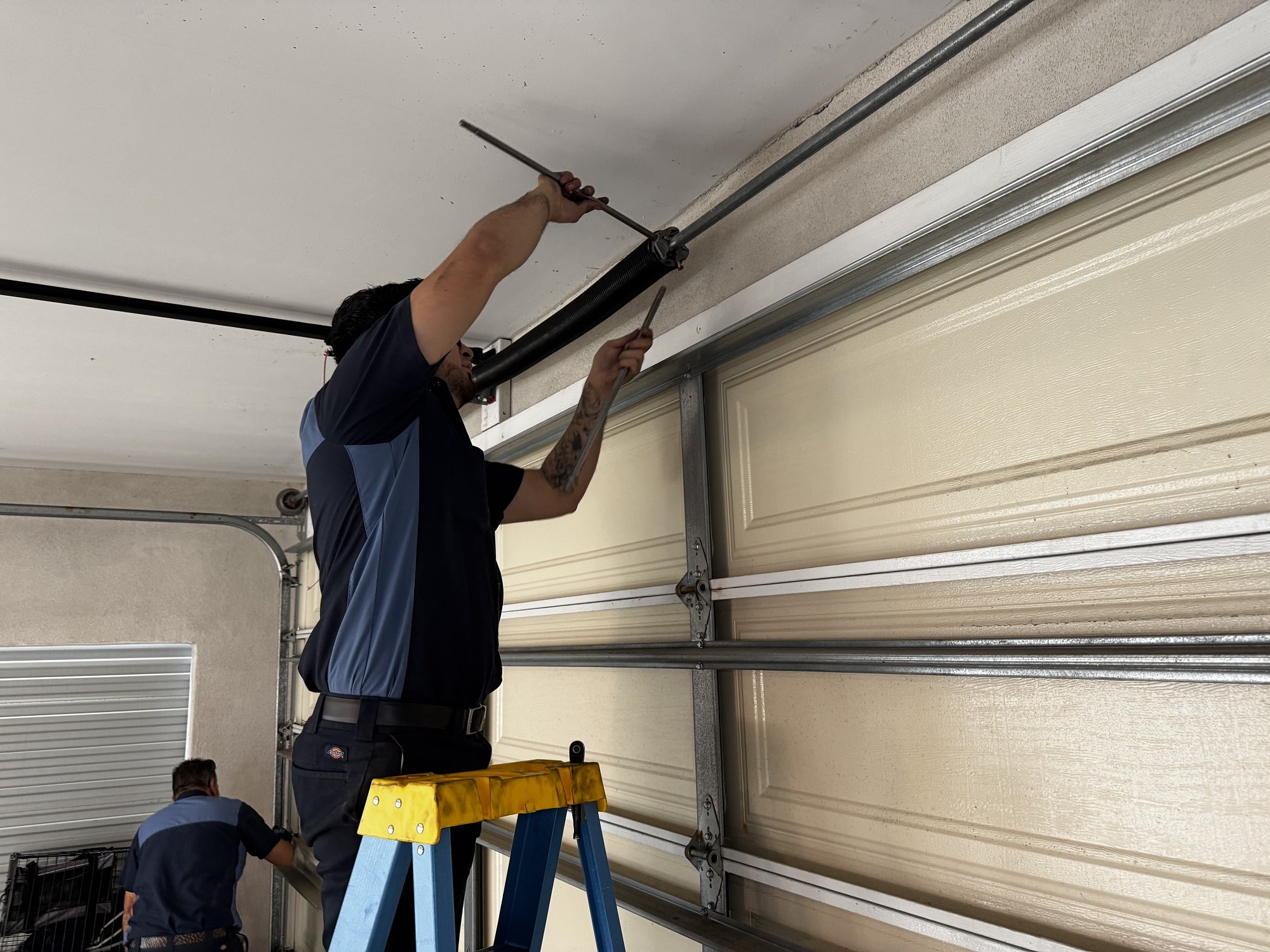
Addressing a garage door squeak early helps maintain smooth operation and prevents unnecessary strain on moving parts. Regular lubrication, cleaning, and routine inspections can significantly reduce noise while supporting long-term garage door performance.
ADS Garage Doors & Gates provides professional garage door repair and maintenance services for homeowners across San Diego, CA. Our team can diagnose squeaking issues, inspect garage door components, and restore quiet operation, so contact us or give us a call today to schedule service for your home.