
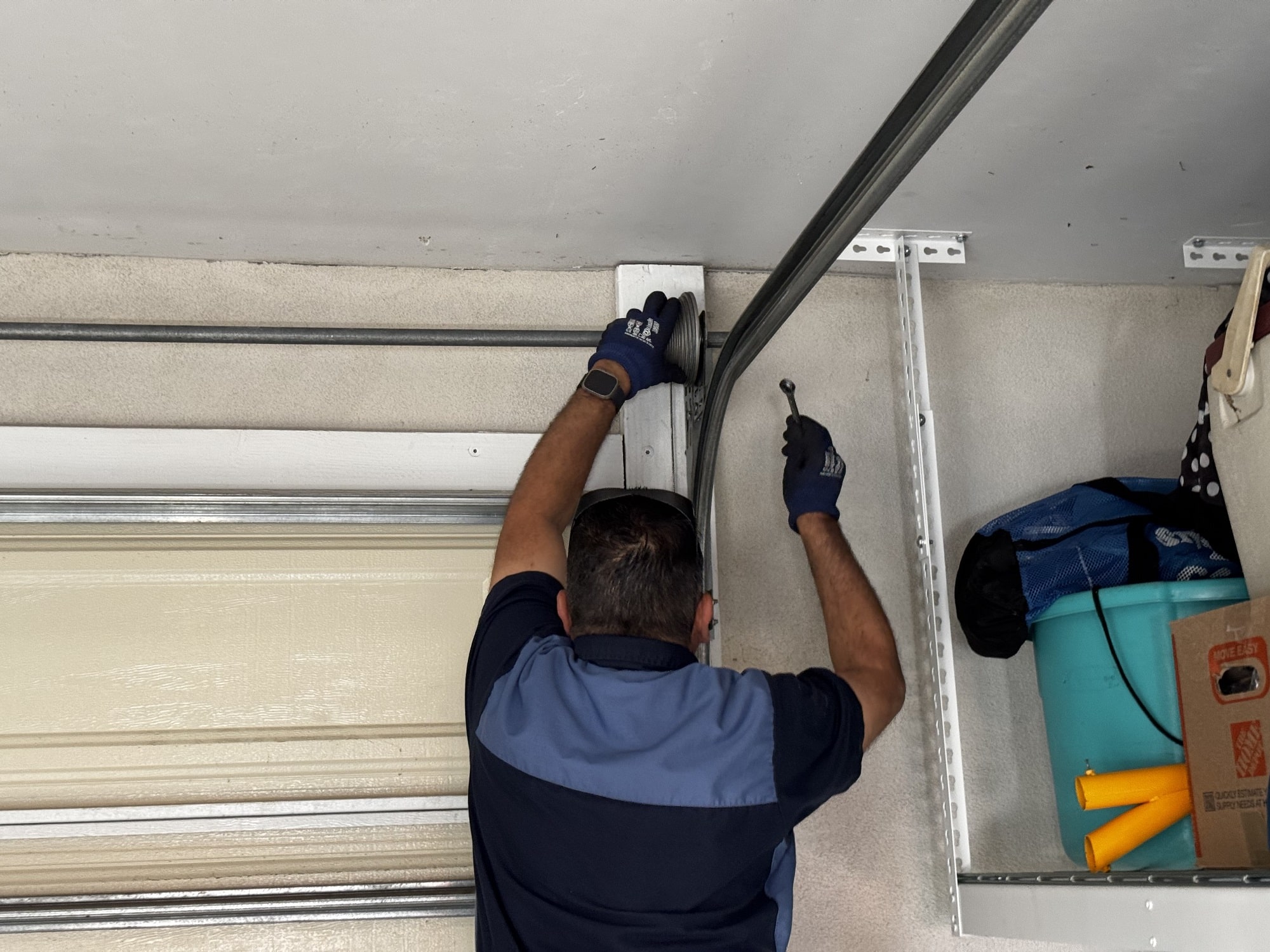
A garage door that won’t close all the way is one of the most common service calls in San Diego, CA. This applies to both residential systems and properties that require commercial garage door repair, where daily use places even more strain on components. In many cases, the problem is not the door itself but a safety feature, minor misalignment, or wear caused by coastal conditions.
If a garage door starts going down and then reverses, stops a few inches above the ground, or closes unevenly, something is interfering with the system. Modern garage doors are designed to stop or reverse when they detect resistance. This protects people, pets, vehicles, and property.
In San Diego homes and commercial buildings, salt air, dust, temperature swings, and sun exposure can all affect garage door components over time. Below are the most common reasons a garage door won’t close all the way, what to check safely, and when professional garage door repair may be necessary.
Misaligned or Blocked Safety Sensors
The most common reason a garage door won’t close all the way is a sensor issue.
How Safety Sensors Work
Modern garage door openers use photo-eye sensors installed near the bottom of the tracks. These sensors send an invisible beam across the doorway. If something blocks that beam, the door will stop and reverse automatically.
Common Problems in San Diego Homes
- Dust and dirt buildup
- Spider webs
- Sun glare during late afternoon
- Slight sensor misalignment
- Loose wiring
Homes facing west in San Diego often experience direct sunlight that interferes with sensor signals.
What to Check
- Are the small LED lights on both sensors solid or blinking?
- Is there dirt on the lenses?
- Are the sensors pointing directly at each other?
A gentle wipe with a soft cloth can solve minor issues. If the lights continue blinking after cleaning, alignment may be off.
Average Repair Range
Minor sensor realignment is usually a small service visit. Full sensor replacement is still considered an affordable repair compared to larger garage door issues.
For a deeper understanding of what may be causing the issue and the safest steps to take next, read Why Your Garage Door Won’t Close All the Way (Common Causes and Safe Next Steps).
Something Is Blocking the Garage Door Tracks
Garage door tracks guide the rollers as the door moves up and down. Even small obstructions can prevent full closure.
Common Track Problems
- Small rocks or debris
- Rust flakes from coastal corrosion
- Bent or misaligned tracks
- Loose mounting brackets
San Diego’s coastal air can accelerate rust, especially in homes near the ocean.
Warning Signs
- Grinding noise
- Shaking during movement
- Uneven closing
- Door stopping midway
What to Check Safely
Perform a visual inspection only. Do not attempt to bend tracks back into place. Track misalignment requires proper tools and experience to avoid further damage.
To better understand why this happens, read What Causes a Garage Door to Reverse Before Closing? for a detailed breakdown of the most common triggers.
The Close Limit Setting Is Incorrect
If the garage door touches the ground and then reverses, the close limit setting may need adjustment.
What Is a Limit Switch?
The limit switch tells the garage door opener how far the door should travel before stopping. If it is set too high, the door may think it hit an object and reverse.
Signs of a Limit Setting Issue
- Door stops a few inches above the ground
- The door closes fully, then immediately reverses
- No visible obstruction
Power surges or small adjustments over time can shift this setting.
Safe Next Step
Minor adjustments can correct the issue, but random turning of adjustment screws can make the problem worse. If unsure, a professional garage door technician can recalibrate it quickly.
For more insight into sensor-related issues, read Can Misaligned Sensors Stop a Garage Door From Closing? to understand how small alignment problems can prevent proper operation.
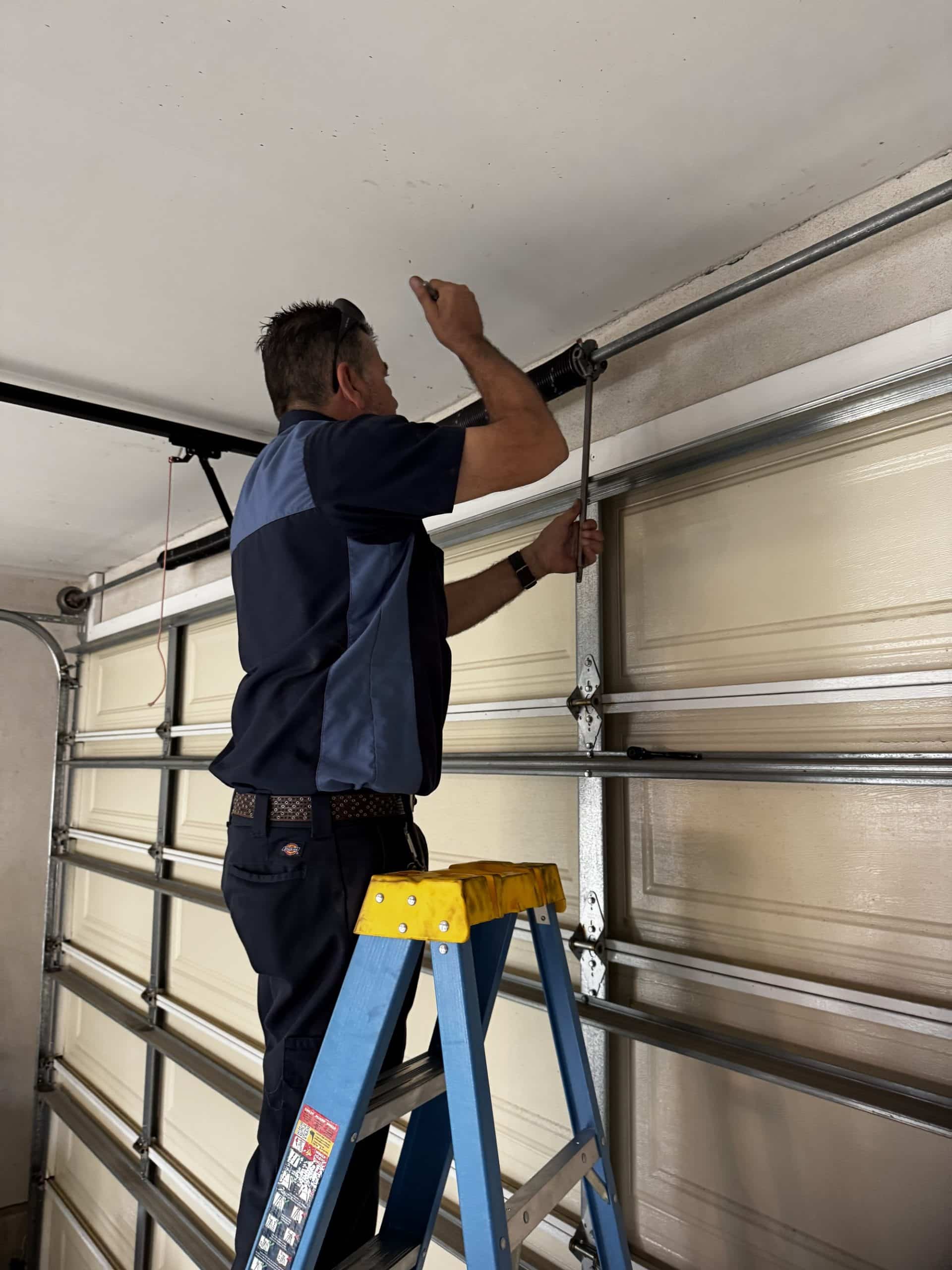
Worn or Broken Garage Door Springs
Garage door springs carry most of the door’s weight. When they weaken or break, the opener struggles to close the door properly.
Types of Springs
- Torsion springs (mounted above the door)
- Extension springs (mounted along the sides)
Warning Signs of Spring Issues
- Loud snapping sound
- Crooked or uneven closing
- The door feels unusually heavy
- Door slams shut
Important Safety Note
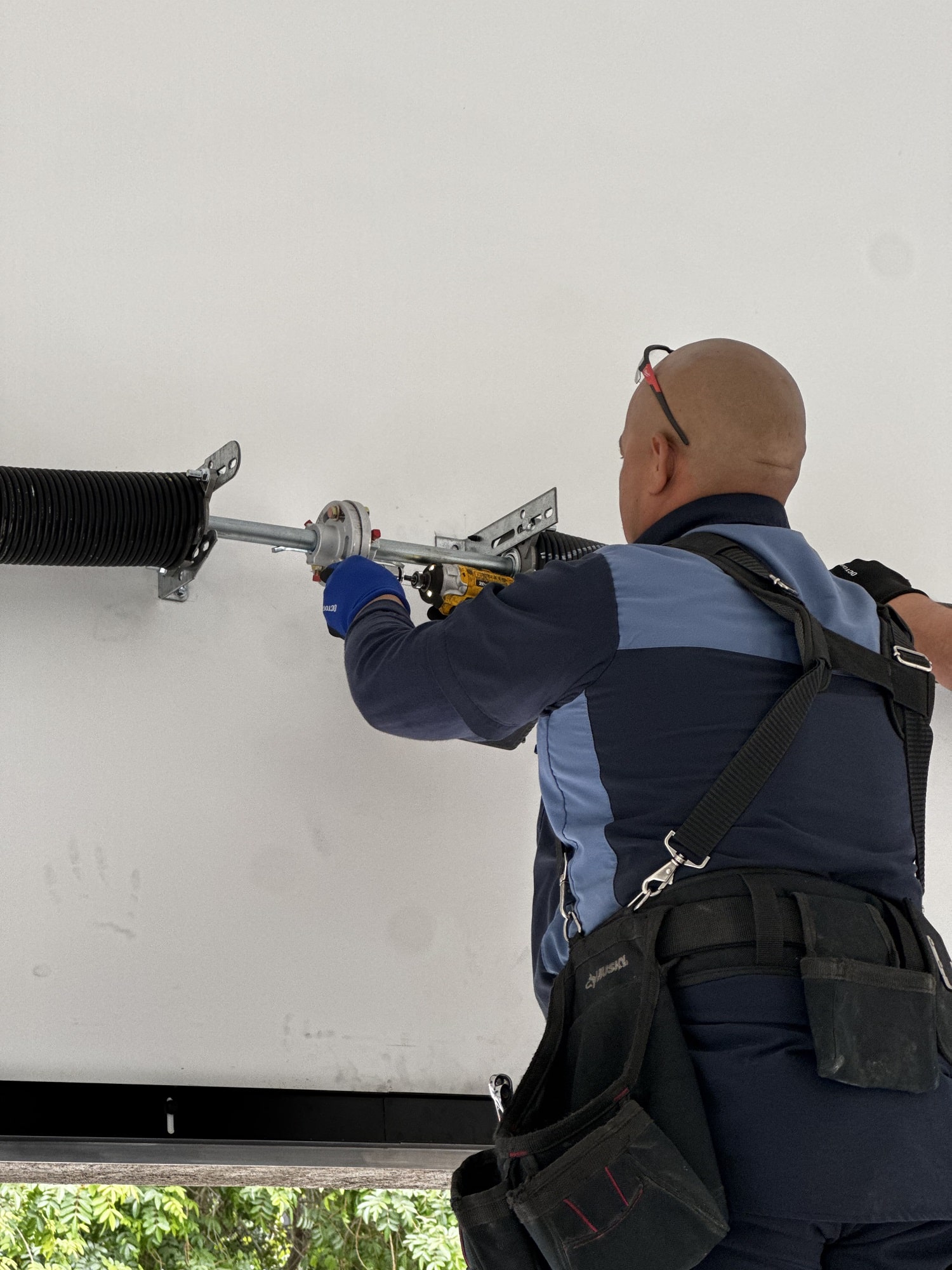
Spring repair is dangerous. Springs are under extreme tension and can cause serious injury. This is not a DIY repair.
Average Replacement Range
Spring replacement is a moderate repair, depending on door size and type. Replacing both springs at the same time is common to maintain balance.
Opener Force Setting Is Too Low
The garage door opener includes a force setting that controls how much pressure is used when closing.
Why This Happens in San Diego
- Cooler evening temperatures
- Aging motor
- Increased door weight due to moisture
- Resistance from rusted components
If the opener senses too much resistance, it stops and reverses.
Signs of Low Force Setting
- The door stops halfway
- Humming motor sound
- Repeated reversing
A trained technician can determine whether the force needs adjustment or if the opener motor is beginning to fail.
Warped or Damaged Garage Door Panels
Panel damage can cause uneven closing.
Coastal Impact on Garage Doors
San Diego homes near the coast often experience:
- Wood swelling
- Metal corrosion
- Warping from sun exposure
What to Look For
- Visible panel cracks
- Gaps at the bottom of the door
- Uneven contact with the ground
- Worn bottom seal
If the door does not sit evenly on the ground, structural damage may be present.
Panel replacement is sometimes possible without replacing the entire door.
Remote or Wall Switch Signal Issues
Sometimes the issue is electrical rather than mechanical. This can affect residential systems as well as commercial roll-up door, especially in facilities where openers are used frequently throughout the day.
Possible Causes
- Weak remote battery
- Wall switch wiring issue
- Signal interference
- Failing circuit board
What to Check
- Replace remote batteries
- Test wall-mounted control
- Reset the opener system
If both controls fail to operate consistently, professional diagnosis may be required to inspect wiring connections, receiver boards, or internal opener components and ensure reliable operation.
Rust and Corrosion From Coastal Air
Salt air is one of the biggest hidden causes of garage door problems in San Diego. This issue affects residential systems as well as heavy-duty commercial overhead door systems used in warehouses, retail centers, and industrial buildings near the coast.
Components Most Affected
- Springs
- Cables
- Hinges
- Tracks
- Rollers
Corrosion increases friction, adds resistance, and shortens the lifespan of critical moving parts. Over time, this added strain can cause a door to stop before fully closing or operate unevenly.
Prevention Tips for Coastal Homes
- Lubricate moving parts every 3–6 months
- Schedule annual garage door maintenance
- Consider rust-resistant hardware
- Inspect cables for fraying
Homes and commercial properties within a few miles of the coast often require more frequent maintenance than inland properties due to higher salt exposure and humidity levels.
How to Prevent Garage Door Closing Problems in San Diego
Preventive garage door maintenance significantly reduces unexpected breakdowns. This applies to residential systems and properties that rely on commercial garage door installation, where high-cycle usage demands routine inspections and proper upkeep to maintain safe operation.
Monthly Checklist
- Clean safety sensors
- Inspect tracks for debris
- Listen for unusual noises
- Check the bottom seal condition
Seasonal Checklist
- Lubricate springs, rollers, and hinges
- Test door balance
- Check the weather stripping
- Tighten visible hardware
Annual Professional Inspection
A yearly inspection allows early detection of:
- Worn springs
- Motor strain
- Track misalignment
- Cable wear
- Corrosion damage
For businesses with heavy-duty doors, scheduling routine service after a commercial garage door installation helps extend system lifespan and reduce operational downtime. Preventive maintenance is typically much less costly than emergency repairs and supports safe, reliable performance year-round in San Diego’s coastal climate.
When to Call a Garage Door Professional in San Diego, CA
Professional garage door repair is recommended if:
- A spring is broken
- The door is off track
- The opener smells burnt
- The door slams shut
- The system behaves unpredictably
- The door closes unevenly
Garage doors can weigh between 150 and 300 pounds. High-tension components make certain repairs unsafe without proper tools and training.
Stay Ahead of Garage Door Problems
If a garage door won’t close all the way, the issue is often related to safety sensors, track obstructions, limit settings, or spring wear. In San Diego, coastal conditions can speed up component deterioration, making routine inspections especially important.
Addressing small problems early helps prevent larger repairs later. When high-tension parts or electrical components are involved, professional service ensures safety and long-term reliability.
A properly functioning garage door protects the home, improves security, and maintains daily convenience. Regular maintenance is the key to keeping it operating smoothly year-round in San Diego’s coastal climate.
For homeowners looking for dependable service, ADS Garage Doors and Gates Repair is known for delivering professional inspections, accurate diagnostics, and long-lasting garage door solutions throughout San Diego County. Our experienced technicians understand the impact of coastal conditions and provide reliable repairs designed to improve safety and performance. Contact us today or give us a call, and keep your garage door operating smoothly and securely.