
Why Won’t My Garage Door Close All the Way?
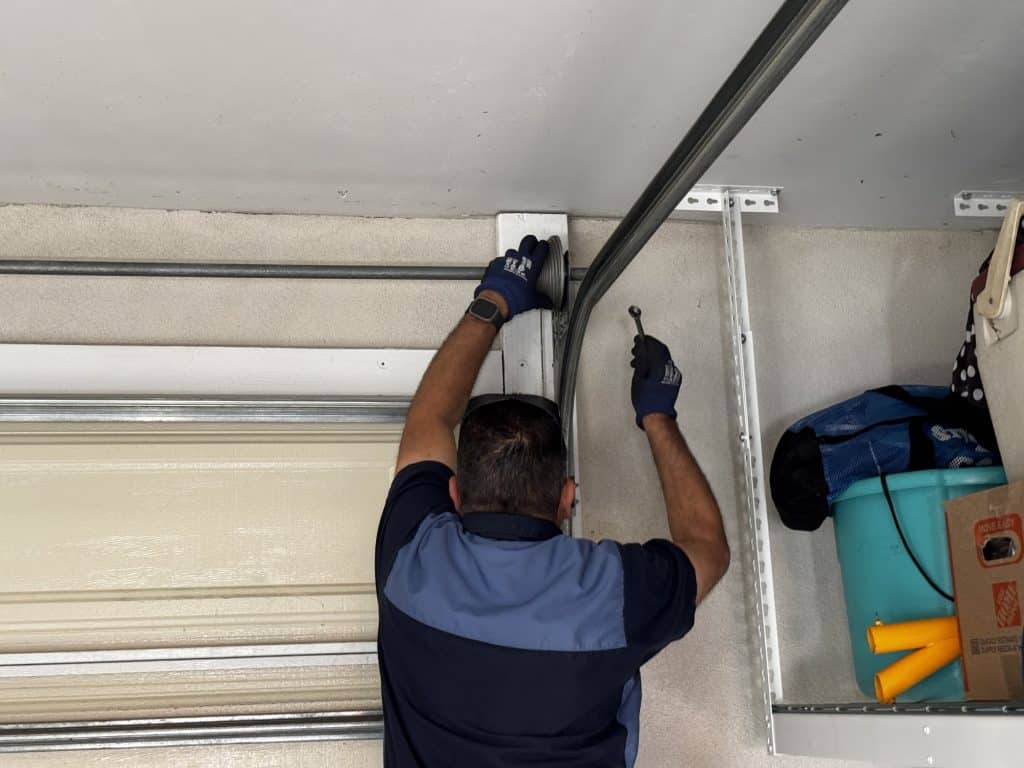
A garage door that won’t close all the way is one of the most common service calls in San Diego, CA. This applies to both residential systems and properties that require commercial garage door repair, where daily use places even more strain on components. In many cases, the problem is not the door itself but a safety feature, minor misalignment, or wear caused by coastal conditions. If a garage door starts going down and then reverses, stops a few inches above the ground, or closes unevenly, something is interfering with the system. Modern garage doors are designed to stop or reverse when they detect resistance. This protects people, pets, vehicles, and property. In San Diego homes and commercial buildings, salt air, dust, temperature swings, and sun exposure can all affect garage door components over time. Below are the most common reasons a garage door won’t close all the way, what to check safely, and when professional garage door repair may be necessary. Misaligned or Blocked Safety Sensors The most common reason a garage door won’t close all the way is a sensor issue. How Safety Sensors Work Modern garage door openers use photo-eye sensors installed near the bottom of the tracks. These sensors send an invisible beam across the doorway. If something blocks that beam, the door will stop and reverse automatically. Common Problems in San Diego Homes Dust and dirt buildup Spider webs Sun glare during late afternoon Slight sensor misalignment Loose wiring Homes facing west in San Diego often experience direct sunlight that interferes with sensor signals. What to Check Are the small LED lights on both sensors solid or blinking? Is there dirt on the lenses? Are the sensors pointing directly at each other? A gentle wipe with a soft cloth can solve minor issues. If the lights continue blinking after cleaning, alignment may be off. Average Repair Range Minor sensor realignment is usually a small service visit. Full sensor replacement is still considered an affordable repair compared to larger garage door issues. For a deeper understanding of what may be causing the issue and the safest steps to take next, read Why Your Garage Door Won’t Close All the Way (Common Causes and Safe Next Steps). Something Is Blocking the Garage Door Tracks Garage door tracks guide the rollers as the door moves up and down. Even small obstructions can prevent full closure. Common Track Problems Small rocks or debris Rust flakes from coastal corrosion Bent or misaligned tracks Loose mounting brackets San Diego’s coastal air can accelerate rust, especially in homes near the ocean. Warning Signs Grinding noise Shaking during movement Uneven closing Door stopping midway What to Check Safely Perform a visual inspection only. Do not attempt to bend tracks back into place. Track misalignment requires proper tools and experience to avoid further damage. To better understand why this happens, read What Causes a Garage Door to Reverse Before Closing? for a detailed breakdown of the most common triggers. The Close Limit Setting Is Incorrect If the garage door touches the ground and then reverses, the close limit setting may need adjustment. What Is a Limit Switch? The limit switch tells the garage door opener how far the door should travel before stopping. If it is set too high, the door may think it hit an object and reverse. Signs of a Limit Setting Issue Door stops a few inches above the ground The door closes fully, then immediately reverses No visible obstruction Power surges or small adjustments over time can shift this setting. Safe Next Step Minor adjustments can correct the issue, but random turning of adjustment screws can make the problem worse. If unsure, a professional garage door technician can recalibrate it quickly. For more insight into sensor-related issues, read Can Misaligned Sensors Stop a Garage Door From Closing? to understand how small alignment problems can prevent proper operation. Worn or Broken Garage Door Springs Garage door springs carry most of the door’s weight. When they weaken or break, the opener struggles to close the door properly. Types of Springs Torsion springs (mounted above the door) Extension springs (mounted along the sides) Warning Signs of Spring Issues Loud snapping sound Crooked or uneven closing The door feels unusually heavy Door slams shut Important Safety Note Spring repair is dangerous. Springs are under extreme tension and can cause serious injury. This is not a DIY repair. Average Replacement Range Spring replacement is a moderate repair, depending on door size and type. Replacing both springs at the same time is common to maintain balance. Opener Force Setting Is Too Low The garage door opener includes a force setting that controls how much pressure is used when closing. Why This Happens in San Diego Cooler evening temperatures Aging motor Increased door weight due to moisture Resistance from rusted components If the opener senses too much resistance, it stops and reverses. Signs of Low Force Setting The door stops halfway Humming motor sound Repeated reversing A trained technician can determine whether the force needs adjustment or if the opener motor is beginning to fail. Warped or Damaged Garage Door Panels Panel damage can cause uneven closing. Coastal Impact on Garage Doors San Diego homes near the coast often experience: Wood swelling Metal corrosion Warping from sun exposure What to Look For Visible panel cracks Gaps at the bottom of the door Uneven contact with the ground Worn bottom seal If the door does not sit evenly on the ground, structural damage may be present. Panel replacement is sometimes possible without replacing the entire door. Remote or Wall Switch Signal Issues Sometimes the issue is electrical rather than mechanical. This can affect residential systems as well as commercial roll-up door, especially in facilities where openers are used frequently throughout the day. Possible Causes Weak remote battery Wall switch wiring issue Signal interference Failing circuit board What to Check Replace remote batteries Test wall-mounted control Reset the opener system
Why Your Garage Door Won’t Close All the Way (Common Causes and Safe Next Steps)

A garage door that will not close all the way is more than a minor inconvenience. It can affect home security, energy efficiency, and daily convenience. In San Diego, CA, this issue is one of the most common garage door service concerns, especially in coastal and high-wind areas where dust, debris, and salt air accelerate wear on mechanical components. The same operational problems can also impact businesses, where prompt commercial garage door repair is essential to maintain safety, security, and daily operations. Modern garage door systems are designed with built-in safety mechanisms. When a door stops short, reverses before touching the ground, or leaves a visible gap, the system is responding to a mechanical, electrical, or alignment issue. Understanding the most common causes helps homeowners and property managers take safe next steps while avoiding unnecessary risk. Misaligned or Dirty Safety Sensors Safety sensors are one of the leading reasons a garage door will not close completely. Most modern garage door openers use photo-eye sensors installed a few inches above the ground on each side of the opening. These sensors create an invisible beam across the doorway. If that beam is interrupted, the door automatically reverses to prevent injury or damage. In San Diego, wind-blown sand, coastal salt residue, and dust buildup commonly interfere with sensor performance. Signs of Sensor Problems The door starts to close and then reverses Blinking or flickering sensor lights The door only closes when the wall button is held down No visible obstruction, but the door will not stay shut Safe Next Steps Gently wipe both sensor lenses with a clean cloth Ensure both sensors face each other directly Remove debris near the base of the tracks If wiring appears loose or the sensor housing is damaged, professional garage door repair is recommended. Sensor replacement or rewiring is typically considered a minor service. For a more detailed breakdown of causes and expert guidance, read the full blog “Why Won’t My Garage Door Close All the Way?” to better understand what may be happening with your system. Obstructed or Bent Garage Door Tracks Garage door tracks guide the rollers as the door moves up and down. When tracks are blocked or bent, the door may stop before reaching the ground. In many San Diego neighborhoods, small rocks, dried leaves, or debris can settle inside the tracks. Coastal corrosion may also weaken track integrity over time. Common Causes of Track Issues Minor vehicle impact Loose mounting brackets Rust in coastal areas Normal wear and tear Warning Signs Grinding or scraping noises Uneven closing Shaking during operation Visible gaps between rollers and track A visual inspection is safe. However, bending tracks back into place without proper tools is not recommended. Track repairs can range from moderate adjustments to partial replacements, depending on damage severity. For additional insight into related safety behaviors, explore the blog “What Causes a Garage Door to Reverse Before Closing?” for a deeper expert explanation. Incorrect Garage Door Opener Limit Settings Garage door openers include travel limit settings that control how far the door moves during operation. If these settings shift, the door may stop before fully closing or reverse after touching the ground. This issue often occurs after: Power outages Electrical surges Opener installation Accidental adjustments San Diego homes occasionally experience power fluctuations during peak summer energy demand, which may reset opener settings. Symptoms Door stops several inches above the floor The door touches the ground and immediately reverses No physical obstruction present Improper adjustment of force or limit settings can strain the opener motor or damage the door seal. Professional calibration ensures safe and accurate operation. For a focused explanation on sensor-related issues, read the blog “Can Misaligned Sensors Stop a Garage Door From Closing?” to better understand how alignment affects safe operation. Worn or Broken Garage Door Springs Garage door springs carry the full weight of the door. If a torsion spring or extension spring weakens or breaks, the door may fail to close properly. Coastal environments like San Diego can shorten spring lifespan due to corrosion from salt air. Warning Signs of Spring Damage Loud snapping noise inside the garage The door feels heavier than usual The door closes too quickly Visible gap in the torsion spring Crooked closing motion Spring systems operate under extreme tension and should never be handled without professional training. Spring replacement is classified as a major repair and requires specialized tools. Worn or Damaged Rollers Rollers allow the door to move smoothly along the tracks. When rollers wear out, crack, or lose lubrication, the door may bind and stop before sealing fully. San Diego’s dry conditions, combined with dust accumulation, accelerate roller wear. Signs of Roller Problems Squeaking or rattling Jerky movement during closing The door appears slightly misaligned Increased vibration Routine garage door maintenance, including lubrication and annual inspections, helps extend roller lifespan. Garage Door Cable Issues Garage door cables work together with springs to control balanced movement. If a cable frays or slips off its drum, the door may close unevenly or stop mid-cycle. Signs of Cable Problems The door appears slanted Loose or hanging cable Door jams during operation Uneven tension on one side Cable systems are high-tension components and should only be repaired by trained professionals. Attempting cable adjustments without proper equipment can cause serious injury. Weather Seal or Garage Floor Issues Sometimes the cause is simpler than expected. The rubber bottom seal, also known as weather stripping, may catch on uneven concrete or hardened debris. In San Diego, minor slab shifting or soil movement can create slight floor variations. What to Check Small objects beneath the door Cracks or raised sections in the concrete Hardened or brittle weather stripping Light is visible under one side Replacing a worn weather seal is typically a minor service and improves insulation and pest control. Aging or Failing Garage Door Opener Motor An aging opener motor may struggle to generate enough force to close the door fully. This applies not only to residential systems but
Can Misaligned Sensors Stop a Garage Door From Closing?
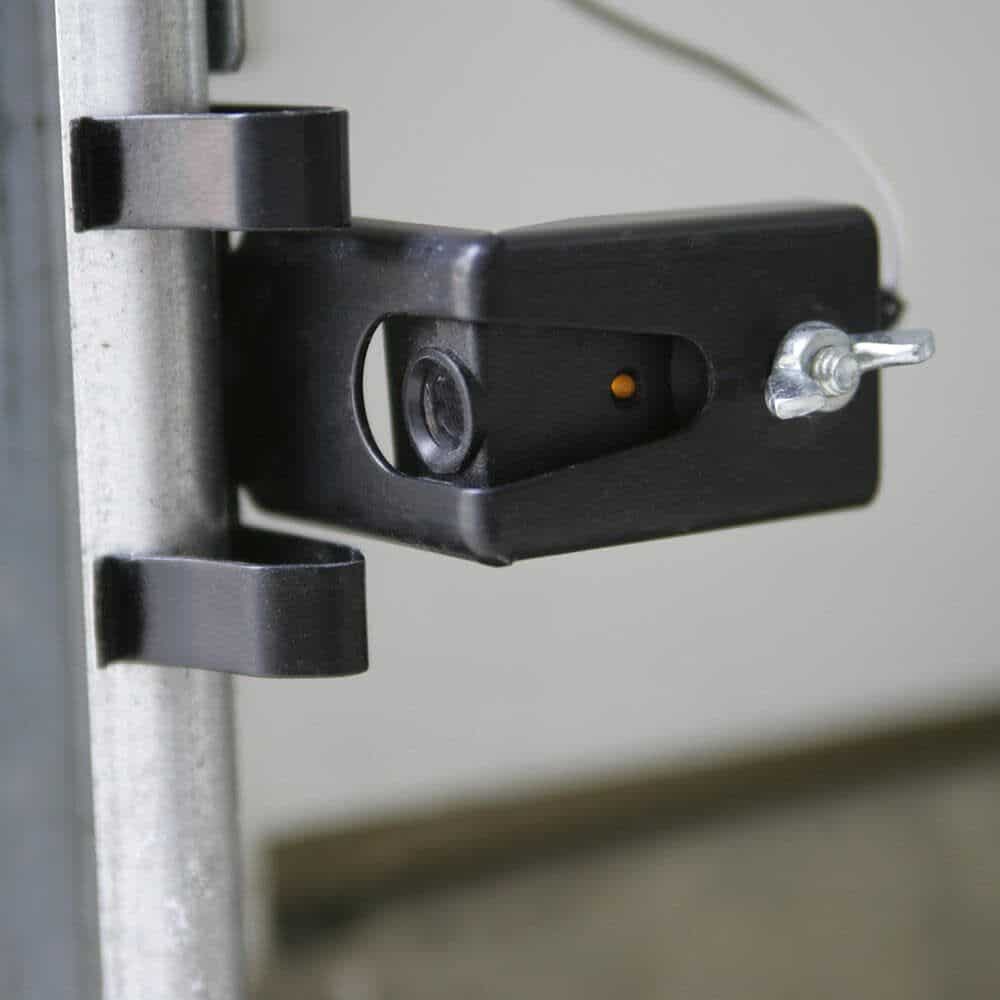
Yes, misaligned garage door safety sensors can absolutely stop a garage door from closing. In fact, it is one of the most common reasons a garage door won’t close all the way in San Diego homes. The same issue can also affect businesses that rely on safe and consistent operation, which is why sensor alignment is frequently addressed during commercial garage door repair services as well. Garage door safety sensors, also called photo eye sensors, are designed to prevent the door from closing if something is in its path. When these sensors are even slightly out of alignment, the system reads it as an obstruction. The result? The garage door reverses before closing or refuses to close at all. In coastal areas like San Diego, factors such as salt air corrosion, daily vibration, and even foundation movement can increase the chances of sensor misalignment. Understanding how these sensors work and what signs to look for can help homeowners and property managers prevent larger garage door problems. How Garage Door Safety Sensors Actually Work What Are Photo Eye Sensors? Garage door safety sensors are small devices mounted near the bottom of the garage door tracks, usually about six inches above the ground. One sensor sends an invisible infrared beam across the door opening, and the other sensor receives it. If that beam is interrupted, the garage door opener immediately stops closing and reverses direction. This safety feature protects children, pets, vehicles, and objects from being struck by a closing door. Why They Are Required by Law Since the early 1990s, federal safety regulations (UL 325 standards) have required all residential garage door openers to include an automatic reversal system. That includes properly functioning garage door safety sensors. If sensors are not aligned or not working correctly, the opener will not allow the door to close normally. What Happens When the Beam Is Blocked When the infrared beam does not connect properly: The garage door may start closing and then reverse. The opener light may blink repeatedly. One sensor light may flicker or turn off. The door may only close if the wall button is held down. During service calls throughout San Diego, misaligned sensors are often discovered after homeowners assume the opener motor is failing. In many cases, the issue is much simpler. For a deeper look at other possible causes, read Why Your Garage Door Won’t Close All the Way (Common Causes and Safe Next Steps) to better understand what may be happening with your system. Yes, Misaligned Sensors Can Stop Your Garage Door From Closing The Simple Explanation If the two sensors are not facing each other directly, the infrared beam cannot connect. Even a slight tilt or shift can break that connection. When that happens, the opener assumes something is blocking the door. The system will not allow the garage door to close as a safety precaution. Common Symptoms of Sensor Misalignment Homeowners in San Diego frequently report: The garage door won’t close all the way The garage door reverses before touching the ground One sensor light is blinking The door closes only when holding the wall button Opener light flashing multiple times These are classic signs of garage door safety sensor misalignment. Why This Is Common in San Diego Homes San Diego’s environment creates unique challenges: Coastal salt air causes corrosion on brackets and screws. Daily vibration loosens mounting hardware. Minor seismic activity can slightly shift tracks. Bright sunlight can interfere with older photo eye sensors. Even well-maintained garage doors can develop alignment issues over time. For more insight into related causes and troubleshooting steps, explore Why Won’t My Garage Door Close All the Way? to better understand what may be affecting your system. 7 Signs Your Garage Door Sensors Are Misaligned Recognizing the warning signs early can prevent frustration and unnecessary wear on your garage door opener. 1. One Sensor Light Is Off Most sensors have LED indicator lights. Both should be solid. If one is completely off, alignment or wiring may be the issue. 2. LED Light Flickering A flickering light usually means the beam connection is weak or unstable. 3. Door Closes Partway Then Stops The system may detect a broken beam mid-cycle and reverse the door. 4. Door Reverses Before Touching the Ground This is one of the most common garage door troubleshooting complaints. 5. Clicking Sound From the Opener The opener may click as it attempts to engage, but stops due to sensor interruption. 6. Inconsistent Closing Behavior The door works sometimes, but not others. This often happens when vibration temporarily shifts a loose sensor bracket. 7. Sensors Appear Tilted or Loose If the sensor brackets look bent, crooked, or unstable, misalignment is likely. To learn more about related reversal issues, read What Causes a Garage Door to Reverse Before Closing? for a deeper explanation of why this happens and what it means for your system. What Causes Garage Door Sensors to Go Out of Alignment? Accidental Bumps Trash bins, bicycles, storage boxes, or even children playing can knock sensors out of position. Loose Mounting Brackets Over time, screws loosen due to vibration from daily garage door use. Track Shifting or Warping If the garage door track shifts slightly, it can change the angle of the mounted sensor. Corrosion From Coastal Air Homes closer to the ocean in San Diego are especially vulnerable. Salt exposure speeds up rust formation, weakening hardware. Sunlight Interference Bright Southern California sunlight can overwhelm older sensors, especially during certain times of day. What San Diego Homeowners Can Safely Check Before Calling a Professional There are a few safe checks homeowners can perform. However, electrical wiring or system bypassing should never be attempted. Check for Obstructions Remove dirt, leaves, or spider webs. Clear any stored items near the sensors. Look at the Sensor Lights Both lights should be solid. Blinking usually indicates misalignment. Inspect for Visible Damage Cracked lens Hanging wires Bent brackets Confirm Both Sensors Face Each Other From a safe distance, verify that both sensors