
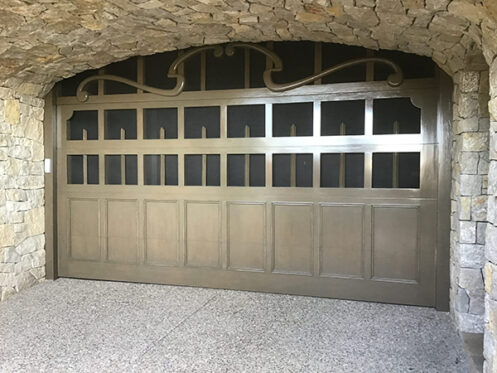
Temperatures in San Diego, CA will start to drop in the fall, with humidity levels rising a bit. Because of these seasonal changes, your garage door can benefit from some basic maintenance. This protects it from the elements while addressing wear and tear, so your garage door functions and holds up throughout the rest of the year. We here at ADS Automatic Door Specialists can help with professional garage door maintenance this fall.
Inspecting and Cleaning Tracks
Garage door tracks guide the rollers of your door so it can open and close smoothly and safely. These tracks commonly become coated with dust, dirt, pollen, and other debris because of their proximity to the outdoors. Tracks should be cleaned at least once per year to prevent any damage to moving parts.
Consider more frequent cleanings if you notice your tracks become dirty quickly. An inspection will spot any track damage that requires repair. It’s beneficial to avoid the use of chemical-based cleaning products on your garage door tracks. These products have the potential to corrode tracks, preventing the smooth transition of your door up or down.
Cleaning or Replacing Weatherstripping
There is usually weatherstripping around a garage door that helps keep moisture, insects, and wind from getting inside. Wiping down this weatherstripping allows it to look nice while protecting its integrity. It will be necessary to replace weatherstripping if it looks discolored or is beginning to crack. This product usually lasts approximately one to three years in areas with high exposure to the elements. Minimal exposure allows for a longer life expectancy, which is closer to 5 to 10 years.
Lubrication of Moving Parts
Garage door lubricants are used on rollers, springs, bearings, and hinges to reduce friction. These products also help prevent rust and ensure your garage door is quiet when in motion. It’s important that these components are not overly lubricated. Very greasy areas can attract dust and debris, creating quite a mess.
Testing Garage Door Sensors
Garage door openers utilize sensors to protect anything or anyone that is in the path of the door when in motion. Testing these sensors is simple. Placing an object in the path of the sensor and attempting to close the door should result in the opener automatically reversing the direction of your garage door.
Periodically clean these sensors so the photo-eye is working accurately. Because these sensors are in your garage and near the outside, it’s common for them to become dirty and covered in spiderwebs. If you have children playing nearby, they may knock your sensors out of position. This will prevent your safety sensors from working correctly.
Changing Garage Door Remote Batteries
All the remotes for your garage door should have their batteries replaced at least once per year. This reduces the risk of being locked out of your garage because of a fob malfunction. Check the signal strength of your remotes to ensure you don’t need to replace the fob because of poor connectivity.
Checking Garage Door Hardware
The various nuts, bolts, brackets, and connections of your garage door should be inspected and tightened each year. Overtightening isn’t recommended, as this can cause damage. If any fasteners or parts appear damaged or worn, they should be replaced.
Checking for Proper Levelness and Balance
When your garage door is in motion, it should appear to be level. You can check the balance by disconnecting your garage door opener and manually moving the door into different positions. The door should remain in its position without falling closed. While it may not seem like a big deal for a door to fall closed on its own, this imbalance can be damaging. It can cause stress for your garage door opener, cables, and springs.
Spotting Garage Door Problems
Fall maintenance provides the perfect opportunity to spot garage door problems that require professional attention. It’s also important that you look for these signs in between your routine appointments. Prompt attention ensures the protection of your home and family. Not to mention, you can avoid premature replacement of your garage door using maintenance and repairs.
Garage Door Doesn’t Fully Open or Close
A slight gap underneath your garage door when it’s in the closed position or not being able to fully open usually indicates a problem with the springs. Other sources of the problem can include lift cable damage or bent tracks.
Abnormal Noises
Your garage door should move relatively quietly without any grinding, screeching, or squeaking sounds. If you notice your door is louder than normal, the fix may be as simple as cleaning and lubricating the tracks. However, there may also be a problem with the hinges, opener, or bearings. Components may be loose, causing sounds to occur when the door is in motion.
Visible Door Damage
While damage to the surface of your garage door may seem cosmetic and only impact curb appeal, it’s important that you have things like corrosion and dents repaired. Otherwise, a small issue can turn into something much more extensive that compromises the quality and safety of your garage door. A small dent can quickly allow moisture to accumulate and lead to rust and corrosion. Damage can even provide access points for intruders to gain access to your garage and home.
Opener Issues and Malfunctions
You should experience an immediate response from your garage door opener when you press the open or close button. A delay may indicate you need to replace the batteries in the fob. However, other problems include damage to wiring in the opener or fob or motor malfunction.
If your opener fails to communicate with your door, the problem may exist with your opener or the door itself. It’s beneficial to have a professional perform an inspection. We may need to replace the opener, but you may be able to avoid replacing your entire garage door.
Avoiding DIY Work
While simple maintenance tasks like wiping down weatherstripping are things you can do on your own, avoid DIY repairs and other involved maintenance. A garage door is a very large and heavy item to work on yourself. Many models have springs that are under a very high level of tension. You can experience injury or even death if you don’t know how to safely work on a garage door and something goes wrong.
Also, professional support typically comes with a satisfaction guarantee and warranty coverage for certain parts. If you don’t have professional experience, you could end up doing more harm than good. This can lead to more extensive and expensive repairs in the long run.
Scheduling a garage door inspection and tune-up each fall is ideal to confirm safety, function, and integrity. We here at ADS Automatic Door Specialists can assist with this process, inspecting balance, spring quality, track condition, and much more. We can also help with repairs and the installation of a new garage door. Reach out to our team at ADS Automatic Door Specialists for garage door maintenance in San Diego.