
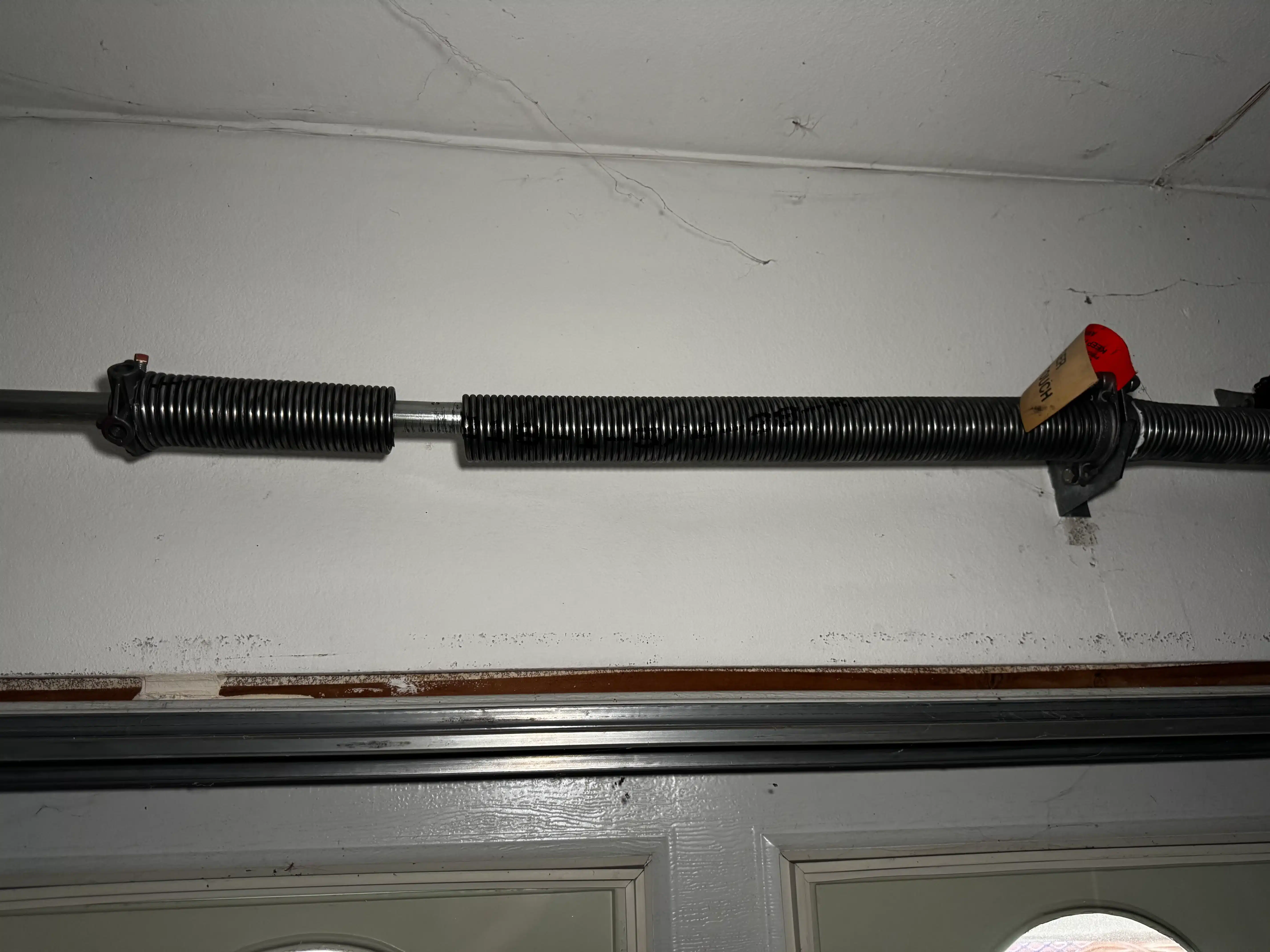
Garage door springs carry the full weight of the door every time it moves, and after years of that constant pressure, they begin to show signs of wear long before they completely break. Those signs are easy to overlook, and ignoring them often leads to a sudden failure that leaves your garage door completely out of service.
Paying attention to the warning signs that your garage door springs are about to fail can save you from a sudden breakdown and expensive damage to your entire garage door system. This guide covers every major sign in detail, so you know exactly what to watch for and when to call for garage door spring repair.
Why Do Garage Door Springs Break in the First Place?
Every garage door spring is built to handle a specific number of cycles, and with each open and close, that count decreases until the spring no longer carries the necessary tension to support the door’s weight.
Several factors push garage door springs toward failure earlier than expected:
- Daily use gradually reduces the cycle life until the spring can no longer hold tension
- Missing lubrication creates friction that breaks down the metal coils over time
- Coastal San Diego salt air causes rust and corrosion, which makes the spring brittle
- Fluctuating temperatures cause the metal to expand and contract until it weakens
- A spring installed at the wrong wire size wears out well ahead of schedule
To understand how these wear factors manifest as real problems in your system, read our guide on What Causes Garage Door Springs to Break?, which covers every major cause homeowners need to know before a complete failure occurs.
Warning Signs Your Garage Door Springs Are About to Fail
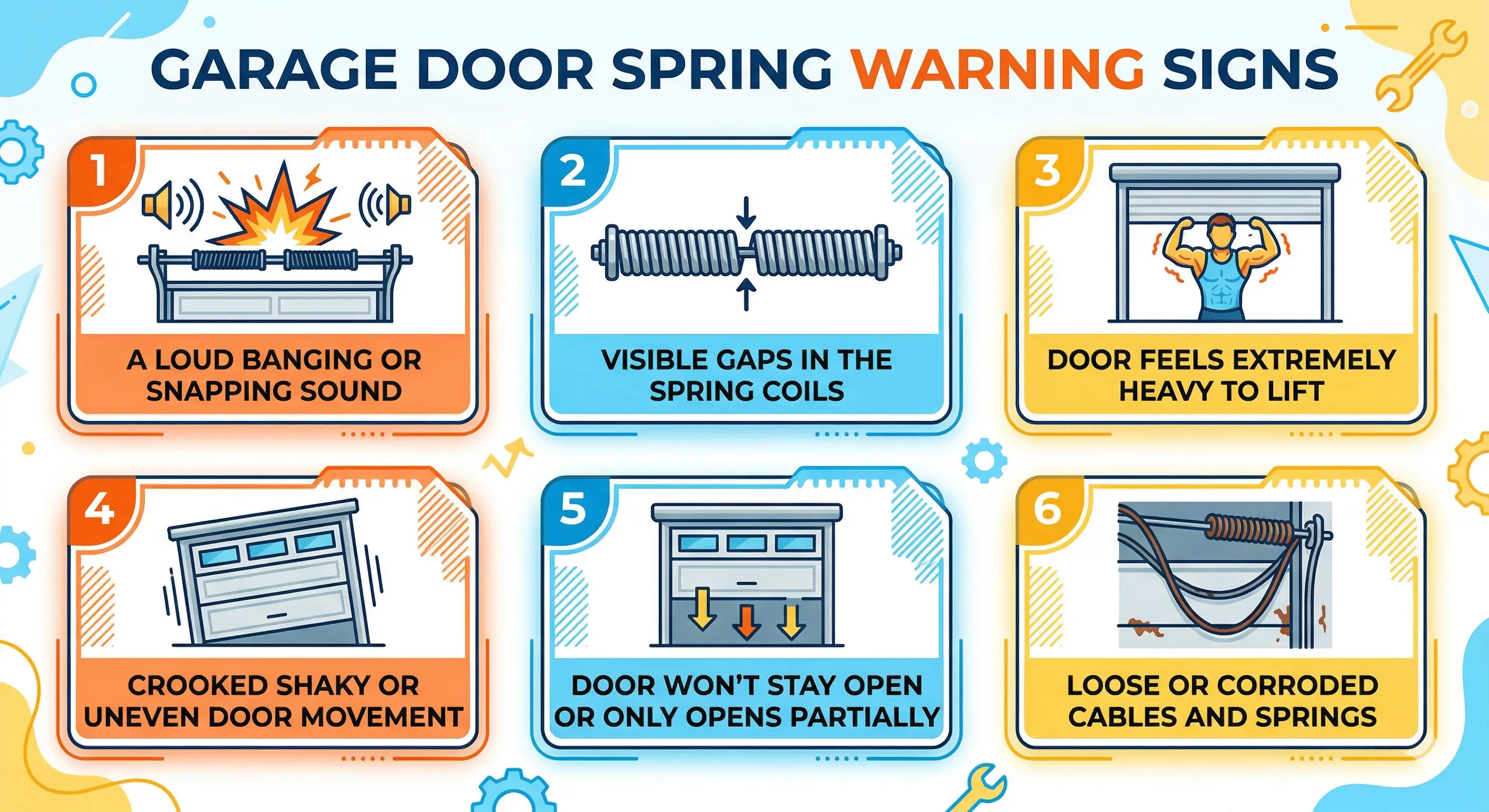
A Loud Banging or Snapping Sound
A sudden loud bang from the garage is one of the most recognizable indicators that a torsion spring has snapped under extreme tension.
Watch for these indicators:
- A loud bang echoes from the ceiling area, even when no one is using the door
- The opener runs its full cycle, but the door does not move at all
- The spring visibly shows a separation or gap after the sound occurs
- Smooth operation stops completely, and the door feels impossible to move
A snapped spring releases stored energy instantly, and the door loses all counterbalance the moment the coil gives out.
Visible Gaps in the Spring Coils
Knowing what a broken garage spring looks like starts with spotting a visible separation in the coil that signals the spring has fully given out.
Look closely for these signs:
- A one to two-inch gap appears somewhere along the length of the coil
- The spring looks stretched or uneven compared to the one on the other side
- Coil spacing is no longer uniform, and the winding appears irregular
- Metal near the gap appears jagged or sharp from where the break occurred
Broken coils are among the most direct indicators of spring failure, and the door’s weight is no longer supported the moment that gap appears.
Door Feels Extremely Heavy to Lift
Springs are designed to offset the full weight of the door, and a door that suddenly feels impossible to lift manually points directly to a spring that has lost its tension.
Pay attention to these clues:
- Pulling the manual release cord reveals a door that barely budges off the ground
- Lifting the door manually requires significantly more effort than it ever has before
- The opener strains audibly or stops midway before completing the full cycle
- The door weight feels unbalanced and heavier on one side when lifted by hand
Loss of spring tension forces the opener and cables to carry an unintended load, and regular garage door maintenance catches this before it worsens.
Crooked, Shaky, or Uneven Door Movement
Uneven movement during operation indicates that one spring in a pair has failed, while the other continues to carry more than its share of the load.
Notice these movement patterns:
- One side of the door rises noticeably higher than the other during opening
- Visible shaking or wobbling occurs throughout the full range of motion
- The door tilts toward one side of the garage door as it travels upward
- Movement feels jerky and inconsistent instead of fluid and controlled
Uneven movement puts additional strain on the tracks, cables, and opener, and long-term damage to the springs can eventually lead to a full garage door replacement.
Door Won’t Stay Open or Only Opens Partially
Functioning springs maintain the necessary tension to hold the door in a stable open position, and a door that drifts back down has lost that balance entirely.
Watch for these behaviors:
- The door slowly drifts back down after being lifted to the fully open position
- Opening stops after just a few inches despite the opener completing its full cycle
- The opener reverses direction on its own without any obstruction in the path
- Holding the door open manually reveals an immediate and consistent downward pull
Every failed attempt to hold the door open adds strain to the opener motor and cables until something else gives out.
Loose or Corroded Cables and Springs
Rust, fraying, and visible wear on the cables and springs are early signs of deterioration that appear well before a complete failure.
Look for these physical changes:
- Orange or brown discoloration runs along the full length of the spring coil
- Cables appear frayed, slack, or hanging loosely along the side of the door
- Wire size along the coil looks inconsistent, where corrosion has thinned the metal
- End cones show visible buildup or cracking where the cable connects to the spring
Corrosion accelerates spring failure in coastal climates, and early detection is the best reason to call for professional garage door repair before the damage spreads.
What to Do Next When You Notice These Warning Signs
Spotting the warning signs early means nothing without taking immediate action to prevent further damage to your entire garage door system.
Here is what you need to do right away:
- Disconnect the automatic opener and stop using the door in any direction
- Keep vehicles and people away until a professional has assessed the situation
- Inspect the torsion spring from inside the garage for gaps, rust, or bending
- Check the cables on both sides for slack, fraying, or visible corrosion
- Test the balance of your garage door by pulling the manual release cord and lifting it halfway to see if it holds position
- Call a professional technician to assess the spring type, door weight, and full system condition
Taking action at the first sign of trouble protects your garage door and prevents a manageable repair from turning into a costly full-system replacement.
What to Expect When You Hire a Professional for Garage Door Spring Repair
Professional garage door spring repair involves more than a simple swap, and knowing the full process helps you prepare for what lies ahead.
Here is what a trained technician will cover during the visit:
- Inspect both door torsion springs, even if only one has visibly broken
- Check the cables, drums, and end cones for wear or damage from the failed spring
- Assess the garage door opener for additional strain from the spring failure
- Measure the door weight to match the correct wire size and spring type
- Wind the new springs to the exact amount of tension required for balanced operation
- Test the door balance after installation and walk you through maintenance tips
To get a full picture of the repair process from start to finish, read our guide on How to Replace Garage Door Springs the Right Way, which covers everything a professional does to ensure the job is completed correctly.
Why Garage Door Spring Repairs Should Always Be Handled by Professionals
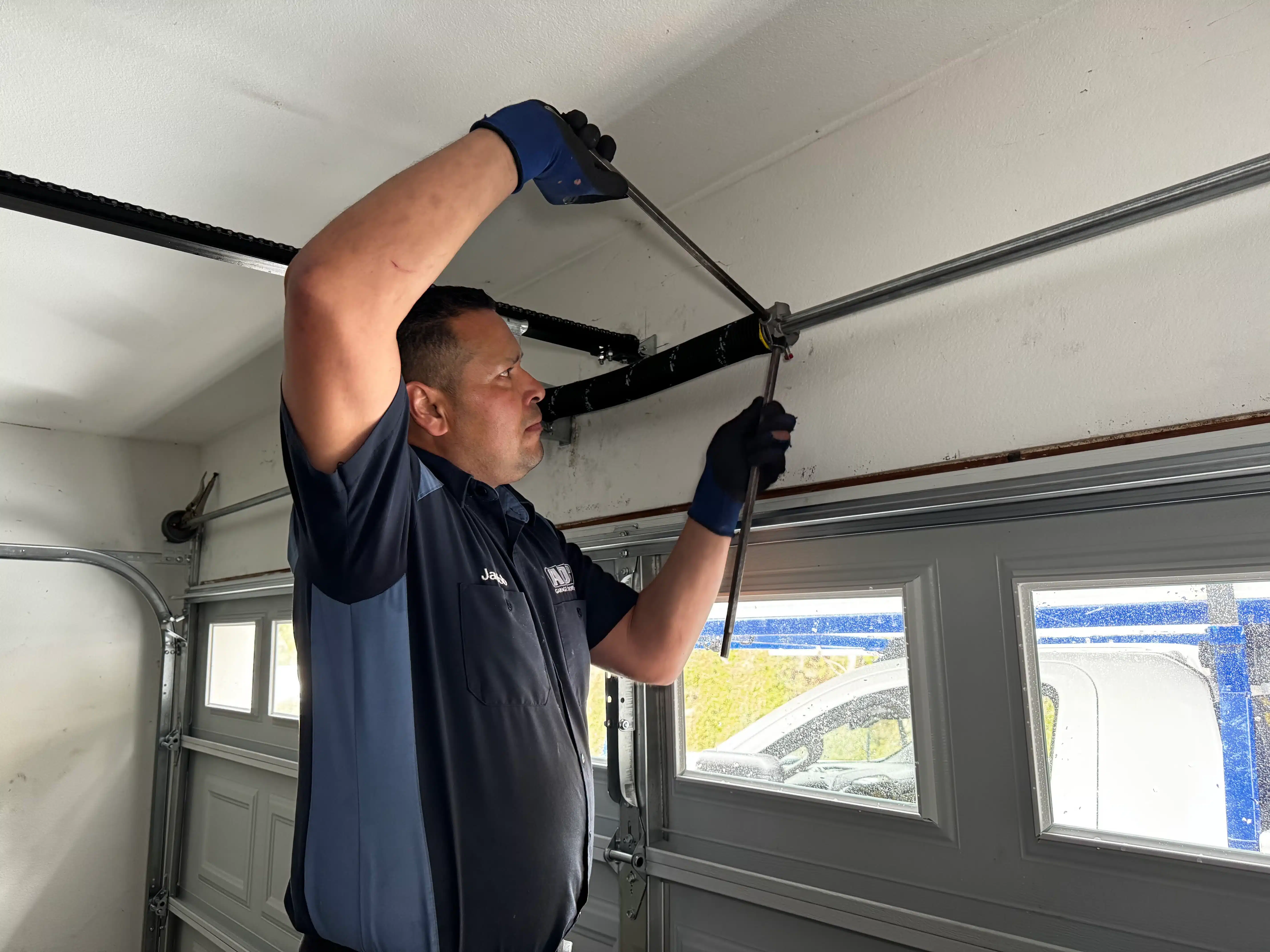
Garage door springs operate under extreme tension, and attempting repairs without proper training and specialized tools puts everything at risk.
Here is why this job should always be left to a trained technician:
- Torsion springs store enough energy to cause severe injury when mishandled
- A slipping winding bar can trigger sudden and uncontrolled spring movement
- Using the wrong spring puts additional strain on cables, drums, and the overhead door system
- Improper tension accelerates wear on the tracks and opener over time
- Incorrect installation voids warranties and leads to costly repairs
- Professional technicians have the specialized tools and training to complete the job without risk
To learn more about what drives up the cost when springs fail, read our guide on Why Is It So Expensive to Replace Garage Door Springs?, which breaks down every factor that affects garage door springs replacement cost.
Take Action the Moment You Spot These Garage Door Spring Warning Signs
Worn garage door springs do not wait for a convenient time to break, and every cycle your door runs on a damaged spring pushes the entire system closer to a complete failure. Acting on the warning signs now means avoiding a sudden breakdown that leaves your garage door stuck and your household facing far more expensive repairs.
ADS Garage Doors & Gates proudly serves homeowners throughout San Diego, CA, with professional inspections and garage door spring repair services designed to catch problems before they get out of hand. Contact us or give us a call today, and let our team pinpoint the warning signs your springs are showing before the damage worsens.