
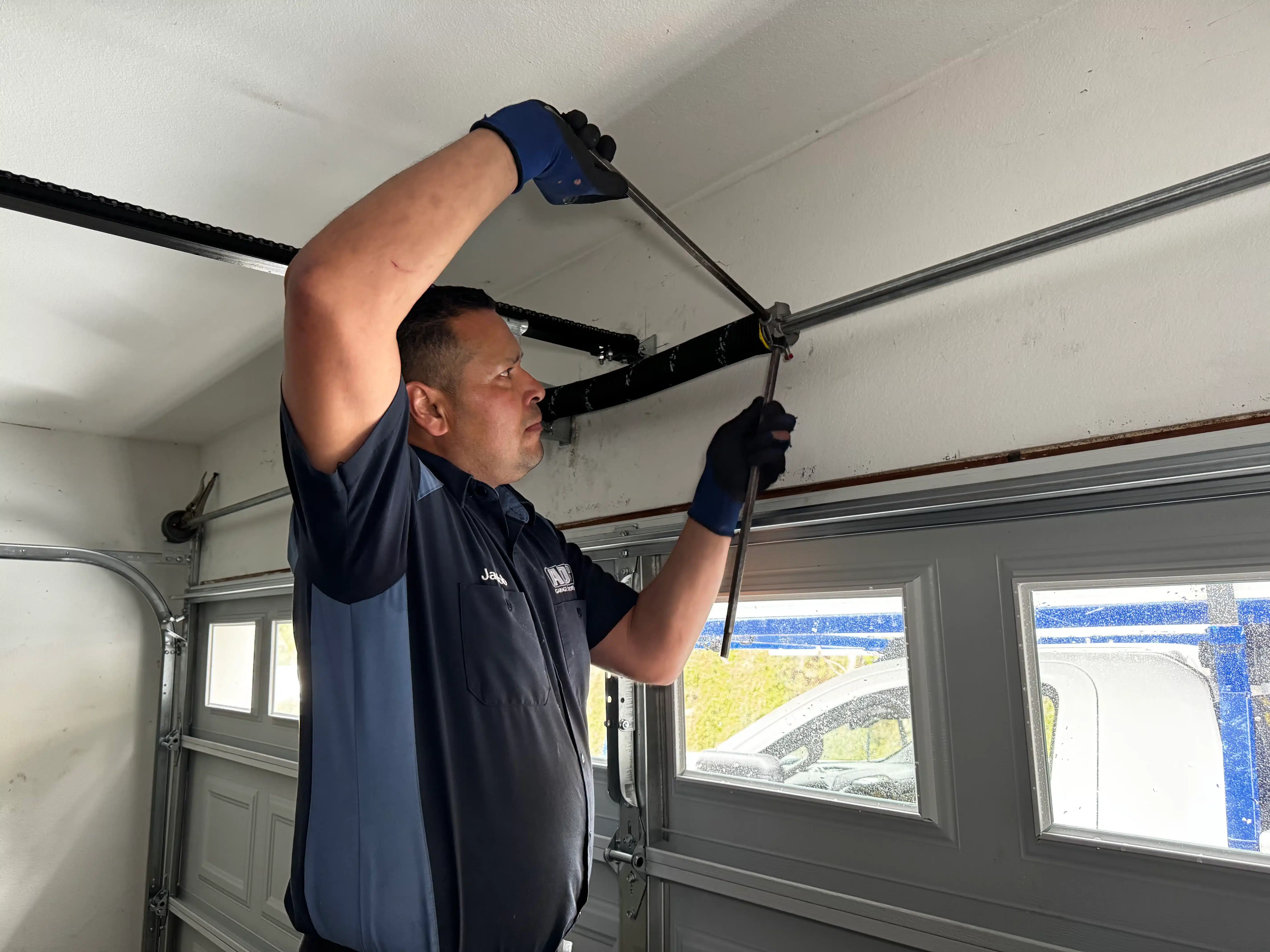
Garage door springs are under constant tension every time the door moves, and when they break, the replacement cost is higher than most people expect for good reason. The danger involved, the expertise required, and the quality of parts all play a direct role in what you pay.
Garage door spring repair is not a job that can be rushed or handled without proper training and specialized tools. This guide breaks down every cost factor so you understand exactly what goes into a professional spring replacement and why the price is fully justified.
What Causes Garage Door Springs to Break?
Garage door springs endure significant stress over their lifetimes, and understanding the root causes of failure helps you recognize warning signs before the problem completely affects your access to the garage.
Several factors push springs toward failure earlier than expected:
- Daily use wears down the coils until the spring can no longer hold tension
- Missing lubrication creates friction that breaks down the metal over time
- Rust and corrosion from coastal air make the wire brittle and weak
- Temperature swings cause the metal to expand and contract until it weakens
- A wrong-sized spring works harder than designed and fails ahead of schedule
- Loose set screws or misaligned end cones create uneven tension and sudden failure
To understand how these failure factors show up as real problems in your system, read our guide on What Causes Garage Door Springs to Break?, which covers the most common mechanical stress points that lead to a complete spring failure.
The Real Reasons Behind Garage Door Springs Replacement Cost
High Danger and Technical Skill Required
Torsion springs operate under extreme tension, and handling them without proper training puts everyone nearby at risk of severe injuries or property damage.
Key reasons this job demands professional expertise:
- Torsion springs store enough energy to cause injury if released without control
- Winding and unwinding require specialized tools that most homeowners do not own
- One miscalculation can send metal components flying at dangerous speeds
- Technicians follow strict safety protocols built through years of field experience
- Liability insurance protects the homeowner if something goes wrong on the job
Proper spring handling requires technical knowledge that only comes from completing hundreds of real garage door spring replacement jobs under supervised conditions.
Labor Costs and Technician Expertise
Skilled technicians charge for years of training and the ability to diagnose problems that go well beyond the broken spring itself.
What drives labor costs on every spring replacement job:
- Diagnosing the full door system takes time before any repair begins
- Removing existing springs safely requires a controlled process that cannot be rushed
- Installing new springs at the correct tension demands precision and technical knowledge
- Testing door balance after installation adds necessary time to every service call
- Local labor rates reflect the cost of running a licensed and insured operation
Every dollar spent on skilled labor covers the experience needed to get the job done the first time correctly, without creating new problems in the process.
Component Quality and Spring Type
Spring type and build quality account for a large portion of the total cost of garage door spring replacement.
What separates spring options and affects what you pay:
- Torsion springs cost more than extension springs due to their complexity
- High-cycle springs carry a higher price but reduce the need for replacement
- Wire size and coil diameter must match the door weight to avoid premature wear
- Cheap springs wear out faster and cost more through repeated replacements
- Professional-grade parts come with warranties that budget alternatives rarely offer
Choosing the right spring type from the start saves homeowners from paying for repeated replacements caused by mismatched or low-quality components.
Additional Repairs From Related Damage
A broken spring rarely fails on its own, and connected components absorb the impact in ways that often require repair during the same service call.
Common components that get damaged when a spring fails:
- Cables fray or snap when forced to carry the full door weight alone
- Rollers crack or flatten under the uneven load of a failed spring
- Drums warp or shift when the tension balance across the door is lost
- The opener motor overworks trying to lift a door without spring support
- Brackets and hardware loosen under the additional strain after spring failure
A prompt garage door repair appointment keeps spring damage from spreading to cables, rollers, and other connected components.
Required Safety Inspection After Replacement
Every professional spring replacement includes a full system inspection, and that added time protects the homeowner from failures that develop quietly between service visits.
What gets covered during a post-replacement inspection:
- Cable condition is checked for fraying or wear that could lead to sudden failure
- Roller and track alignment is verified to confirm smooth door movement
- The balance test confirms spring tension is correctly set for the door weight
- Hardware, including brackets, bolts, and drums, is checked for looseness
- The opener is tested to confirm it responds correctly to the balanced door
A thorough inspection after every spring job gives homeowners peace of mind that the entire system is working correctly before the technician leaves the property.
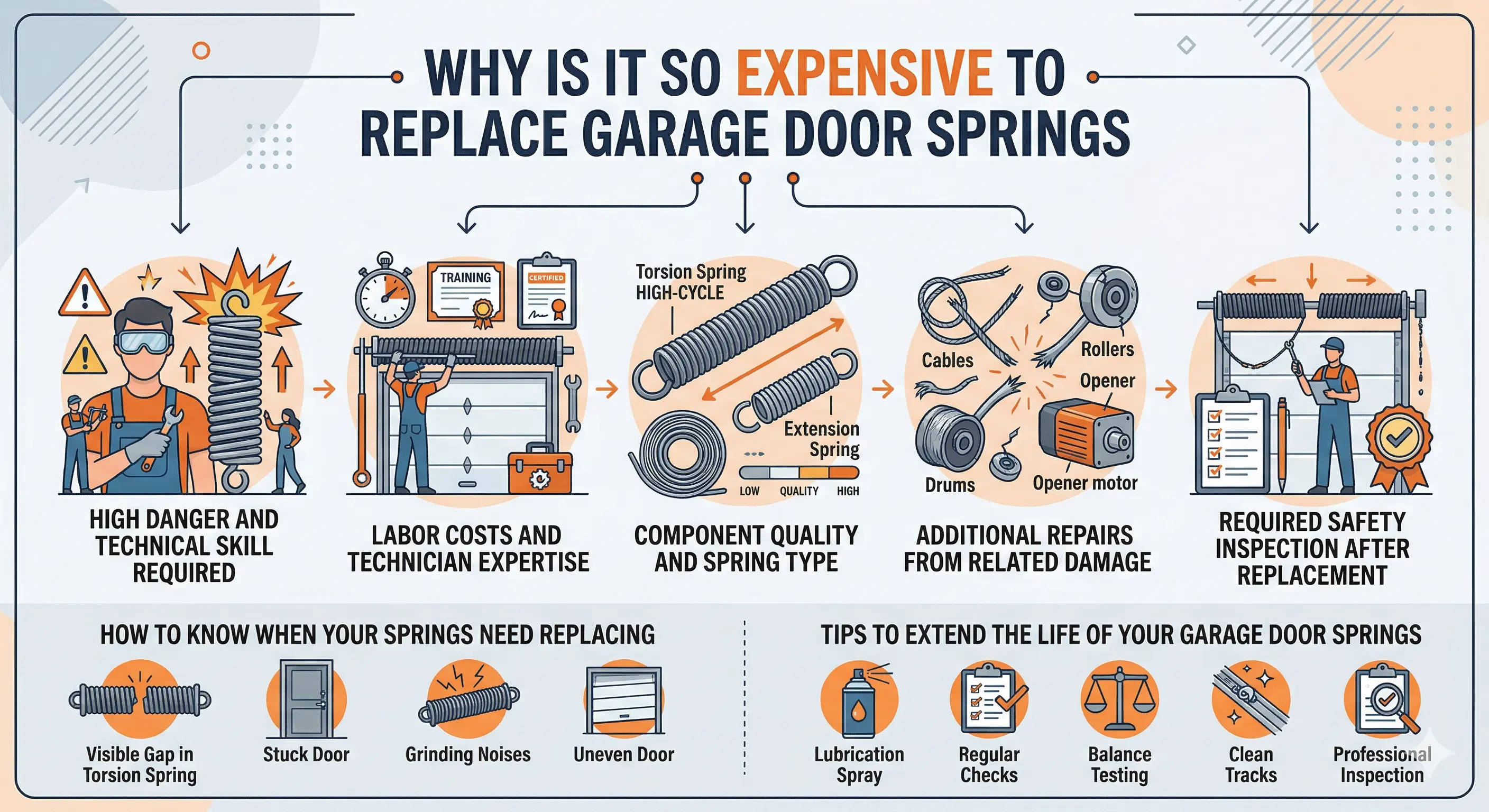
How to Know When Your Springs Need Replacing
Garage door springs give clear warning signs before they fail completely, and knowing what to look for keeps the damage from spreading to the rest of the system.
Watch for these warning signs:
- A visible gap in the torsion spring coil is a direct sign that the spring has snapped
- The door refuses to open because the spring can no longer carry the door’s weight
- Grinding or popping sounds during operation mean the spring is under abnormal stress
- One side of the door sits lower than the other due to uneven spring tension
- The opener strains or slows down when a weakening spring overloads the motor
- A door that drops faster than normal has lost the tension needed to control its descent
To spot these problems before they trigger a complete failure, read our guide on Signs Your Garage Door Springs Are About to Fail, which walks through the most telling indicators homeowners notice before the spring gives out entirely.
How Professionals Handle a Garage Door Spring Replacement Job
Professional technicians follow a precise process on every spring job to make sure the repair is done correctly and the entire door system is protected.
Here is what happens during a professional spring replacement:
- A full visual inspection covers the springs, cables, drums, and rollers before work begins
- The correct spring type and wire size are identified based on the door’s weight
- Old springs are removed using winding bars and specialized tools in a controlled way
- New springs are wound to the exact tension needed to support the door’s weight
- The door is balance-tested multiple times to confirm smooth operation
To follow the replacement process from start to finish, read our guide on How to Replace Garage Door Springs the Right Way, which covers everything homeowners need to know before calling a professional.
Is It Worth Paying for Professional Spring Replacement in San Diego?
Professional spring replacement is worth every dollar when you consider the risks, the skill required, and the long-term cost of getting it wrong.
Here is why hiring a professional makes sense:
- Torsion springs operate under extreme tension, that causes severe injuries without proper handling
- Winding and installing springs correctly requires specialized tools and technical training
- A failed DIY repair costs more to fix than the original professional service
- Licensed technicians inspect the full system and catch issues beyond the broken spring
- Professional work comes with warranties that protect the homeowner after the job is done
Professional garage door spring installation protects your door and your wallet from the consequences of a job done without the right tools or training.
Tips to Extend the Life of Your Garage Door Springs
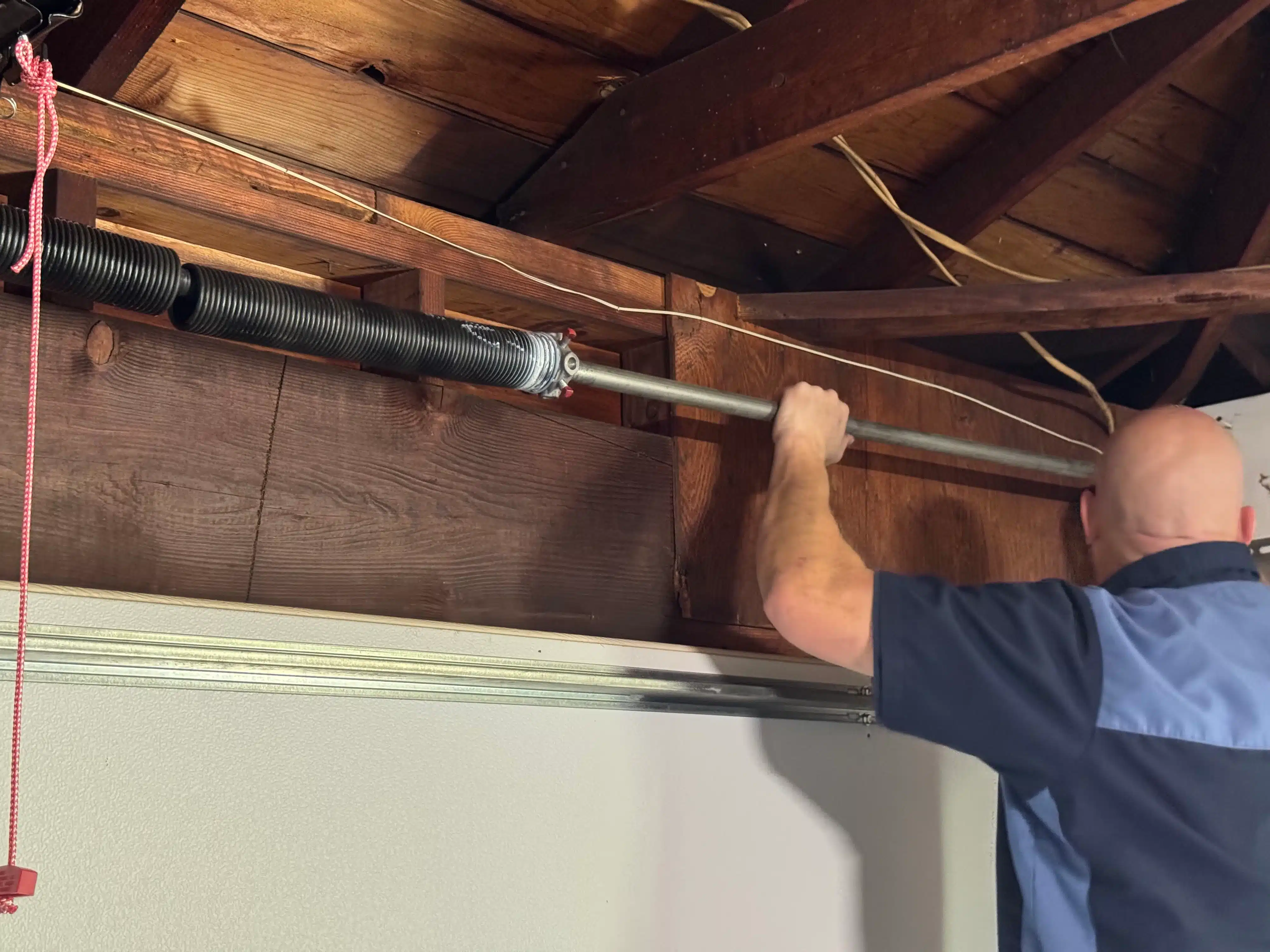
A few consistent habits go a long way in protecting garage door springs from premature wear and unexpected failure.
Keep your springs in good condition with these maintenance tips:
- Lubricate the spring coils every six months with a lithium-based spray to reduce friction
- Inspect the springs twice a year for rust, gaps, or thinning wire
- Test the door balance by lifting it manually halfway and checking if it holds position
- Keep the tracks clean and free of debris to reduce strain on the springs
- Schedule a professional inspection every one to two years to catch wear early
Combining these habits with routine garage door maintenance gives your springs the best possible chance of reaching their full cycle rating.
Get Your Garage Door Springs Replaced by Professionals Who Know What They Are Doing
Garage door spring replacement involves real danger, specialized skills, and professional-grade parts that justify every dollar in the repair bill. Understanding what goes into the job helps you see why hiring a professional is always the smarter and more cost-effective decision.
ADS Garage Doors & Gates has helped homeowners across San Diego quickly and correctly replace their garage door springs, without the stress of handling the job alone. Contact us or give us a call today, and let our team handle the repair with the expertise and care your garage door deserves.