
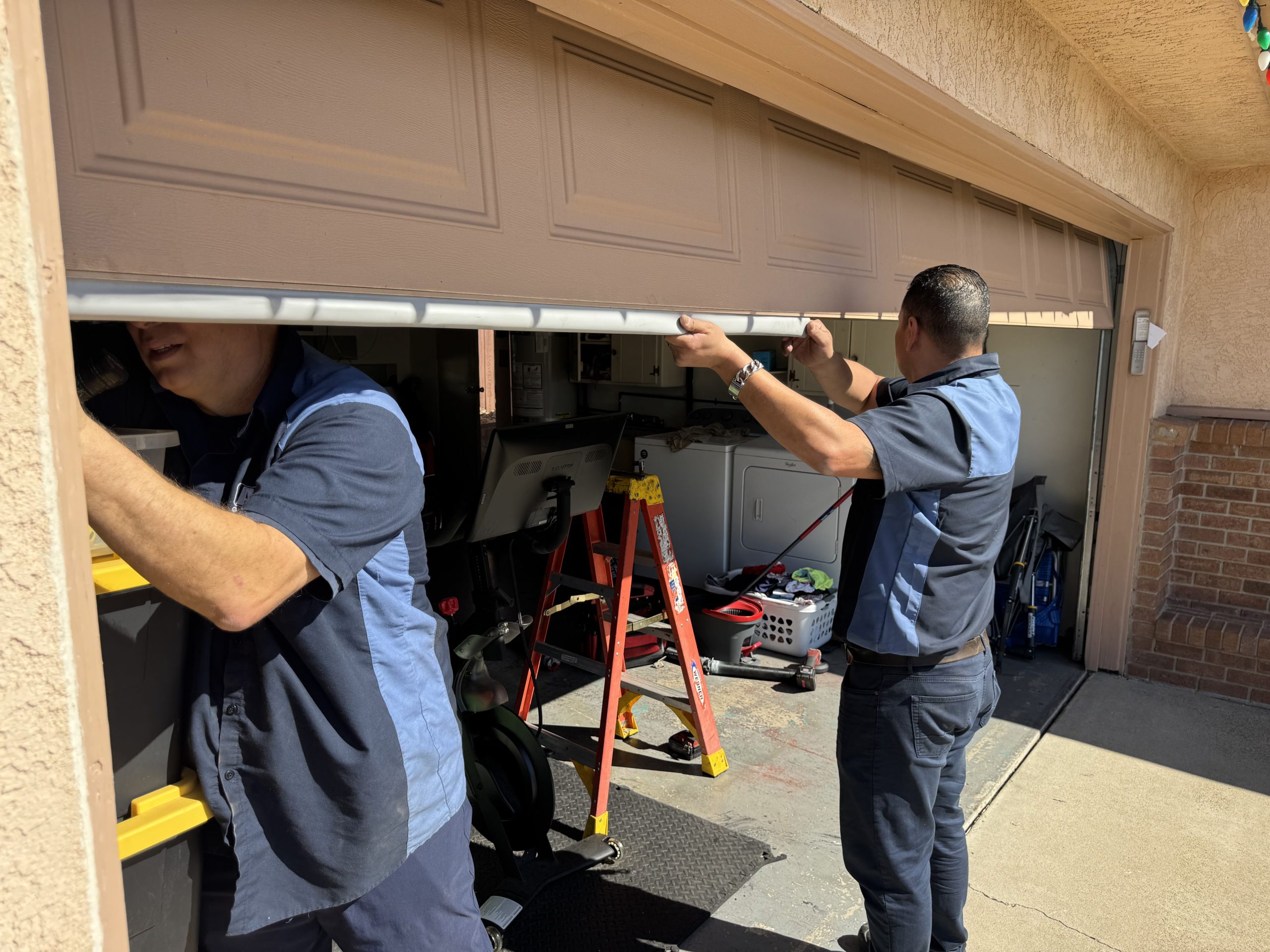
The best materials for garage door replacement include steel, wood, fiberglass, vinyl, and aluminum, each offering a different balance of durability, style, and maintenance. Most people focus on price or appearance first, but that overlooks the one factor that determines how well the new door actually performs.
Material affects far more than looks alone, shaping how a garage door handles daily use, weather exposure, and years of wear ahead. Steel, wood, fiberglass, vinyl, and aluminum each perform differently once installed, making material comparison the real starting point for a replacement built to last.
Why Does Material Choice Matter When Replacing a Garage Door?
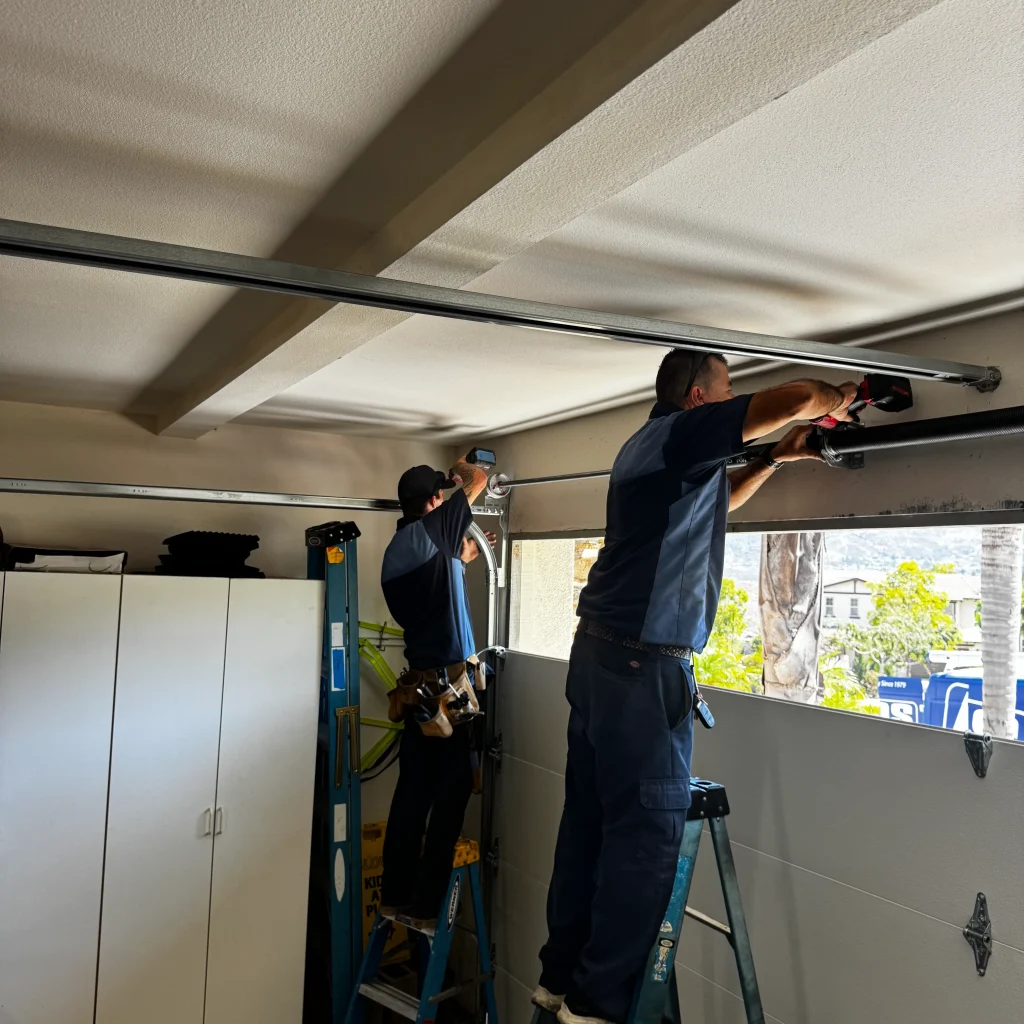
Material choice matters because it determines how long a garage door lasts, how much upkeep it requires, and how well it holds up over time, all of which directly affect the value of any garage door replacement.
Common ways material choice affects a garage door’s performance include:
Material | Strength | Tradeoff |
Steel | Durable and long-lasting | Can rust without proper care in humid conditions |
Wood | Adds strong curb appeal | Requires ongoing refinishing to prevent warping |
Fiberglass | Resists moisture damage | Can become brittle in colder temperatures |
Vinyl | Withstands daily impact | Comes with a higher upfront investment |
Aluminum | Supports a modern look | Dents more easily than heavier materials |
To understand how these material weaknesses eventually lead to a full replacement, read our guide on What Causes the Need for Garage Door Replacement?, which explains the specific warning signs tied to each material’s breakdown.
Best Materials for Garage Door Replacement
Steel
Strong security and long-term durability with minimal upkeep make steel a consistently chosen material for garage door replacement.
Several qualities make steel a consistent top choice:
- Multiple insulated layers provide greater dent resistance than a single steel panel.
- Scratches left untreated can develop rust along the edges of exposed panels.
- Powder-coated finishes resist fading from daily sun exposure.
- Reinforced panel seams resist bending under forceful daily operation.
- A wide range of colors and textures matches nearly any home Fexterior.
Low upkeep, paired with lasting structural performance, keeps steel near the top of most material comparisons that homeowners consider.
Wood
A custom, upscale look that few other materials can fully replicate is the main reason wood remains a popular choice for garage door replacement.
Homeowners drawn to wood often value the following:
- Natural grain patterns create a distinct, custom appearance.
- Stain and finish combinations can be tailored to the home’s exterior.
- Warping becomes more likely along panels in humid conditions.
- Refinishing every one to two years helps preserve the wood’s appearance.
- Craftsman and traditional homes often benefit most from wood’s natural texture.
A consistent garage door maintenance schedule keeps wood looking its best for many years, making the upkeep well worth it.
Fiberglass
Homeowners seeking the appearance of wood without the upkeep demands of wood often opt for fiberglass as the practical alternative.
Fiberglass offers a distinct set of practical benefits:
- Rust, rot, and shrinking rarely affect fiberglass panels over time.
- Dent resistance holds up well under everyday bumps and impact.
- Cold winter months can cause brittleness along panel seams.
- Extended sun exposure may lead to fading or surface cracking.
- High wind regions are generally less suited to this material.
Battle – Durability and appearance rarely balance this evenly, which is exactly why fiberglass appeals to so many homeowners.
Vinyl
Households where the garage door regularly takes a hit from bikes, balls, or daily activity tend to benefit most from vinyl’s construction.
Vinyl’s construction brings several notable advantages:
- Dents from balls, bikes, and daily impact rarely leave a mark.
- Aluminum or steel framing underneath adds structural reinforcement.
- Upfront investment tends to run higher than steel alternatives.
- Fewer color choices are available compared to other materials.
- Rust never becomes a concern regardless of climate exposure.
That level of dent resistance often means fewer garage door repair calls tied to everyday impact over time.
Aluminum
Homeowners seeking a sleek, contemporary look for their home’s exterior often choose aluminum as the material of choice.
Aluminum stands apart for a few specific reasons:
- Lightweight panels reduce strain on the garage door opener.
- Rust resistance holds up well in coastal, humid environments.
- Large glass panel options create a brighter, more open look.
- Softer metal construction makes denting more likely than with steel.
- Modern and minimalist home styles pair especially well with this option.
Aluminum’s lightweight build also makes garage door installation more straightforward for the crew handling it, a tradeoff most homeowners accept.
Key Factors When Choosing a Garage Door Material
Practical factors beyond material comparison alone determine which option makes the most sense for a specific garage door replacement.
Factors that influence this decision include:
- Climate exposure affects how quickly rust, warping, or fading develops.
- Insulation layers, finish quality, and door size each shape the overall investment.
- Insulation quality influences energy efficiency and indoor temperature control.
- Style and finish options impact overall curb appeal.
- Security needs may favor sturdier materials like steel or vinyl.
To recognize when these factors indicate a full replacement, read our guide on What Causes the Need for Garage Door Replacement?, which explains the specific warning signs tied to each material’s breakdown.
How to Select a Material for a New Garage Door
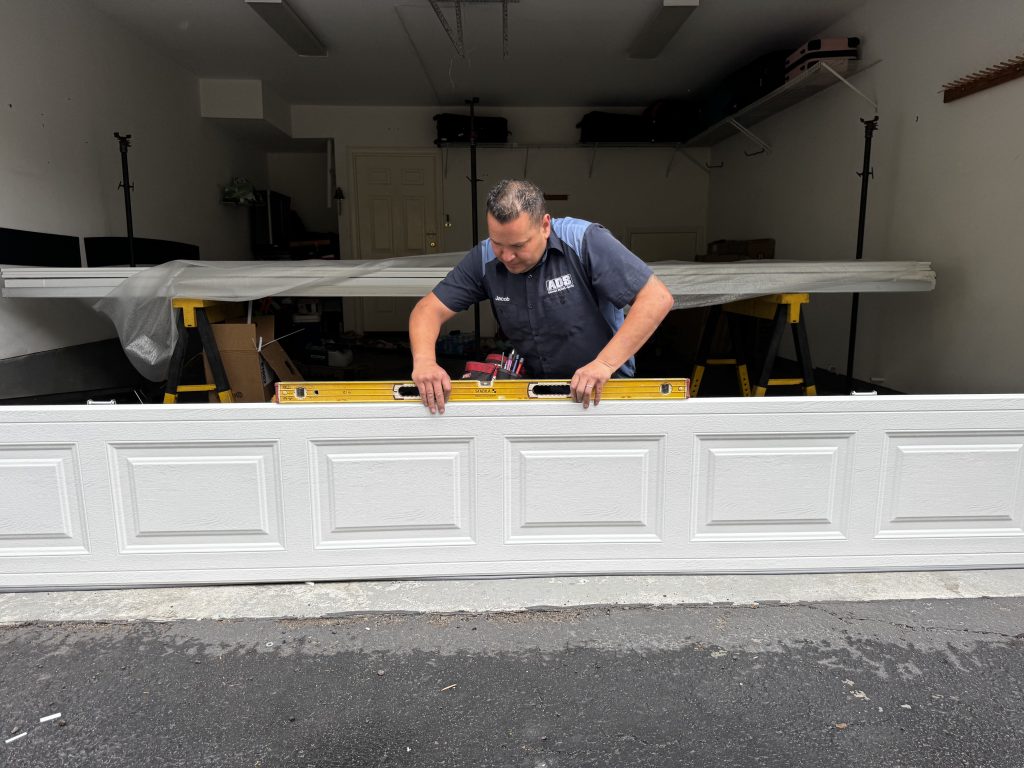
Selecting the right material comes down to matching a home’s specific needs against what each option realistically delivers.
Steps that guide this decision include:
- Assess sun, moisture, and coastal exposure specific to the home.
- Rank priorities like durability, style, and upkeep before comparing options.
- Compare how each remaining material performs against those ranked priorities.
- Narrow choices down to two or three realistic materials.
- Match the finalist to the home’s existing architectural style.
Following these steps in order keeps the final decision grounded in both practicality and long-term satisfaction.
How a Professional Assessment Guides Material Selection
A professional assessment adds a layer of insight that is genuinely difficult to replicate through independent research alone.
What this typically involves:
- Measuring the exact dimensions and structural needs of the opening.
- Evaluating sun and moisture exposure specific to the property.
- Reviewing compatibility between the chosen material and existing hardware.
- Weighing stated priorities around style, budget, and maintenance.
- Confirming the material aligns with local building and design standards.
To recognize what happens once a material has been chosen, read our guide on What to Expect During Garage Door Replacement, which walks through each stage of the installation process ahead.
Make the Right Material Choice for a Lasting Garage Door Replacement
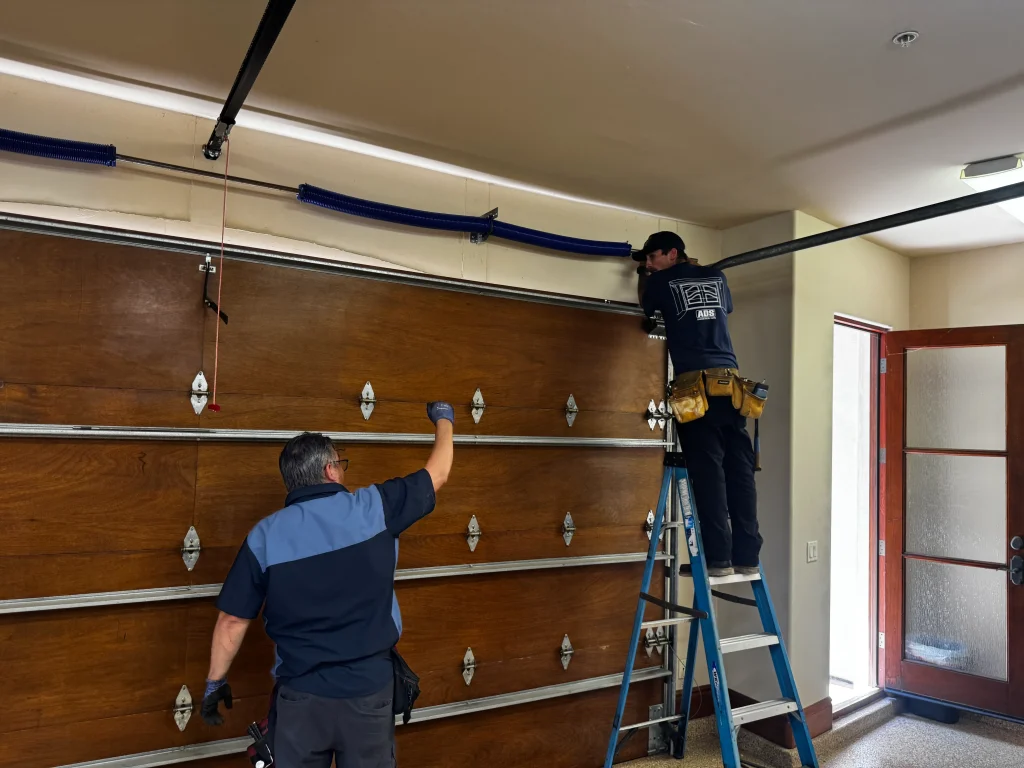
Balancing appearance, durability, and long-term performance against everyday wear and weather exposure leads to the strongest material decision. Comparing steel, wood, fiberglass, vinyl, and aluminum against specific priorities results in a new garage door installation built to last for years to come.
ADS Garage Doors & Gates has spent years guiding local properties through every stage of a garage door replacement with care and precision. Anyone ready to explore replacement options, upgrade an old garage door, or find the right material fit can contact us or give us a call to schedule an assessment.