
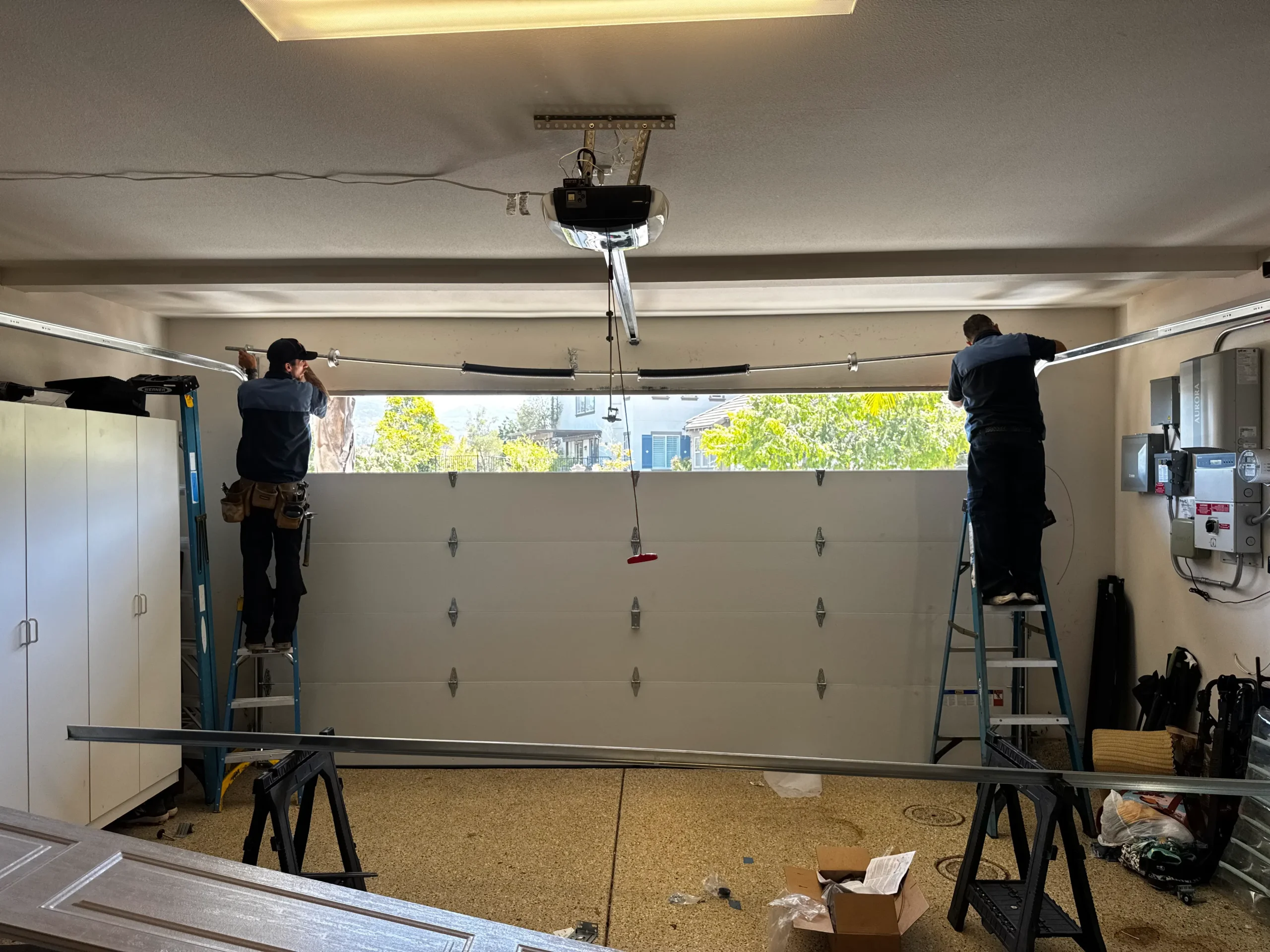
Garage door replacement is most often caused by worn springs, damaged panels, aging openers, and years of daily wear that repair alone can no longer fix. These issues build up gradually, and once a door’s core parts reach their limits, patching one problem after another can no longer be a lasting solution.
Weather exposure, frequent use, and outdated hardware all speed up this process over time, often wearing down several parts of the door at once. Recognizing how these causes connect helps explain why replacement eventually becomes the more practical choice for so many homes.
How to Tell if a Garage Door Needs Repair or Replacement
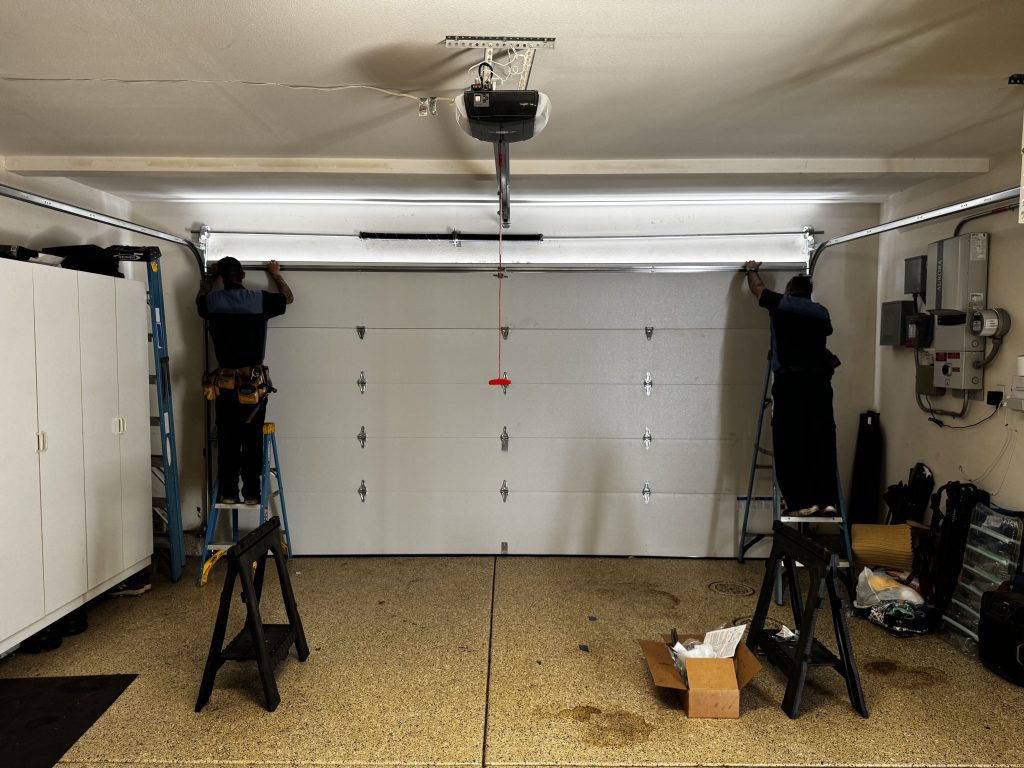
A garage door’s overall condition usually points toward one of two clear outcomes: either a garage door repair that fully restores normal function or a pattern of wear that signals the system is reaching its limit.
Signal | Likely a Repair | Likely a Replacement |
Loose hardware | A single hinge, bolt, or panel is loose while the rest of the door still moves normally | Multiple components are failing around the same time instead of just one |
Worn moving parts | Springs, cables, or rollers show wear, but the frame and panels remain undamaged | The door struggles to stay balanced even after previous adjustments |
Repair history | The issue is new and has not required repeated service calls | Repairs keep addressing the same issue without ever fully resolving it |
Door age | The door is under 10 years old with no major structural issues | The door is nearing or past 15 to 20 years of typical service life |
Energy performance | Minor gaps or seal wear without a noticeable change in comfort | Poor insulation is contributing to a noticeable rise in energy bills |
Safety features | Sensors and auto-reverse function work correctly and consistently | Sensors fail intermittently, or the door does not reverse as it should |
To understand the bigger decision points behind choosing full replacement over another round of repairs, read our guide on When Should a Garage Door Be Replaced?, which breaks down when repair no longer makes financial or practical sense.
What Are the Warning Signs a Garage Door Needs Replacing?
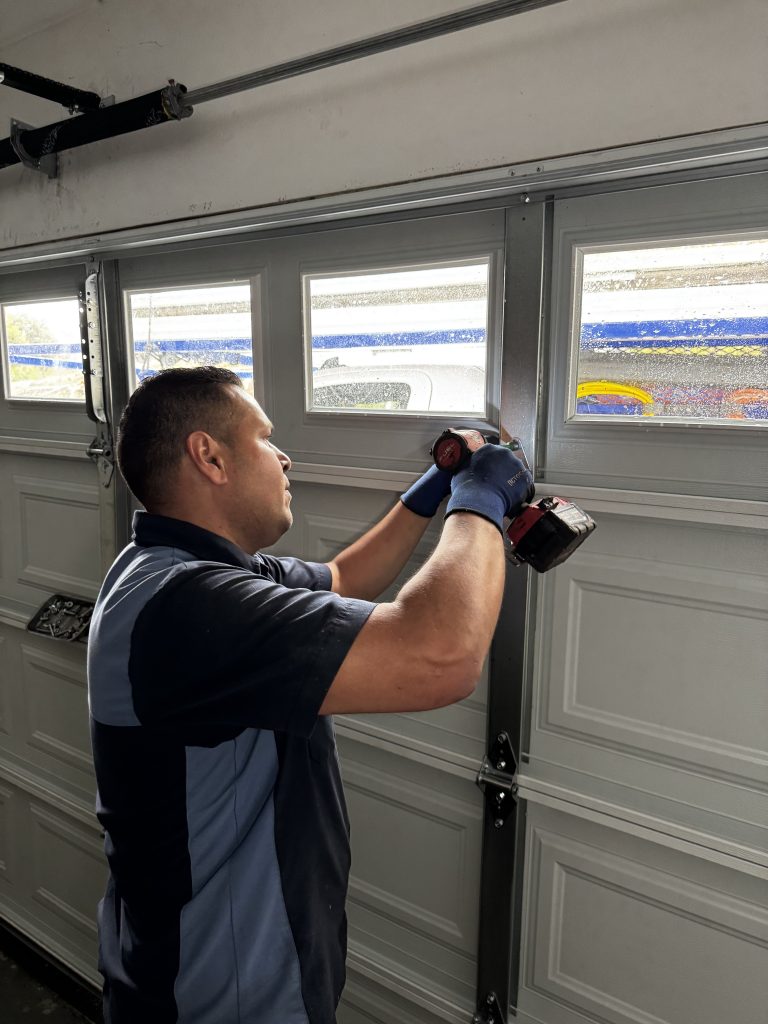
A garage door usually shows clear warning signs long before it fails completely, giving homeowners time to plan ahead instead of facing a sudden breakdown.
Warning signs that often point to a bigger underlying problem include:
- Hearing grinding, popping, or scraping noises during normal operation
- Noticing visible sagging or a door that no longer sits evenly in the frame
- Feeling a slower response time or hesitation when opening and closing
- Seeing a noticeable rise in energy bills tied to the garage space
- Watching the door struggle to stay balanced during a full cycle
Recognizing these warning signs early makes it easier to decide whether a repair will hold or whether garage door replacement is the more practical path forward.
What Are the Main Causes of Garage Door Replacement?
Severe Panel Damage From Accidents or Weather
A garage door with bent panels, deep cracks, or an uneven closing line usually got that way through impact or repeated exposure rather than normal aging.
What typically leads to this kind of damage:
- A vehicle backing into the door or clipping a corner panel
- Falling branches or debris striking the surface during a storm
- Hail or wind-driven objects denting exposed panel sections
- Repeated slamming or forceful closing strains the panel seams
- Prolonged sun exposure warps thinner or lower-grade materials
Impact damage and warped seams rarely remain isolated for long once they begin to pull the door out of alignment.
Cumulative Wear on Springs, Cables, and Rollers
A garage door leaning on worn springs, frayed cables, or cracked rollers is usually dealing with parts that have simply reached the end of their expected cycle count.
Years of daily motion tend to wear these components down through:
- Years of repeated tension cycles wearing down spring coils
- Cables stretching and fraying from constant load-bearing use
- Rollers grinding against the track without regular lubrication
- Heavier-than-average daily use accelerating normal wear patterns
- Corrosion weakens metal components exposed to moisture over time
Repeated tension cycles and corrosion tend to strain neighboring parts long before the door stops moving entirely on its own.
Poor Energy Efficiency in Older Doors
A garage door built without modern insulation typically reflects the manufacturing standards in place when the door was first installed.
Several construction factors explain the gap in performance:
- Single-layer steel or aluminum construction with no foam core
- Weatherstripping that has hardened or cracked with age
- Panel seams that were never designed to seal tightly
- Manufacturing standards that predate current insulation requirements
- Gaps form as the door frame shifts slightly over the years
Outdated construction and aging weatherstripping tend to raise energy costs well before the door shows any visible signs of damage.
Outdated Security and Safety Features
A garage door operating on manual locks and single-code remotes usually reflects the technology available at the time it was installed.
Older systems fell behind current standards for a few key reasons:
- Fixed-code remotes that were standard before rolling-code technology
- Openers manufactured before auto-reverse sensors became required
- Manual latch systems installed before automated locking became common
- Aging electrical components that no longer support modern upgrades
- Original hardware that was never updated alongside newer models
Fixed-code remotes and manual latches leave far more room for error than a modern garage door installation is built to prevent.
Frequent Breakdowns Despite Repeated Repairs
A garage door calling for a technician every few months is usually dealing with age-related decline across several systems at once.
Recurring service calls often trace back to:
- Multiple components reaching the end of their lifespan around the same time
- Previous repairs addressing symptoms without replacing the underlying part
- Mismatched replacement parts creating added strain elsewhere in the system
- Heavier daily use pushing aging components past their expected limit
- Delayed maintenance allowing smaller issues to compound over time
Aging components and deferred garage door maintenance usually indicate a system that is quickly nearing its overall limit.
Fading Curb Appeal and Outdated Style
A garage door with faded paint, dated panel styles, or mismatched hardware usually reflects design trends and materials from an earlier period.
A dated appearance can usually be traced to:
- Sun exposure, fading paint, and finishes over several years
- Panel designs that were popular when the home was originally built
- Hardware finishes that were never updated alongside newer fixtures
- Exterior renovations that left the garage door unchanged
- Material choices that have since been replaced by newer standard options
To see how material choice affects both appearance and long-term durability, read our guide on Best Materials for Garage Door Replacement, which breaks down which options hold up best against fading, wear, and San Diego’s coastal climate.
How Do These Issues Affect a Garage Door’s Lifespan?
Unresolved wear and damage place additional strain on a garage door’s remaining parts, shortening the time the entire system can perform reliably.
The way these issues shorten a door’s lifespan includes:
- Worn springs forcing the opener to work harder with each cycle
- Misaligned tracks spreading stress to rollers and hinges over time
- Panel damage weakening the door’s overall structural balance
- Poor insulation accelerating wear on seals and weatherstripping
- Delayed repairs allowing smaller issues to compound into bigger failures
Left unaddressed, these compounding effects steadily wear down a door’s remaining service life well before its expected endpoint.
What Is the Best Solution for an Aging or Damaged Garage Door?
Full garage door replacement is generally the most practical solution once wear and damage extend beyond what routine repairs can resolve.
The best path forward for an aging or damaged door includes:
- Scheduling a professional inspection to confirm the extent of the damage
- Comparing repair costs against the value of a full replacement
- Choosing materials suited to San Diego’s coastal climate and daily use
- Selecting an insulated door to improve comfort and energy efficiency
- Getting a personalized quote, since the average cost may depend on size and features
Weighing these factors together makes it easier to choose a lasting solution instead of another short-term repair.
How Can Professional Garage Door Replacement Service Help?
A professional garage door replacement service brings the technical accuracy and product knowledge most homeowners cannot easily replicate on their own.
Working with a trained technician typically includes:
- Measuring the opening precisely to match the door and hardware
- Balancing spring tension safely to prevent uneven operation
- Recommending materials suited to a home’s climate and style
- Installing modern openers with updated safety and security features
- Confirming proper alignment and function before completing the job
To walk through exactly what happens once a full replacement is scheduled, read our guide on What to Expect During Garage Door Replacement, which covers each individual step of the process from start to finish.
Understanding the Causes Behind Garage Door Replacement
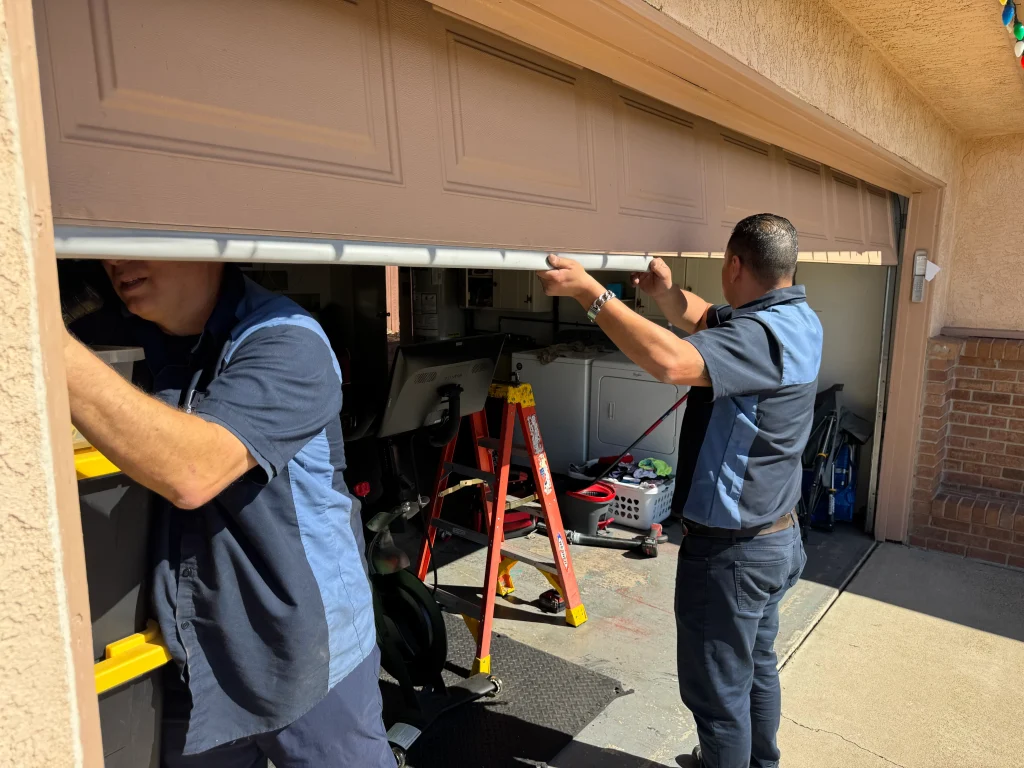
Garage door replacement rarely happens without warning, since worn springs, damaged panels, and aging hardware send clear signals first. Recognizing these causes early gives homeowners more control, whether that means scheduling a repair now or planning for a full replacement.
ADS Garage Doors & Gates has spent years helping San Diego homeowners find the right door for their home, from straightforward installations to fully custom builds. Contact us or give us a call today, and let our team evaluate what a garage door truly needs to perform at its best.