
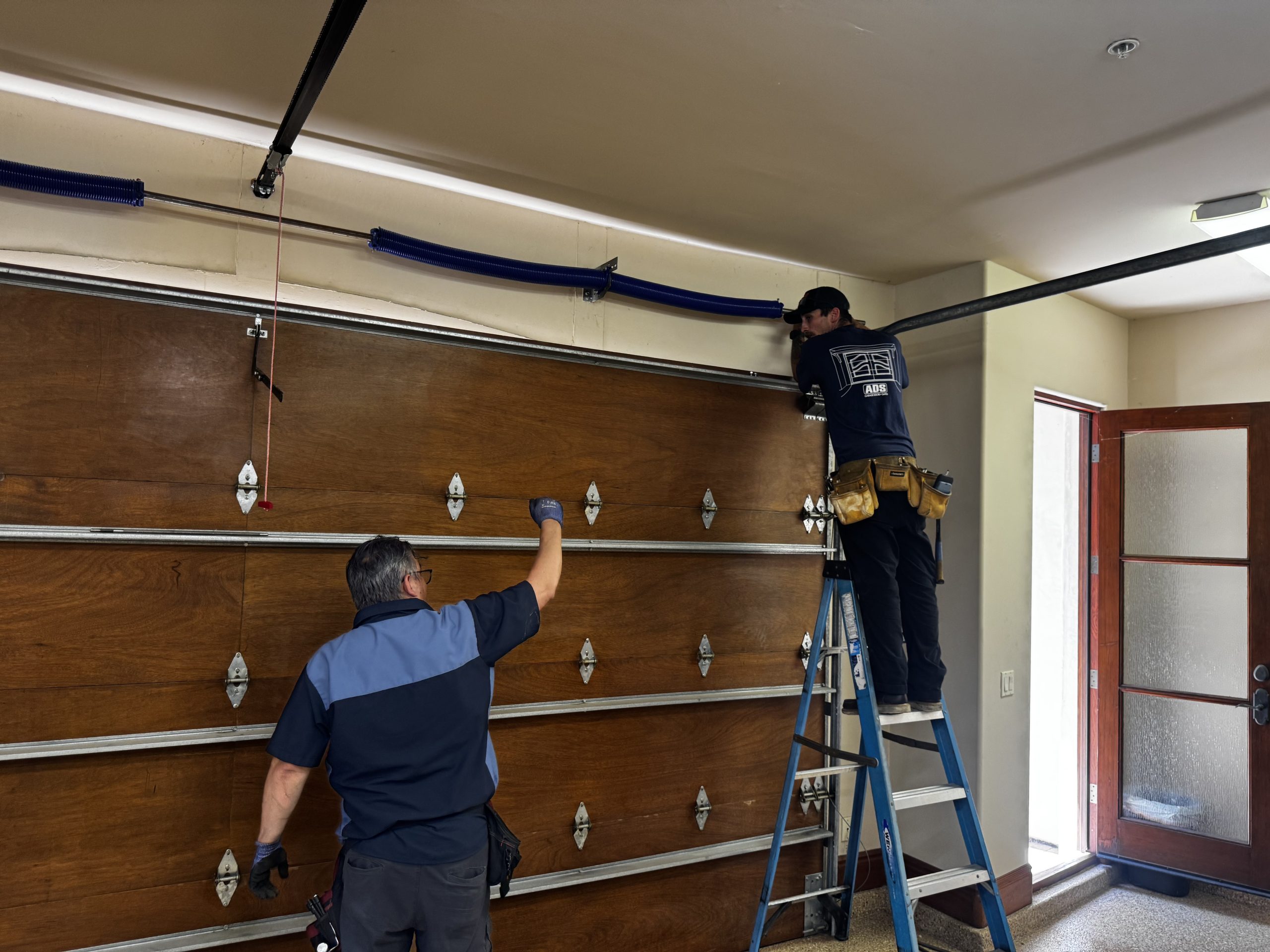
When Should a Garage Door Be Replaced?
A garage door should be replaced once it shows repeated breakdowns, visible structural damage, or safety issues that repairs can no longer resolve. Reaching that point usually happens gradually, and the first instinct for many people is to keep patching small issues without stepping back to look at the bigger picture.
Garage door replacement becomes the smarter investment once age, rising repair costs, and outdated safety features start outweighing the value of another fix. The signs are not always obvious at first, but recognizing them early helps protect against injury, property damage, and the higher costs that come with waiting too long.
How Long Do Garage Doors Usually Last
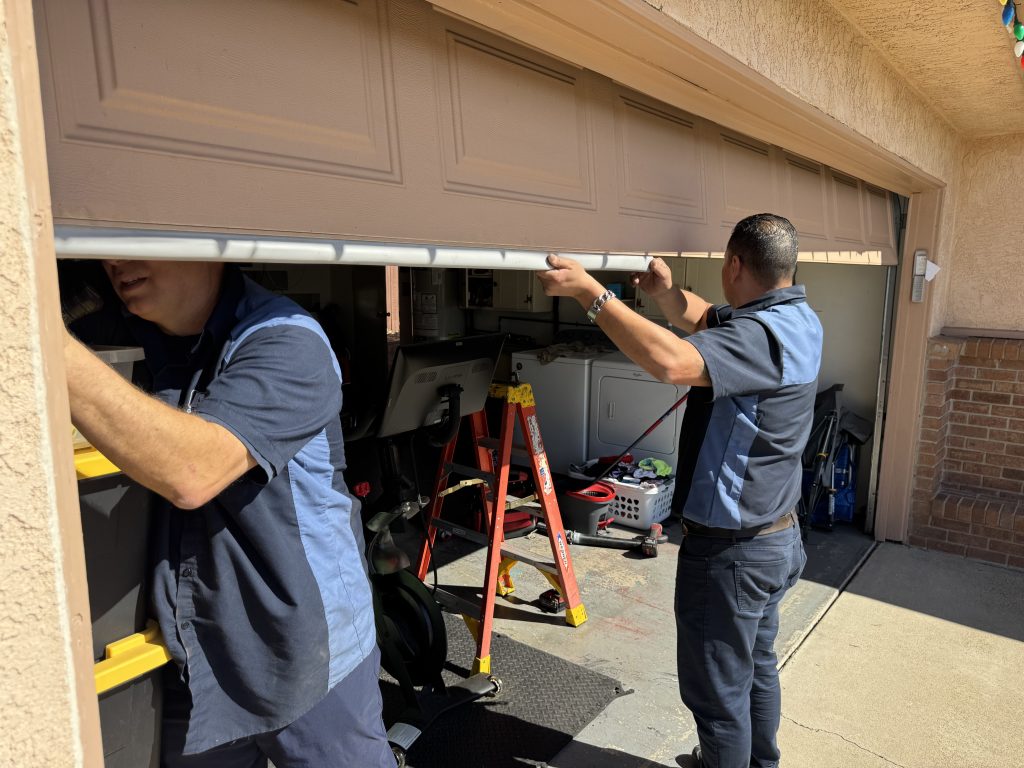
A garage door’s lifespan depends on material, daily use, and how well it has been maintained, with most doors lasting between 15 and 30 years before replacement becomes necessary.
Factors that shape how long a garage door actually lasts include:
- Steel outlasts wood, especially near the coast, where salt air speeds up wear.
- Frequent daily use of straining springs, rollers, and the opener faster than light use.
- Regular lubrication and inspection extending a door’s lifespan by several years.
- Coastal homes face faster hardware corrosion, while inland homes face more heat and dust.
- Doors that skip maintenance often fall short of their true potential lifespan.
To understand what actually drives a door toward replacement, read our guide on What Causes the Need for Garage Door Replacement?, which breaks down the factors that accelerate damage before it becomes a bigger and more expensive problem.
Common Causes of Early Garage Door Wear
A garage door can wear out early for reasons that have little to do with its actual age, and knowing the cause helps catch damage before it leads to a full breakdown.
Common causes behind early garage door wear include:
- Skipped garage door maintenance lets friction and rust build up in rollers, hinges, and tracks.
- Heavy daily use strains torsion springs, cables, and the opener motor.
- Poor installation causes alignment issues and uneven wear from the start.
- Weather exposure accelerates rust, warping, and material degradation.
- Outdated components lack the durability of newer systems.
Recognizing these causes early makes it easier to catch the warning signs covered next before a garage door replacement becomes unavoidable.
Signs It’s Time for a Garage Door Replacement
Frequent Breakdowns
Calling a technician every few months usually means the system has moved past isolated repairs into a pattern of ongoing decline.
Patterns worth tracking include:
- Repair visits piling up more than twice within the same six-month window.
- The same component failing again shortly after a previous repair was completed.
- Multiple separate issues flagged during a single technician visit instead of one.
- Repair invoices climbing steadily compared to the same period the year before.
- New problems appearing in parts that were never flagged during earlier visits.
Tracking repair frequency over several months often reveals a total already close to the cost of a full new garage door installation.
Visible Damage and Sagging
A door with cracked panels, deep dents, or an uneven closing pattern is showing damage that cosmetic fixes cannot reverse.
Warning signs to look for include:
- Panels that appear bent, warped, or split along the seams or edges.
- Rust spreading across hinges, tracks, brackets, or exposed metal fasteners.
- A visible gap or dip along the bottom when the door sits fully closed.
- Wood sections showing soft spots, splintering, or discoloration near the base.
- Paint or finish peeling in a way that exposes bare material underneath.
Uneven panels and spreading rust rarely stay isolated for long once they start affecting how the door sits and moves.
Excessive Noise and Shaking
A door that grinds, rattles, or shakes during operation is signaling that wear is building up in its moving parts.
Sounds and movements worth noting include:
- Grinding or scraping noises coming from the tracks during a full cycle.
- Loud banging concentrated in the final few inches of closing.
- Visible shaking or wobbling across the panels as the door travels.
- Squeaking that continues in the same spot even after fresh lubrication.
- Vibration strong enough to rattle nearby shelving or wall-mounted items.
Noise paired with visible movement issues usually points to hardware that has already shifted out of proper alignment.
Outdated Safety Features
Older garage doors without auto-reverse sensors fall short of the safety standards built into every current model.
Outdated features that raise concern include:
- Missing or non-functional auto-reverse sensors near the base of the tracks.
- No photo-eye beam positioned low enough to detect a small obstruction.
- Manual-only release mechanisms with no secondary safety stop feature.
- Opener systems manufactured before modern entrapment protection standards existed.
- No visible manufacturer date or safety label confirming compliance history.
Doors lacking these protections carry a real and ongoing risk for children and pets moving through the garage.
Energy Inefficiency
An uninsulated garage door lets outside temperatures seep into the garage and often into rooms attached to it.
Signs of poor energy performance include:
- Noticeable temperature swings inside the garage compared to outdoor conditions.
- Rising cooling or heating costs after ruling out other likely causes.
- Visible gaps or cracked weather seals along the door’s edges and bottom.
- Drafts felt near the entry door connecting the garage to the home.
- A garage that feels noticeably colder or hotter than the rest of the house.
Insulated models tend to show a noticeable difference in monthly utility costs within the very first billing cycle after installation.
Fails the Balance Test
A door that feels unusually heavy when lifted manually with the opener disconnected is showing signs of lost spring tension.
Results that indicate a balance problem include:
- The door drops instead of holding its position when lifted about halfway.
- Noticeable resistance or strain felt during a slow manual lift.
- The opener motor is working harder or louder than usual to finish a cycle.
- Uneven movement or tilting on one side compared to the other.
- A door that reverses unexpectedly partway through a closing cycle.
Spring tension issues rarely resolve on their own and tend to worsen steadily over time with continued regular use.
Frequent Off-Track Issues
A door that keeps slipping off its tracks points to bent rails, worn rollers, or a deeper alignment problem.
Patterns that suggest a recurring issue include:
- The door catches or sticks at the same point during every cycle.
- Visible gaps between the rollers and the track on one or both sides.
- A technician has had to reset the door on its tracks more than once in recent months.
- Uneven noise or resistance concentrated on one side during movement.
- Rollers appear worn, cracked, or missing from their housings.
A door reset on its tracks more than once in recent memory is showing a pattern that rarely resolves with a single garage door repair.
What to Do After Noticing These Signs
Once one or more of these warning signs appear, a few practical steps help protect both safety and the door itself while a longer-term decision is made.
Steps worth taking right away include:
- Stop lifting the door manually if it feels unusually heavy or resistant.
- Check the tracks for visible debris, bends, or misalignment before assuming the worst.
- Leave spring adjustments to a trained technician due to the tension involved.
- Test auto-reverse sensors by placing an object in the door’s path during closing.
- Schedule a professional inspection to confirm whether repair or replacement makes more sense.
Following these steps early often prevents a manageable issue from turning into an emergency garage door repair call.
Why Replacement Often Makes More Sense Than Repair
Repair costs on an aging door tend to stack up fast, and comparing that against the value of a new one usually makes replacement the smarter choice.
Reasons replacement often wins out include:
- Repeated repairs fix one issue without addressing overall wear.
- Replacement cost often pays for itself through lower bills and fewer service calls.
- New doors carry manufacturer warranties that repaired parts cannot offer.
- Garage door upgrades rank among home improvements with a strong return on investment.
- A new door improves curb appeal and adds resale value beyond its functional benefits.
To explore the material options available once replacement makes sense, read our guide on Best Materials for Garage Door Replacement, which breaks down the durability, style, and cost differences between today’s most popular choices.
How Professionals Approach Garage Door Replacement
A professional garage door replacement service follows a structured process that matches the right door to the home while avoiding common installation mistakes.
The typical process includes:
- An initial assessment to determine whether replacement or repair is appropriate.
- Precise measurements and material selection based on budget and climate.
- Safe removal of the old door, including garage door cables and springs under tension.
- Installation of new panels, tracks, hardware, and opener components.
- Final safety inspections covering balance, alignment, and sensor function.
To walk through each stage in more detail, read our guide on What to Expect During Garage Door Replacement, which breaks down the full timeline from first inspection to final walkthrough.
Know When It’s Time to Replace Your Garage Door
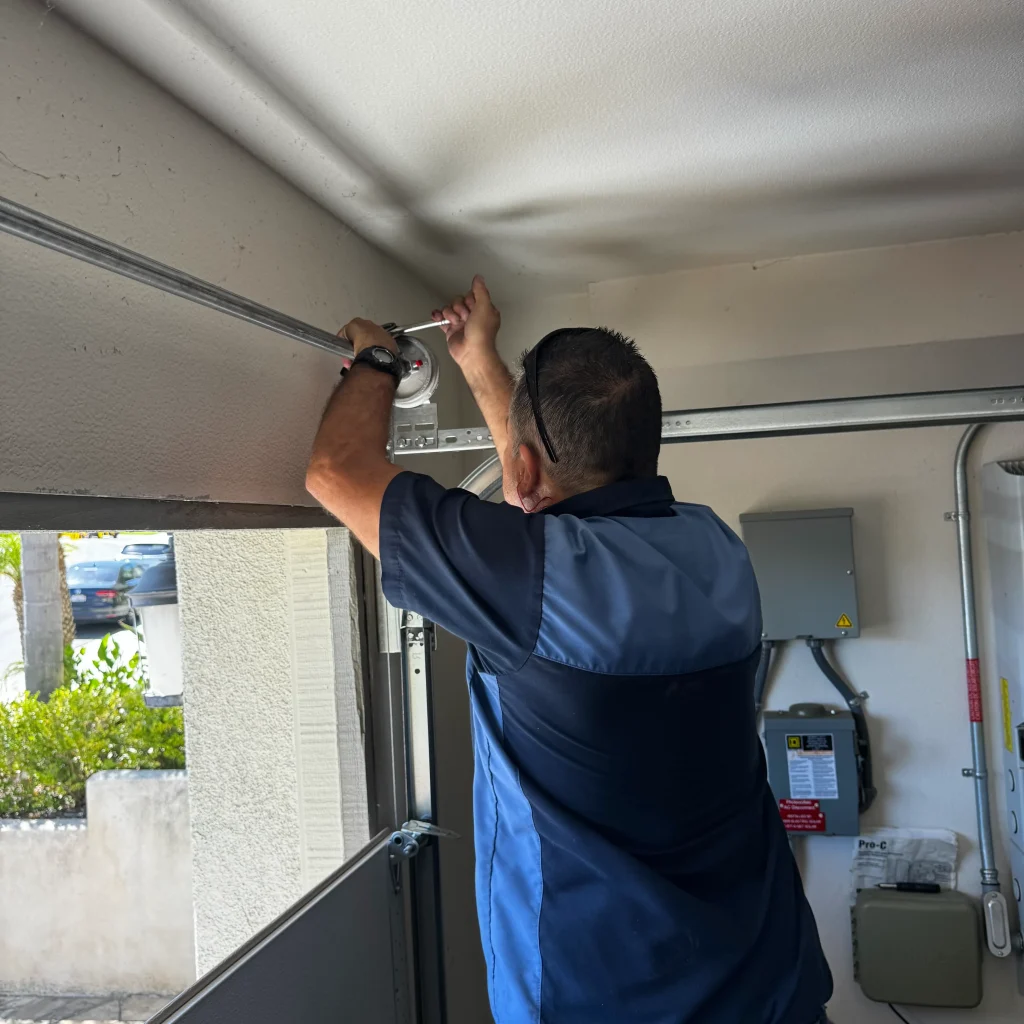
A garage door rarely fails without warning, and the signs covered above give homeowners a real framework for deciding what their situation actually calls for. Responding to those signs early protects against injury, rising repair costs, and the frustration of a door that keeps breaking down.
ADS Garage Doors & Gates brings hands-on experience assessing garage doors throughout San Diego and recommending the option that truly fits each home. Contact us or give us a call today, and our team will confirm whether a repair or a full garage door replacement makes the most sense for your situation.