
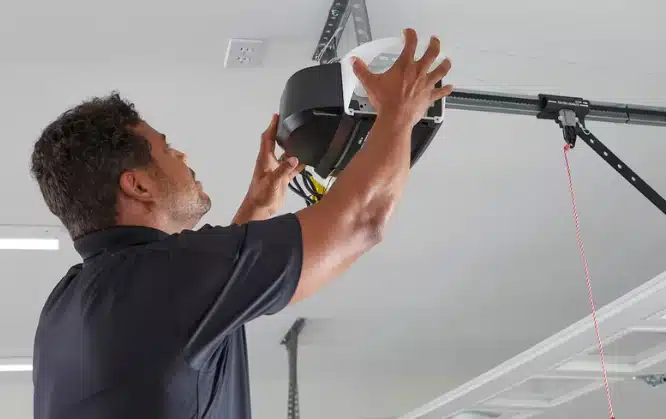
A garage door opener handles the full weight of the door cycle after cycle, and when something goes wrong, the entire system feels it. Garage door opener problems range from minor electrical hiccups to mechanical failures that stop the door from moving altogether.
Identifying these problems early helps ensure timely garage door repair and fewer disruptions to your daily routine. This guide breaks down the most common garage door opener problems, their causes, and what every homeowner should do when they arise.
Why Your Garage Door Opener Matters More Than You Think
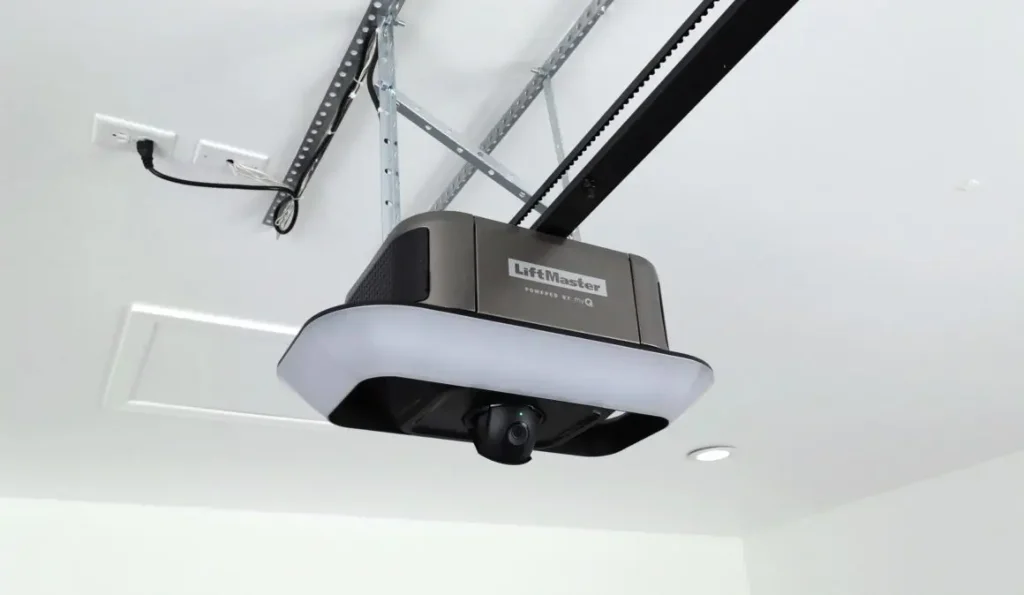
A garage door opener manages the full mechanical cycle of one of the heaviest moving parts in your home, and when it starts to fail, every connected component, from the springs to the sensors, feels the impact.
Key reasons why your garage door opener plays a critical role in your home include:
- A functioning opener controls the speed and force of every door cycle
- It activates the safety sensors that prevent the door from closing on people or objects
- It manages the balance between the motor power and the weight of your garage door
- Modern garage door openers include security features that protect against unauthorized access
- A properly working opener extends the lifespan of the springs, tracks, and other connected components
To understand how each part influences the condition of the full system, read our guide on How Garage Door Opener Parts Affect Repairs and Performance, which breaks down how components directly affect repair needs and performance.
What Are the Parts of a Garage Door Opener?
Knowing the parts of a garage door opener helps you understand where problems start and why certain repairs cost more than others.
Part | What It Does |
Motor Unit | Powers the entire opening and closing cycle using either AC or DC motors |
Drive System | Moves the door along the rail using a metal chain, rubber belt, or screw drive |
Trolley and Carriage | Connects the opener arm to the door and physically pulls or pushes it |
Safety Sensors | Detect obstructions near the bottom of the door and stop the cycle if something is in the way |
Remote Control and Wall Console | Send signals to the opener to activate the door using rolling code technology |
Logic Board | Controls every electronic function the opener performs, including alerts and timing |
Battery Backup | In California, all newly installed residential garage door openers are required to have battery backup capability to keep the door operational during power outages |
Damaged garage door opener replacement parts in any of these areas can affect how the entire system performs.
Top 10 Common Garage Door Opener Problems
Garage door opener problems range from simple fixes to mechanical failures that stop the door from working entirely.
# | Problem | What It Means |
1 | Weak or Dead Remote Batteries | Dead batteries are the most overlooked cause of a non-responsive remote, and the first thing to check before assuming a bigger problem |
2 | Misaligned Safety Sensors | Sensors that are dirty or out of alignment prevent the door from closing and trigger unexpected reversals |
3 | Locked Remote or Wall Button | An accidentally activated lock button on the wall console disables all remotes, keypads, and smartphone controls |
4 | Door Reverses Immediately After Closing | Incorrect travel limit settings or excessive spring resistance cause the opener to reverse before the door reaches the ground |
5 | Broken Gears or Sprockets | A grinding noise with no door movement points to failed internal gears, which is common in older opener models |
6 | No Power to the Unit | A completely unresponsive opener usually traces back to an unplugged unit, a tripped breaker, or a damaged logic board |
7 | Signal Interference | Competing electronic devices disrupt the opener’s radio frequency and can cause the door to activate on its own |
8 | Broken Torsion Springs | A snapped spring removes the counterbalance the motor depends on, making it impossible for the opener to lift the door |
9 | Strange Noises During Operation | Rattling, grinding, or squeaking during a cycle points to loose hardware, worn parts, or components that need lubrication |
10 | Broken Trolley or Carriage | A failed trolley or carriage breaks the mechanical link between the motor and the door, causing the motor to run with no movement |
Recognizing which problem you are dealing with is the first step toward getting the right garage door opener repair done correctly.
What Causes These Garage Door Opener Problems?
Understanding what drives garage door opener problems helps homeowners catch issues before they affect the full system.
Common root causes behind most opener failures include:
- Worn-out gears, springs, and rollers lose their ability to function properly over time
- Skipped lubrication and alignment checks accelerate wear across the entire system
- Aging openers tend to have multiple parts failing at the same time
- Coastal humidity and salt air in San Diego speed up corrosion on mechanical components
- Incorrect setup or poor-quality parts put uneven stress on the system
Knowing what drives these problems makes it easier to address the issue at the source rather than treating only the symptoms.
How Do These Problems Affect Repair and Replacement Costs?
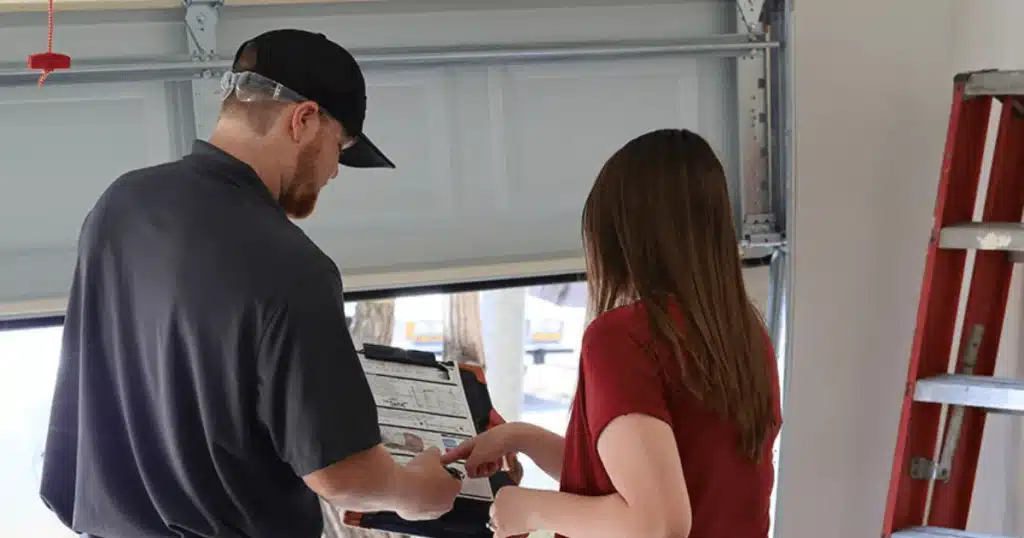
The type and severity of a garage door opener problem directly determine the cost of repair or replacement.
Here is how each common problem impacts repair and replacement costs:
- Broken springs and motor failures rank among the most expensive repairs due to parts and labor
- Sensor misalignment and remote issues are the most affordable to resolve
- Worn gears and trolley failures often require partial system replacement rather than a simple part swap
- Logic board damage from power issues or surges carries a higher repair cost than most expect
- Ignored problems pull more components into the repair scope over time
Knowing how each problem affects the overall cost helps homeowners make informed decisions about repair and replacement.
Troubleshooting and Solutions for Common Opener Issues
Before calling a technician, there are a few basic checks that can help identify what is going on with your garage door opener.
Common troubleshooting steps that address the most frequent opener issues include:
- Check the LED indicator lights on both sensors and reposition any unit showing a blinking light
- Replace batteries in the remote and keypad before assuming the opener has malfunctioned
- Pull the emergency release cord to determine if the issue is with the door or the opener motor
- Adjust the travel limit screws on the motor unit to fix a door that reverses before reaching the ground
- Apply lubricant to the rollers, hinges, and drive system to reduce noise and friction
Persistent issues after these checks are a strong signal that the opener needs a professional inspection to identify the underlying problem.
When to Call a Professional for Garage Door Opener Repair or Replacement
Certain garage door opener problems require professional expertise to diagnose and resolve correctly.
Situations that call for professional garage door opener repair or replacement include:
- Broken torsion springs require specialized tools due to the tension involved
- A motor running with no door movement points to trolley or carriage failure
- Repeated circuit breaker trips signal wiring or logic board issues
- Visible damage, like burned wiring or cracked housing, requires part-level assessment
- A battery backup unit that no longer holds a charge needs immediate replacement
To figure out whether your situation calls for a repair or a full replacement, read our guide on When to Repair or Replace Garage Door Opener Parts, which covers the key factors that determine the right course of action.
How to Keep Your Garage Door Opener Running Longer
Consistent garage door maintenance is the most effective way to extend the life of your opener and avoid unexpected failures.
Key habits that keep a garage door opener running longer include:
- Check sensor indicator lights monthly to confirm alignment and functionality
- Lubricate rollers, hinges, and the drive system at least twice a year
- Inspect hardware, including bolts, brackets, and the door arm, for looseness regularly
- Schedule a professional tune-up once a year to catch wear before it affects operation
- Replace aging parts before they fail completely, rather than waiting for a breakdown
To build a complete maintenance routine that covers every component of your system, read our guide on How to Maintain Garage Door Opener Parts, which outlines the steps to keep the system in peak condition.
Get to the Bottom of Your Garage Door Opener Problems Before They Worsen
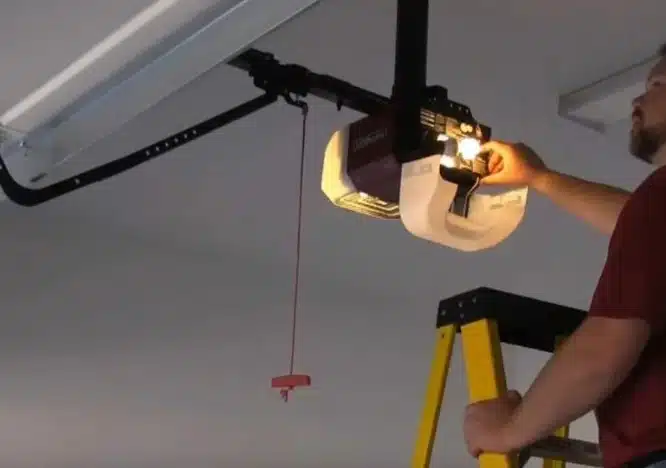
Garage door opener problems give off warning signs long before a full breakdown occurs, and recognizing those signs early puts you in control of the outcome. Every problem covered in this guide has a solution, and acting on it promptly keeps the entire system performing at its best.
ADS Garage Doors & Gates specializes in helping San Diego, CA, homeowners diagnose and resolve all types of garage door opener problems through thorough inspections and professional service. Contact us or give us a call today, and let our team identify exactly what your opener needs to restore full functionality.