
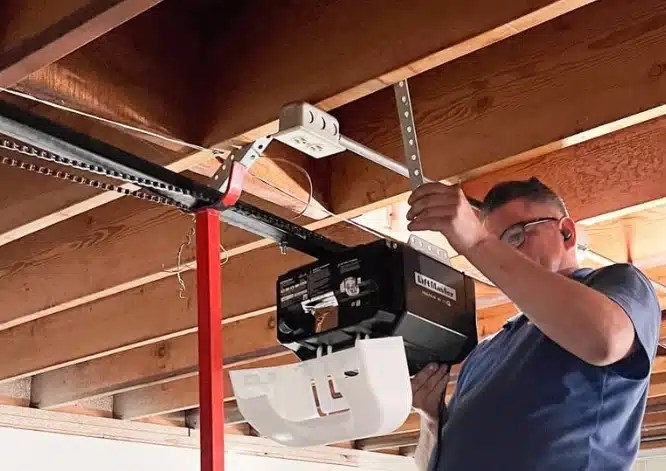
Garage door opener parts wear down over time, and the line between a repair that makes sense and a replacement that saves more money is not always obvious. Making the wrong call can cost you more than you planned and leave your system in worse shape than before.
Knowing when to repair or replace your garage door opener parts comes down to understanding what each warning sign actually means. A garage door repair can solve the problem completely in some cases, but in others, a full replacement is the smarter, more cost-effective option.
Why It Matters to Know When to Repair or Replace
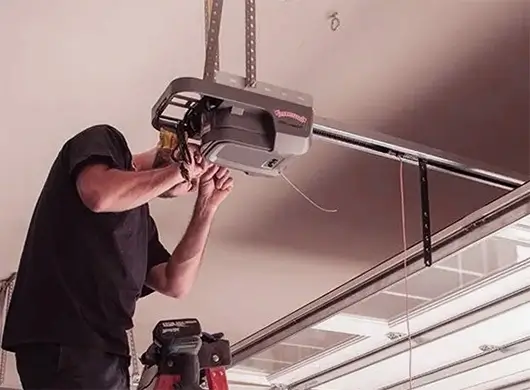
Garage door opener parts do not fail without reason, and every ignored warning sign gradually puts more strain on the surrounding components until a minor issue becomes a much larger, more expensive problem.
Key reasons why this decision matters include:
- Delayed repairs increase the load on the motor and drive system.
- A malfunctioning opener compromises your home’s security.
- Repeated short-term fixes often cost more than a well-timed replacement.
- Identifying the problem early gives you more options and better control.
- Acting at the right time protects the springs, cables, and connected components.
To see how each part directly affects repair needs and system longevity, read our guide on How Garage Door Opener Parts Affect Repairs and Performance, which explains how components shape the overall condition of your opener.
Common Garage Door Opener Problems and Warning Signs
Recognizing the early warning signs of a failing garage door opener gives you the best chance of addressing the issue before more components are affected.
Common warning signs to watch for include:
- Grinding or rattling noises indicate a worn gear, a loose chain, or a failing drive system.
- A door that stops, slows, or reverses signals a sensor or motor issue.
- A remote or keypad that stops responding may indicate a circuit board or signal problem.
- Visible rust, frayed cables, or cracked rollers are signs that parts are past their service life.
- An opener that works sometimes but not others points to an electrical or wiring fault.
To learn what each of these issues means for your system, read our guide on What Are Common Garage Door Opener Problems?, which covers the most frequent failures homeowners encounter and what they mean for your opener.
What Are the Parts of a Garage Door Opener Most Prone to Wear
Understanding which garage door opener parts wear out the fastest helps you spot problems earlier and make better decisions about repair or replacement.
Part | Why It Wears Out |
Motor Unit | Powers every cycle and weakens over time with heavy use |
Drive System | Chain, belt, and screw mechanisms stretch and degrade with regular operation |
Safety Sensors | Accumulate dirt and shift out of alignment, affecting door response |
Circuit Board | Electrical components fail due to age, power surges, and moisture |
Springs and Cables | Bear the full weight of the door and weaken under constant tension |
Trolley Assembly | Slides repeatedly along the rail and wears down the carriage mechanism |
Remote and Keypad | Exposed to daily handling and outdoor elements that cause signal and button failure |
Identifying which parts fail first makes every garage door opener repair discussion with a professional more productive.
When Repairing a Garage Door Opener Makes Sense
Sensor Misalignment and Minor Adjustments
Sensor issues are among the most common garage door opener repair calls technicians handle, and most are resolved without replacing the entire unit.
Watch for these sensor warning signs:
- Opener lights blink repeatedly when a close command is sent.
- One sensor light stays steady while the other flickers or stays off.
- Closing attempts fail consistently, while opening still works normally.
- Wiping the sensor lens with a dry cloth often restores normal operation.
- Repositioning the sensors so they face each other directly resolves most alignment faults.
Sensor repairs are straightforward fixes that restore full opener function without touching the motor or drive system.
Broken Gear or Chain Issues
Drive system problems are a frequent reason homeowners call for garage door opener repair, and an isolated gear or chain issue rarely requires a full unit replacement.
Signs the drive system needs attention include:
- Grinding sounds during operation point to a stripped or worn drive gear.
- Visible slack in the chain means tension has loosened beyond the normal range.
- Jerky door movement during a cycle signals wear in the drive system.
- Replacing the stripped gear restores smooth power transfer from the motor to the door.
- Tightening or replacing the chain resolves most drive-related noise complaints.
Targeted drive system repairs extend the life of the opener without the expense of a full replacement.
Remote and Keypad Fixes
Many garage door opener problems that seem major turn out to be minor control issues that a technician can resolve in a single visit.
Common remote and keypad issues to check include:
- Dead batteries are the most frequent cause of a non-responsive opener.
- Reprogramming the remote restores communication when signal pairing is lost.
- Worn keypad buttons stop registering input after prolonged exposure to the outdoors.
- Nearby electronics can block the remote signal from reaching the receiver.
- Replacing a faulty keypad costs far less than a new opener unit.
Control issues are among the quickest and most affordable repairs available for any garage door opener system.
Worn Rollers and Hinges
Rollers and hinges take on significant daily stress, and replacing them is one of the most cost-effective repairs for any garage door opener system.
Key indicators that rollers and hinges need attention include:
- Noisy or rough door movement points to rollers that no longer glide smoothly.
- Wobbling during operation indicates that the rollers have cracked or worn unevenly.
- Loose hinges cause door panels to shift, putting extra strain on the motor.
- Replacing worn nylon or steel rollers dramatically improves the quietness of the door’s operation.
- Addressing hinge wear protects the integrity of the full door panel structure.
Roller and hinge replacement restores smooth operation and reduces the motor’s load during each cycle.
When Replacing Your Garage Door Opener Parts Is Necessary
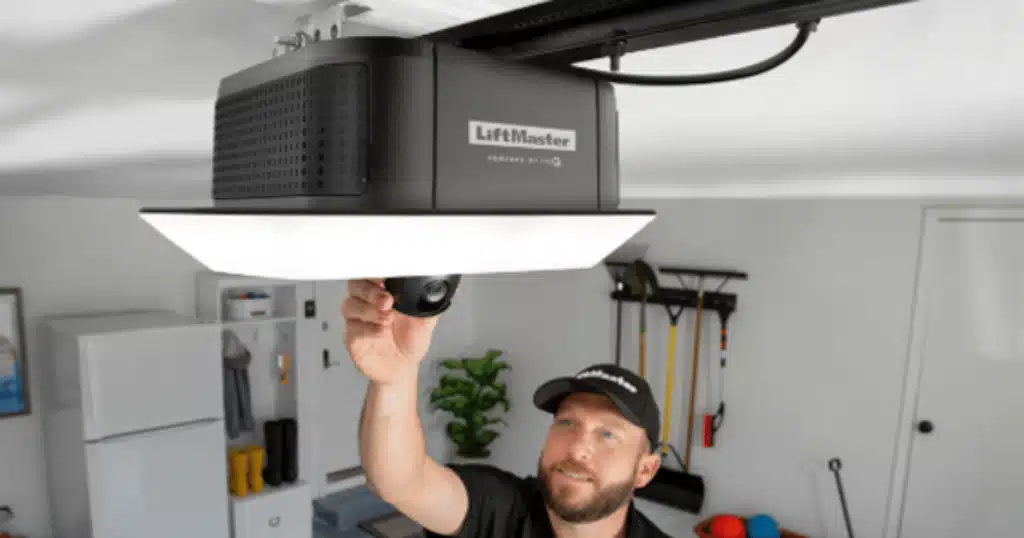
Opener Age Between 10 to 15 Years
Most garage door openers reach the end of their service life between 10 and 15 years, and running an aging unit means accepting performance and safety compromises.
Signs that age is affecting your opener include:
- Units over 10 years old lack safety features standard on current models.
- Replacement parts for discontinued models become harder to source.
- Older AC motors run louder and consume more energy than DC motor units.
- Worn internal components cause slower response times and inconsistent operation.
- Age-related degradation affects the circuit board, drive system, and motor at once.
Upgrading an aged unit gives San Diego homeowners access to modern security features, quieter operation, and stronger long-term performance.
Frequent Repairs Throughout the Year
Repeated service calls within a single year indicate that individual repairs no longer address the root cause of the unit’s condition.
Patterns that signal a replacement is overdue include:
- More than one repair call per year signals failure across multiple components.
- Recurring issues with the same part after a recent repair point to system fatigue.
- Accumulated repair costs often exceed the price of a new unit.
- Each failed component puts additional strain on parts not yet serviced.
- New openers come with a manufacturer’s warranty covering parts and labor.
Frequent repairs are a clear sign that scheduling a new garage door opener installation is the more practical decision.
Missing Safety Features on Older Units
Older garage door openers were not built to meet current safety standards, and continuing to operate one puts everyone who uses the garage at risk.
Critical safety gaps found in older units include:
- Photo-eye sensors required after 1993 may be absent on older models.
- Auto-reverse functionality is standard on modern openers but absent on older units.
- California law requires battery backup on all new garage door openers, and older units without this feature must be replaced.
- Rolling code technology is missing on older remote systems.
- Smartphone alerts for unexpected door activity are exclusive to modern openers.
Replacing an outdated unit is the only way to bring a garage door system up to current safety standards.
Persistent Noise and Severe Vibrations
Noise and vibrations that return after repairs signal that the motor or drive system has deteriorated beyond what part replacements can fix.
Replacement indicators related to noise and vibration include:
- Severe vibrations signal internal motor wear that targeted repairs cannot resolve.
- Persistent grinding after a gear replacement points to broader mechanical deterioration.
- Excessive shaking puts stress on the tracks, springs, and connected panels.
- Noise that worsens after each repair cycle confirms an overall decline in the system.
- Rattling throughout the full open-and-close cycle indicates stress in the drive system.
Persistent noise and vibration confirm that the unit has reached the end of its dependable service life.
Repair Costs That Exceed Replacement Value
When a single repair estimate approaches or exceeds half the cost of a new unit, replacing the garage door opener becomes the more financially sound decision.
Cost-based replacement indicators include:
- Motor or circuit board replacements on older units rarely justify the investment.
- Multiple-part failures in a single inspection signal a decline in the system as a whole.
- New opener installations include manufacturer warranties covering parts and labor.
- Modern units built with DC motors outlast repaired older systems by years.
- Repair costs that keep climbing with each visit confirm the unit has no service life left.
Repair estimates that approach the replacement value serve as a benchmark for professionals advising homeowners on the most practical path forward.
Key Considerations Before You Decide
Making an informed decision between repair and replacement starts with evaluating the full condition of your garage door opener, not just the part that failed.
Key factors to weigh before deciding include:
- The unit’s age determines whether repair or replacement offers greater long-term value.
- Repair costs that approach the price of a new opener make replacement the smarter investment.
- Missing safety features on older units, including the absence of battery backup required under California law, are a strong reason to upgrade.
- San Diego’s coastal climate accelerates wear on metal and rubber components.
- Modern openers offer battery backup, smartphone alerts, and rolling code technology.
Reviewing each of these factors with a professional gives you the clearest picture of where your system stands and what decision makes the most sense for your home.
Why Professional Garage Door Service Is the Smarter Choice
Garage door opener problems are rarely simple, and a trained technician brings the diagnostic expertise needed to accurately identify the full scope of the issue.
Reasons why professional service is the smarter choice include:
- Trained technicians identify underlying issues not visible during a basic inspection.
- Professionals carry the right tools and parts to resolve most issues in a single visit.
- Expert assessment prevents repeat service calls from incomplete diagnoses.
- Local San Diego technicians understand how coastal conditions affect opener components.
- Professional service ensures any repair or replacement meets current safety standards.
Working with a qualified technician gives you an accurate picture of your system and a clear path toward the right decision.
How Maintenance Helps You Avoid Costly Repairs
Regular maintenance keeps every part of a garage door opener in working condition and reduces the likelihood of unexpected breakdowns.
Key maintenance habits that protect your opener include:
- Lubricating the chain, rollers, and hinges twice a year reduces friction and wear.
- Testing the auto-reverse function monthly confirms the safety sensors are responding correctly.
- Inspecting cables and springs every few months catches tension and fraying issues early.
- Keeping sensor lenses clean prevents false signals and unnecessary reversals.
- Scheduling a professional inspection once a year helps keep the entire system properly maintained.
To explore the full range of maintenance practices that extend the life of your system, read our guide on How to Maintain Garage Door Opener Parts, which covers every routine task that keeps your opener performing at its best.
Know When to Repair or Replace Your Garage Door Opener Parts With Expert Help
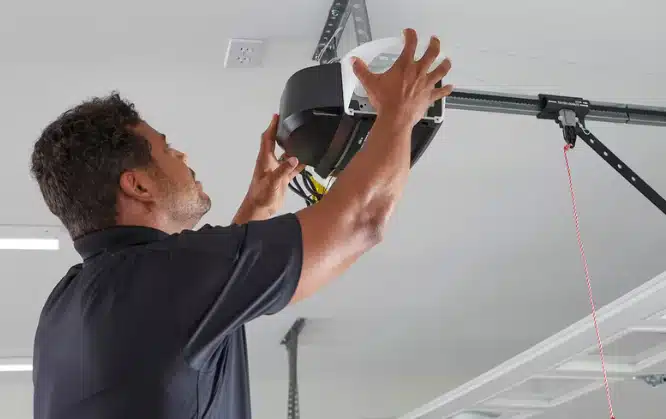
Every garage door opener reaches a point where the right call between repair and replacement determines how well your system performs and how long it lasts. Recognizing the warning signs early and acting on them gives San Diego homeowners a clear advantage in protecting their home and managing costs.
ADS Garage Doors & Gates brings hands-on experience with all types of garage door opener parts and configurations, and our team is committed to providing every homeowner with an honest assessment and practical solutions. Contact us or give us a call today, and let our team evaluate your system and walk you through all available options.