
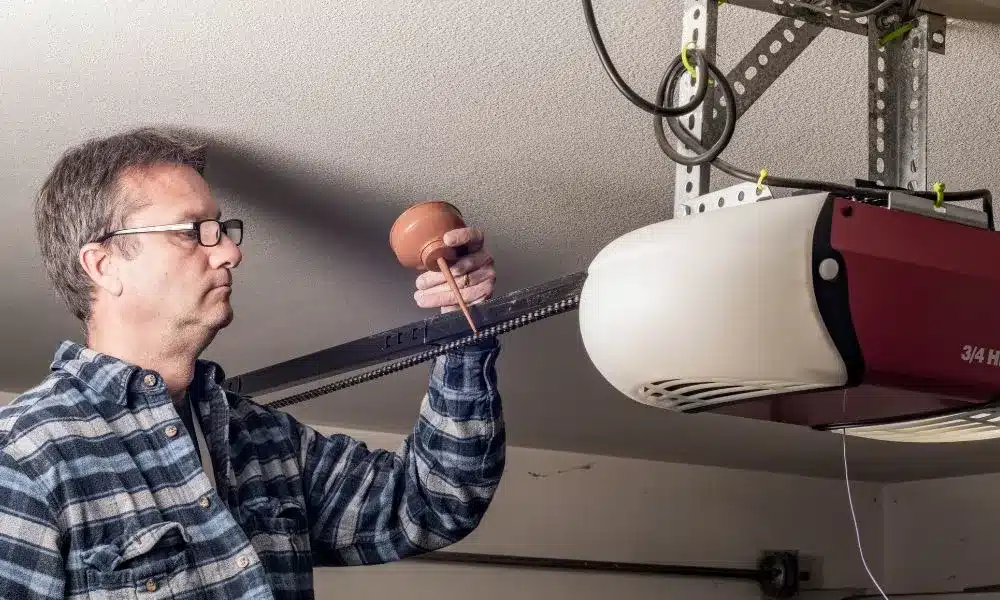
The parts inside a garage door opener work together as one system, and when even one component is neglected, the entire opener feels the impact. Knowing how to maintain garage door opener parts keeps the system balanced, quiet, and working properly every time the door moves.
Understanding each part and knowing what to watch for helps homeowners avoid unnecessary garage door repair down the line. Every component has a specific role in the overall system, and giving each one the proper attention it needs is what keeps the entire opener performing at its best for years to come.
Why Does Your Garage Door Opener Need Regular Maintenance?
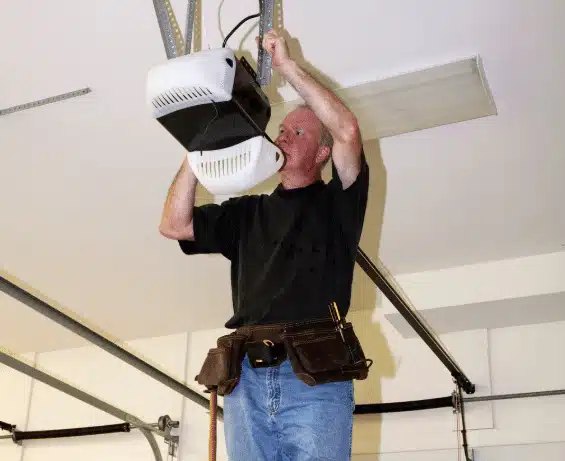
A garage door opener handles hundreds of open and close cycles every year, and without regular attention, the stress from each cycle builds up across the system until it starts to break down.
Key reasons why regular maintenance matters include:
- Moving parts like rollers, hinges, and drive components wear down faster without proper lubrication.
- Safety sensors collect dust and debris that interfere with their ability to detect obstructions.
- Hardware such as bolts and brackets loosen gradually due to vibrations from daily operation.
- Springs and cables develop wear that is only visible during a close inspection.
- The motor unit works harder when other components are not functioning at their best.
To understand how each part directly affects repair needs and system longevity, read our guide on How Garage Door Opener Parts Affect Repairs and Performance, which explains how individual components shape the overall condition of your opener.
What Are the Parts of a Garage Door Opener You Should Always Check?
Knowing what the parts of a garage door opener are gives you a clear picture of what needs attention and why each component matters to the overall system.
Part | Role |
Belt, Chain, or Screw Drive | Moves the trolley along the rail to open and close the door |
Safety Sensors and Photo Eyes | Detects obstructions and prevents the door from closing on people or objects |
Rollers, Tracks, and Hinges | Guides the door along its path and keeps the movement smooth and aligned |
Springs and Cables | Counterbalances the weight of the door to support every open and close cycle |
Motor Unit and Control Board | Powers the entire system and processes all commands from remotes and keypads |
A problem with any one of these parts affects how the entire garage door opener performs and how often garage door opener repair becomes necessary.
How to Maintain Your Garage Door Opener Parts the Right Way
Lubricate Moving Parts Properly
Proper lubrication reduces friction and extends the life of every moving part in your garage door opener.
Proper lubrication includes:
- Silicone-based lubricant or white lithium grease works best on hinges, rollers, and springs
- Roller stems and hinge pivot points need direct application
- Chain drive systems require lubricant applied along the metal chain
- Belt drives only need lubrication on the metal rail, never on the rubber belt
- Wiping off excess lubricant prevents dirt from sticking to treated parts
Correct product selection and consistent application keep every part moving freely throughout its full lifespan.
Clean and Inspect Tracks and Sensors
Dirty tracks and misaligned sensors are among the most overlooked causes of performance issues with garage door openers.
Keep tracks and sensors in good condition by:
- Wiping the inside of the tracks with a dry cloth removes built-up dirt
- Vacuuming loose debris from the track surface prevents roller obstruction
- Cleaning the photo eye lenses with a soft cloth keeps the sensor beam accurate
- Solid LED indicator lights on both sensors confirm proper alignment
- Inspecting mounting bolts and brackets catches loosening hardware early
Clean tracks and aligned sensors give your garage door opener a stable foundation for consistent performance.
Test Safety and Security Features
Regular testing confirms that every built-in safety and security feature on your garage door opener is working as designed.
Key tests to perform regularly:
- A piece of wood placed in the door path tests the auto-reverse system
- Manual door lift to waist height checks whether the door holds its position
- Unplugging the motor unit confirms battery backup operation
- Keypad, remote, and smartphone app testing verifies all access points respond
- Rolling code technology should update automatically after each use
Routine safety testing gives homeowners confidence that every protection feature is ready when it matters most.
Optimize Remote Components and Controls
Remote components and controls are the most frequently used parts of any garage door opener, and regular garage door maintenance keeps them reliable.
Areas to review during routine maintenance:
- Remote and keypad batteries need replacement at least once a year
- Access codes should be updated periodically for stronger garage door security
- Emergency release handle position must remain accessible at all times
- Smartphone app settings should reflect current closing notification preferences
- Keypad cover and remote casing must be free of cracks and moisture entry points
Well-maintained remote components keep every access point on your garage door opener working without interruption.
How Often Should You Maintain Your Garage Door Opener Parts?
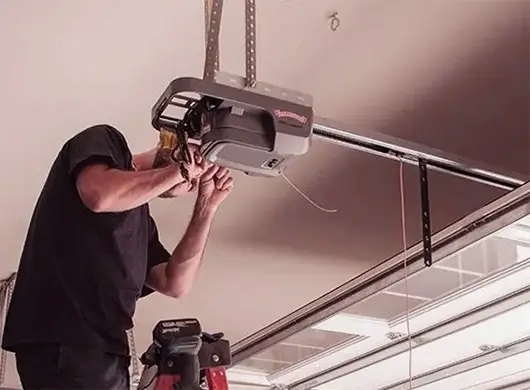
Each part of your garage door opener wears at a different rate, and knowing the right maintenance frequency keeps the entire system running without interruption.
Component | Action | Frequency |
Rollers and Hinges | Lubricate with silicone or lithium grease | Every 6 months |
Drive Chain or Belt | Lubricate | Every 6 to 12 months |
Sensors | Clean and align | Monthly |
Door Balance | Test with manual operation | Monthly |
Safety Reverse | Test with the block method | Monthly |
Remote Batteries | Replace | Yearly |
Mounting Hardware | Tighten bolts and screws | Yearly |
Following this schedule gives every garage door opener part the attention it needs before wear can affect overall system performance.
What Happens When Garage Door Opener Maintenance Is Neglected?
Skipping maintenance on your garage door opener puts every connected part under unnecessary stress that compounds with every cycle.
Neglecting maintenance leads to:
- Dry rollers grind against the tracks and damage both surfaces over time
- Loose bolts and brackets cause the system to shift out of alignment
- Dirty sensors trigger false stops and reversals during normal operation
- Worn springs and cables develop stress points that increase the risk of sudden failure
- A motor working against neglected parts burns out well before its expected lifespan
To learn how neglect connects to the most frequent performance issues owners face, read our guide on What Are Common Garage Door Opener Problems?, which covers the most common signs that a system needs attention.
The Advantages of Professional Garage Door Opener Maintenance
Professional maintenance covers every component of your garage door opener at a level that routine visual checks cannot match.
Advantages of professional maintenance include:
- Trained technicians inspect every part from the motor unit to the springs and drive system
- Precision lubrication is applied to the right components using the correct products
- Hardware tightening covers every bolt, bracket, and mounting point throughout the system
- Safety sensors are calibrated and tested with proper tools for accurate alignment
- Early detection of worn garage door opener parts prevents larger issues from developing
Professional garage door service gives San Diego homeowners full confidence in their opener, from routine maintenance to a new garage door opener installation.
When Maintenance Is No Longer Enough for Your Garage Door Opener Parts
Some garage door opener problems go beyond what routine maintenance can address, and knowing the difference between repair and replacement leads to better decisions.
Situation | What It Means | Best Action |
Grinding or straining sounds during operation | Drive component or motor is working harder than it should | Repair |
Door responds slowly to the remote or the keypad | Control board or wiring connection issue | Repair |
Minor sensor or limit switch issues | Calibration or alignment is off | Repair |
Opener is 10 to 15 years old or older | System is approaching the end of its lifespan | Replace |
Frequent breakdowns within a short period | Overall system is no longer performing consistently | Replace |
Outdated technology with no smart features | Opener lacks modern security and connectivity | Replace |
Battery backup system is absent or no longer functioning | California law requires all new garage door openers to have battery backup capability | Replace |
Garage door opener repair parts are no longer available | Components are discontinued and cannot be sourced | Replace |
To find out how worn parts lead to bigger repair decisions, read our guide on When to Repair or Replace Your Garage Door Opener Parts, which walks through the key indicators that tell you when repair is no longer the practical choice.
Maintain Your Garage Door Opener Parts the Right Way
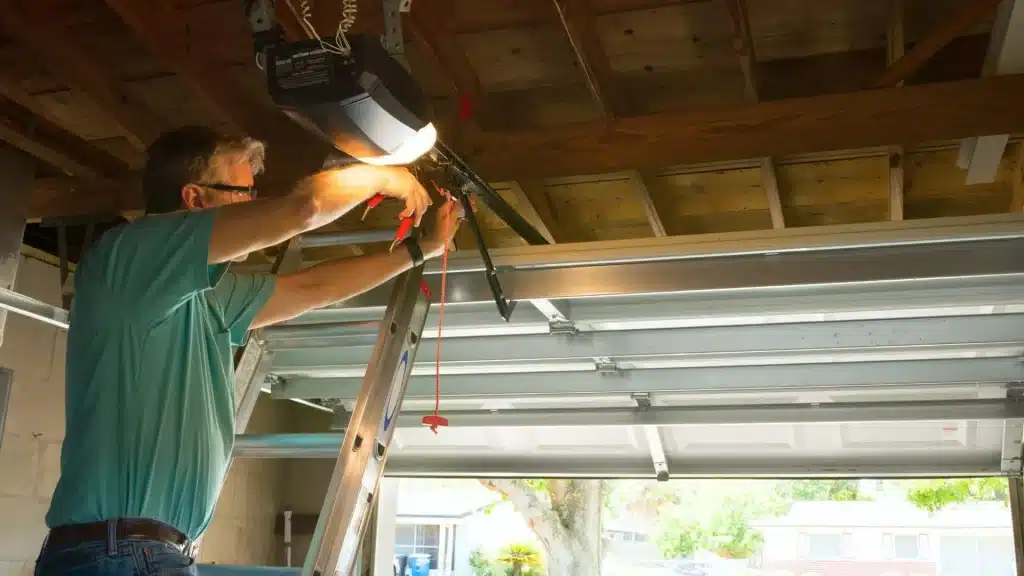
Every garage door opener is built from individual parts that each carry a specific role in the system, and giving each one consistent attention is what keeps the entire opener performing at its best. Knowing what to inspect, when to act, and what to watch for puts every San Diego homeowner in a better position to protect their investment.
At ADS Garage Doors & Gates, we have been helping San Diego homeowners get the most out of their garage door opener parts through honest inspections, accurate diagnostics, and dependable garage door service. Contact us or give us a call today, and let our team assess what your system needs to keep every part running at its best.