
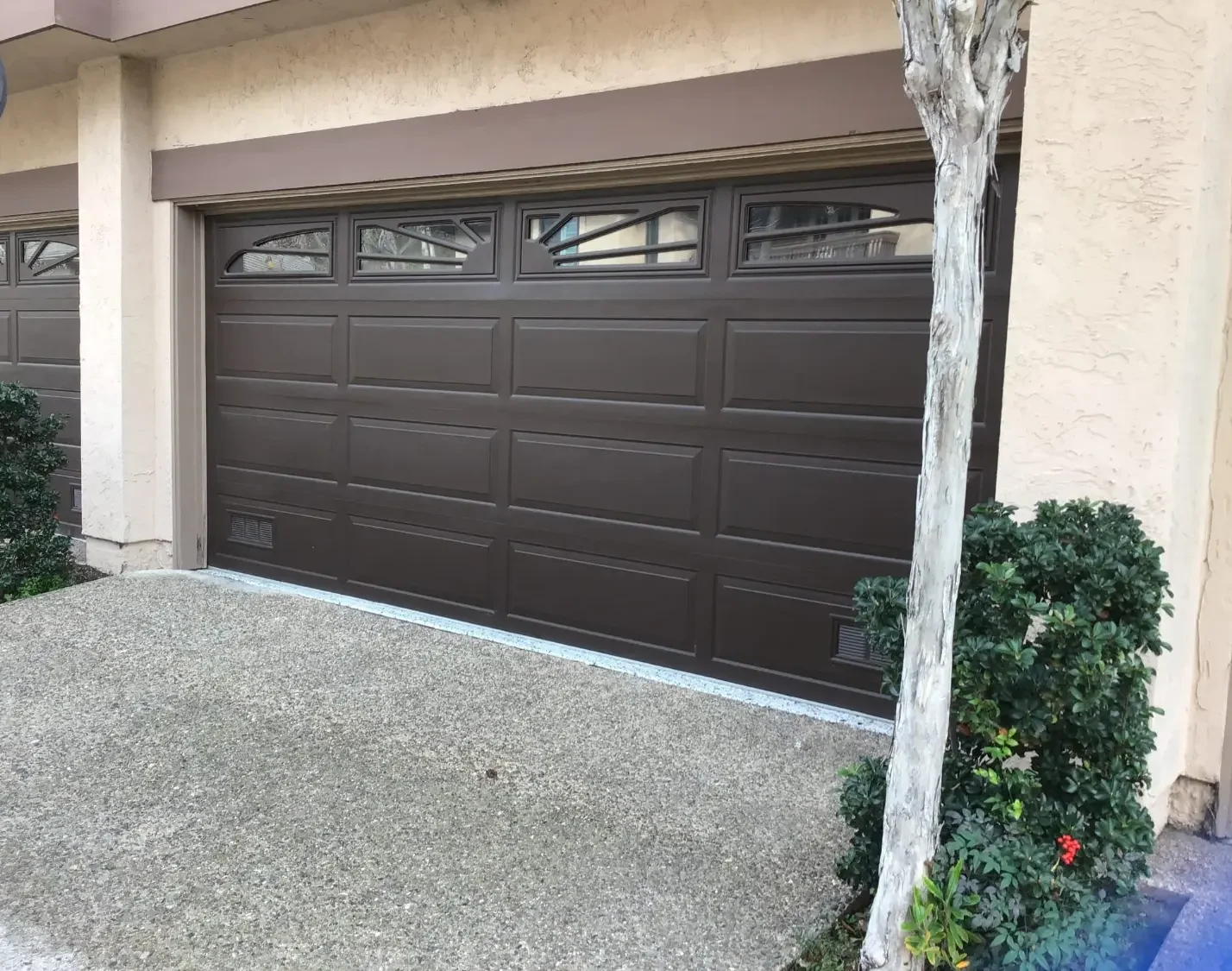
Annual garage door maintenance covers every working part of the door system, from springs and cables down to weather seals and safety sensors. Each component gets professionally evaluated, serviced, and tested during a single comprehensive visit to confirm the entire system is performing correctly.
Garage door maintenance follows a detailed checklist that moves through mechanical parts, lubrication, opener performance, and weatherproofing in a specific order. Each section targets a different area of the system to catch potential issues before they lead to unexpected breakdowns.
Is Annual Garage Door Maintenance Really Worth It?
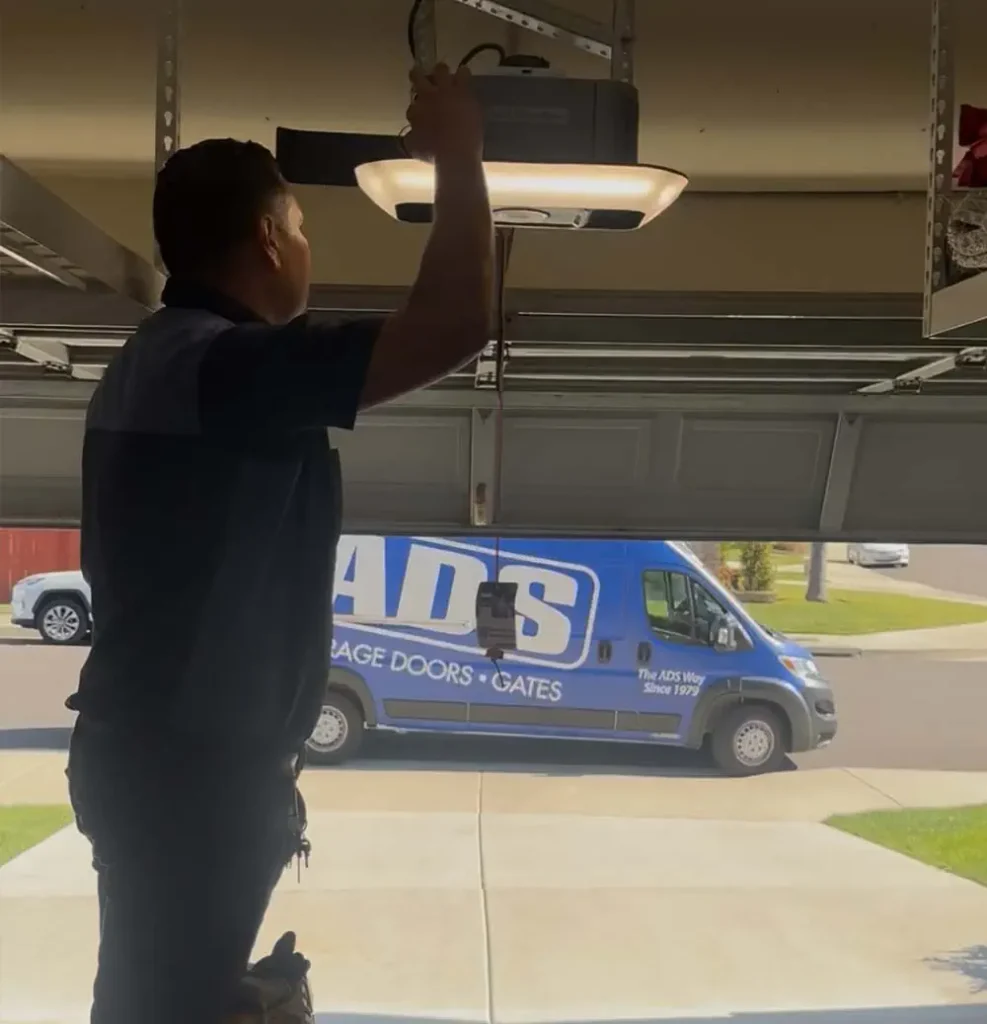
Every cycle a garage door completes puts stress on the springs, cables, rollers, and opener, and that accumulated wear will eventually force an emergency call that costs far more than a scheduled visit would have.
The benefits of one annual visit include:
- Detects worn springs and cables before a breakdown occurs
- Lubricates moving parts to reduce friction and extend component life
- Verifies safety features are functioning correctly on every cycle
- Tightens loose hardware before it develops into a costly repair
- Adds years to the overall life of the door system through routine adjustments
To understand the full value this service adds to a home, read our guide on What Are the Benefits of Annual Garage Door Maintenance?, which covers every advantage of keeping a garage door on a professional service schedule.
What Does a Complete Garage Door Maintenance Checklist Include?
Mechanical Inspection
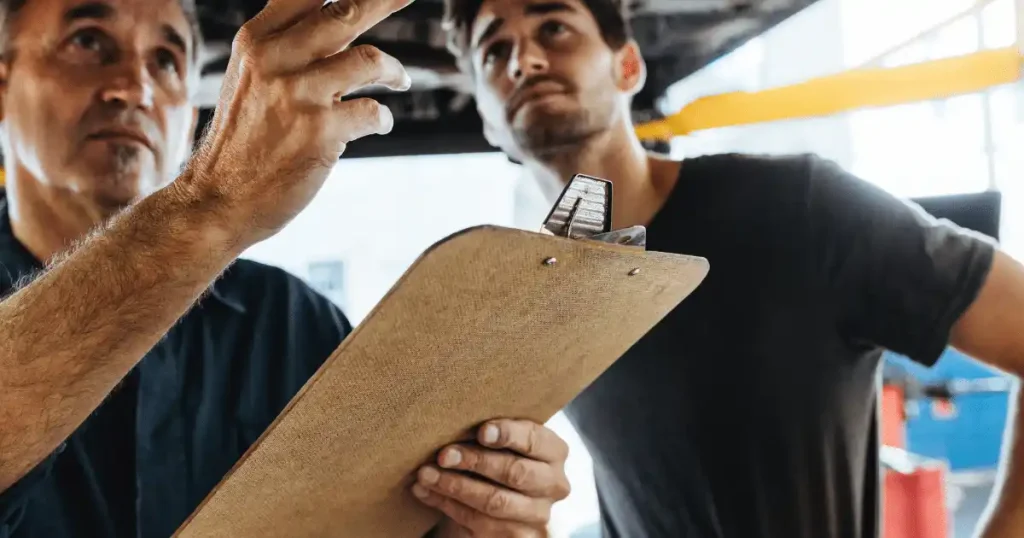
Springs, cables, rollers, and fasteners each get a hands-on evaluation during every professional maintenance visit.
Mechanical components checked during every visit include:
- Torsion springs examined for rust, deformation, and wear
- Lift cables inspected for fraying at the drum, bracket, and full length
- Rollers evaluated for chips, flat spots, and track alignment
- Tracks cleared of debris and checked for bends or loose brackets
- Loose bolts and fasteners tightened throughout the door
Scheduled visits keep springs and cables performing reliably and reduce the need for an unplanned garage door spring repair.
Garage Door Weight Verification and Spring Calibration
Copying the old spring size without verifying the door’s actual weight is one of the most common shortcuts technicians take during a service visit.
Weight verification and spring calibration steps during the visit include:
- The door was weighed with a calibrated scale to capture the exact weight of all components
- Spring specs calculated from the actual measured weight, not the old spring
- Spring tension verified to confirm the door holds position at mid-travel
- Added insulation, hardware, or panels noted and factored into spring calibration
- Balance test performed to confirm the opener carries minimal dead weight
Precise weight verification confirms the installed springs match the door’s actual load and reduces the likelihood of premature spring failure between annual visits.
Lubrication and Tuning
Metal parts that run dry wear out faster and generate unusual noises that signal accelerating damage.
Lubrication and tuning tasks completed during the visit include:
- Hinges, rollers, and roller brackets coated with garage door lubricant
- White lithium grease applied to the spring system and bearing points
- Spray lubricant applied to the track to prevent dust buildup
- Balance test performed by disconnecting the door from the opener
- Spring tension adjusted if the door drifts at mid-travel
A properly lubricated and balanced door puts less strain on the opener motor and keeps every moving part within its intended performance range.
Opener and Safety Checks
Every garage door opener contains safety features designed to stop the door when something enters its path.
Opener and safety components tested during the visit include:
- Auto-reverse tested using a block of wood placed flat in the door’s path
- Photo-eye sensors cleaned, aligned, and tested for correct beam interruption
- Force limit settings adjusted if reversal sensitivity is off
- Emergency release cord tested to confirm manual operation works
- Backup battery verified for correct function during a power outage
Confirmed safety mechanisms and a properly calibrated opener reduce the chance of an avoidable garage door opener repair between annual visits.
Weatherproofing and Security
Coastal humidity and salt air in San Diego break down rubber and foam seals faster than in inland climates.
Weatherproofing and security items inspected during the visit include:
- Bottom seal checked for cracking, stiffness, and gap formation
- Perimeter weather stripping examined for tears and compression loss
- Side and top seals tested for consistent contact along the full frame
- Manual locks tested for smooth engagement and full security
- Smart opener security features reviewed for correct access control
Keeping weatherproofing components in good condition protects the garage interior and maintains home energy efficiency year-round.
Panel and Structural Condition
Daily exposure to sunlight, salt air, and physical contact puts consistent stress on door panels over time.
Panel and structural elements evaluated during the visit include:
- Each panel inspected for dents, cracks, warping, and seam separation
- Peeling paint on metal panels flagged as an early rust indicator
- Wood panels checked for moisture absorption and surface deterioration
- Panel alignment confirmed, so all sections move as one unit
- Roller bracket attachment points checked for stress cracks and loosening
Structurally sound panels distribute weight evenly and keep every mechanical component performing without triggering a garage door repair.
What Parts of a Garage Door Get Checked, Adjusted, and Replaced?
Every part of a garage door system gets evaluated during an annual visit to confirm nothing is worn, loose, or operating outside its normal range.
Part | What Gets Done |
Torsion Springs and Lift Cables | Inspected for wear, rust, and tension loss |
Rollers and Tracks | Checked for alignment, damage, and smooth movement |
Hinges and Fasteners | Tightened and examined for stress cracks |
Opener Motor and Drive System | Tested for strain, noise, and correct force settings |
Photo-Eye Sensors | Cleaned, aligned, and tested for accurate beam response |
Weather Seals and Bottom Seal | Checked for cracks, gaps, and compression loss |
Door Panels | Evaluated for dents, warping, peeling paint, and seam separation |
Parts that fail inspection get flagged for adjustment or replacement during the same visit to keep the entire door system in top condition.
What Happens During a Garage Door Tune-Up Service Visit?
A garage door tune-up service follows a structured process that covers every inspection, adjustment, and safety test in a single professional visit.
What happens during a garage door tune-up service visit includes:
- Initial visual and operational assessment of the door from both sides
- Door weighed with a calibrated scale, and spring specs verified against the actual door weight
- Spring tension adjusted if the balance test shows uneven lift on either side
- Hands-on lubrication of all moving parts using the correct products for each component
- Auto-reverse and photo-eye sensors tested and calibrated for correct safety response
- Final operational test performed and all findings reviewed with the homeowner
To get the most out of this service, read our guide on Who Should Perform Annual Garage Door Maintenance?, which covers what qualifications and experience to look for when hiring a professional technician.
How Much Does Garage Door Service and Maintenance Cost in San Diego?
Garage door service and maintenance costs in San Diego vary based on several factors that affect the scope of work needed during the visit.
Factors that influence the cost of a maintenance visit include:
- Age and condition of the door system at the time of service
- Type and brand of opener installed on the garage
- Number of components that require adjustment or replacement
- Proximity to the coast and the level of salt air exposure on metal parts
- Frequency of previous professional service visits
To find out how often this service should be scheduled, read our guide on How Often Should Annual Garage Door Maintenance Be Scheduled?, which breaks down recommended service intervals based on usage, age, and local climate.
Get a Complete Garage Door Maintenance Checkup From a Team That Covers Every Detail
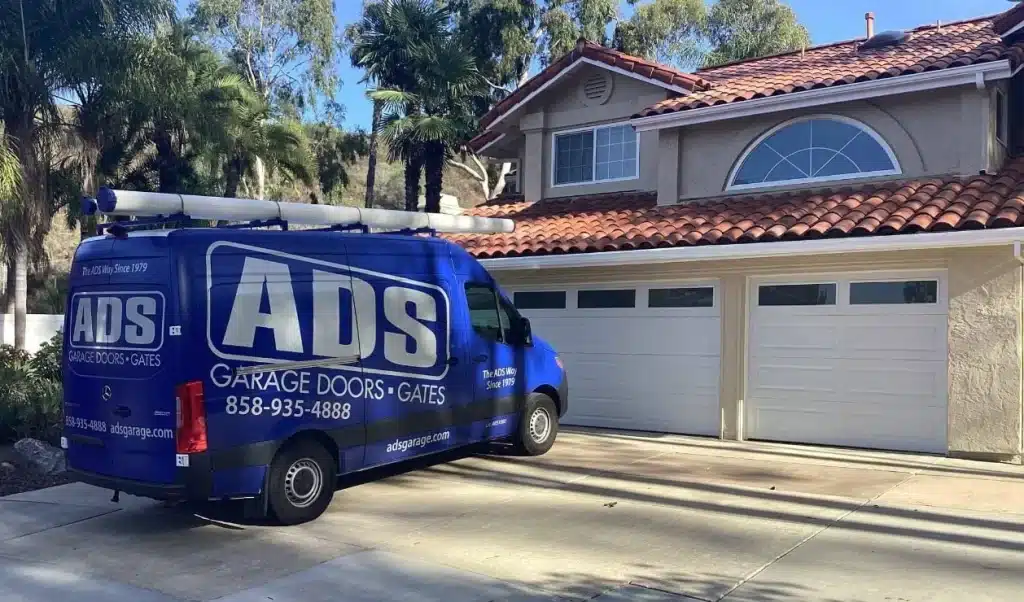
Annual garage door maintenance covers every mechanical, safety, and weatherproofing component that keeps a garage door operating correctly through years of daily use. Understanding what each part of the service includes helps homeowners make informed decisions about the care their door system needs every year.
ADS Garage Doors & Gates serves homeowners throughout San Diego, CA with thorough garage door maintenance that inspects, services, and tests every component on the door. Contact us or give us a call today, and let our team take care of every part of the door system from top to bottom.