
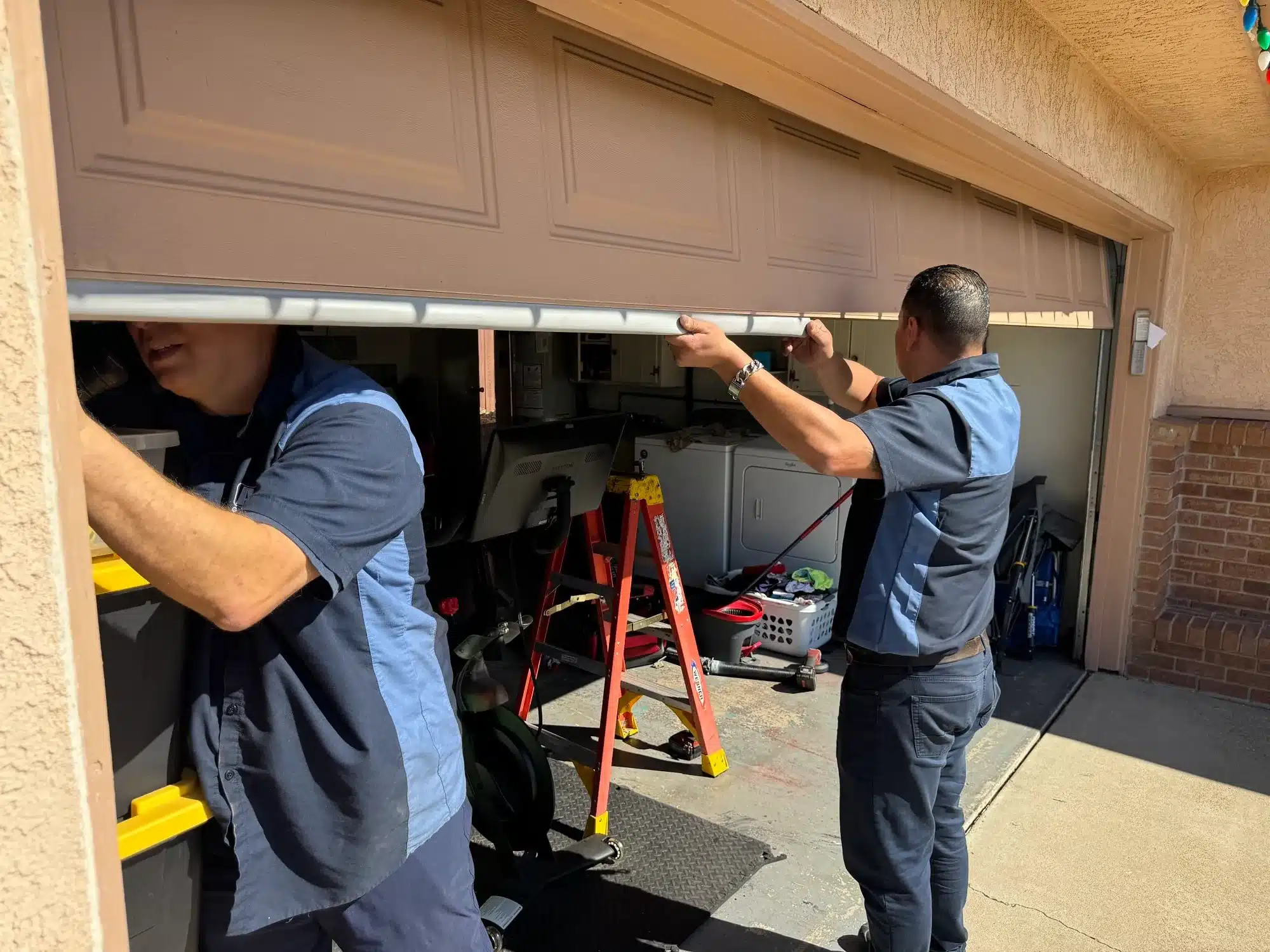
Annual garage door maintenance keeps every moving part of a garage door system in working condition and prevents small problems from turning into costly repairs. Skipping this service allows wear, misalignment, and damage to build up silently until a breakdown happens.
Garage door maintenance covers lubrication, hardware tightening, safety testing, and full system inspection in a single professional visit. Homeowners who schedule this service consistently get a longer-lasting door, lower repair costs, and a system that performs reliably in every season.
What Is Annual Garage Door Maintenance?
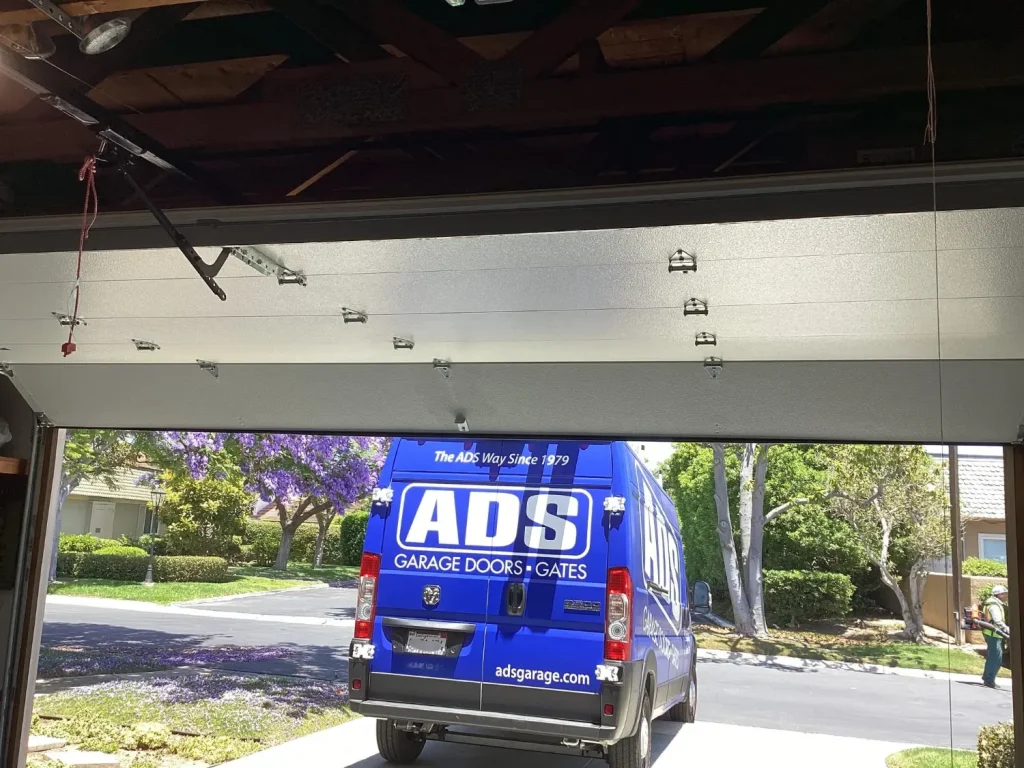
Annual garage door maintenance is a professional service that inspects and services every part of a garage door system before wear and damage can develop into bigger problems.
Key characteristics that define this service include:
- Scheduled once a year by a trained technician following a structured inspection process
- Built to catch hidden wear before it turns into a visible and costly problem
- Designed to prevent breakdowns rather than respond to them after they occur
- Covers all residential door types, including sectional, roll-up, and swing-out configurations
- Guided by a structured checklist so every component is assessed, and nothing is missed
To understand every task a technician performs during this service, read our guide on What Does Annual Garage Door Maintenance Cover?, which breaks down each step of a complete annual inspection.
Why Does a Garage Door Need Regular Maintenance?
A garage door works under constant mechanical stress, and that stress compounds with every single cycle.
Key reasons a garage door needs consistent maintenance include:
- Daily use wears down moving parts with every open-and-close cycle
- Small issues escalate quickly when loose hardware and worn seals go unaddressed
- Coastal air accelerates corrosion on springs, tracks, and metal brackets
- Safety features degrade over time and require regular testing to stay functional
- Garage door opener strain builds gradually as resistance increases from the unlubricated parts
Neglecting this service allows damage to develop undetected until a repair or full replacement becomes unavoidable.
What Are the Benefits of Annual Garage Door Maintenance?
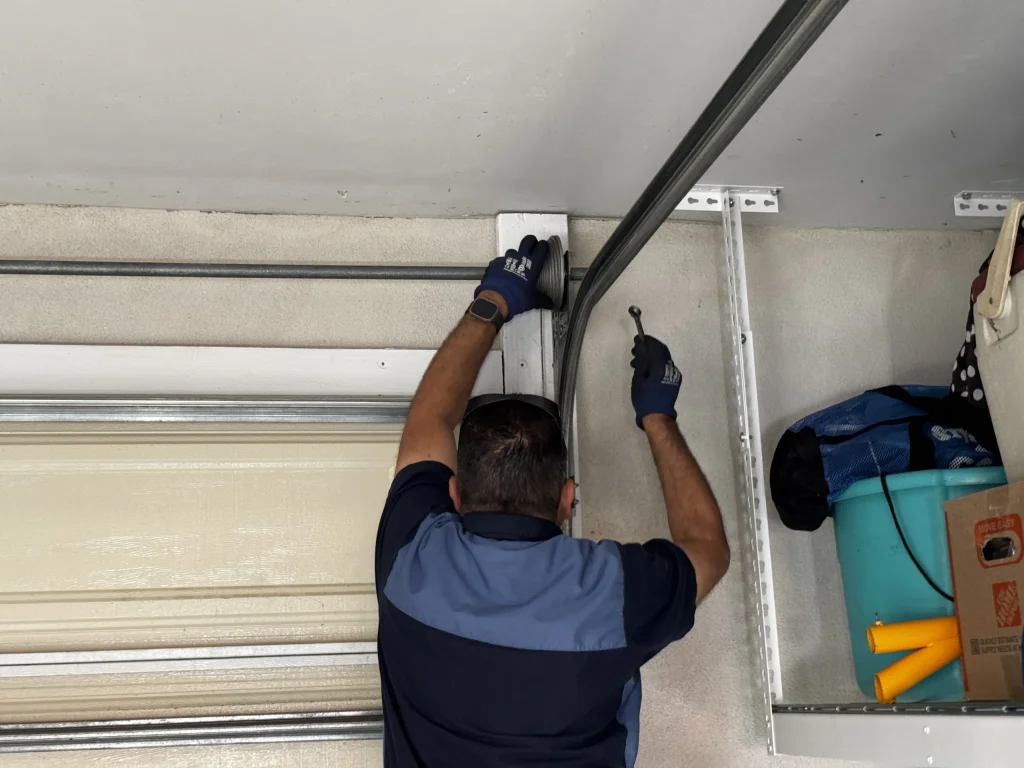
Extended Equipment Lifespan
Consistent annual service keeps every mechanical component operating within its design limits and extends the lifespan of the entire system.
Ways annual maintenance protects equipment lifespan include:
- Lubricated rollers and hinges reduce wear on every cycle
- Adjusted spring tension prevents uneven load across components
- Tightened hardware stops parts from shifting over time
- Treated metal parts resist rust and corrosion
- Inspected lift cables get replaced before wear progresses
Preventive annual service allows a garage door to reach its full 20 to 30-year lifespan before a new garage door installation becomes necessary.
Significant Cost Savings
Annual service puts potential issues on a planned timeline instead of leaving them to surface during an unexpected failure.
Top ways consistent maintenance reduces overall spending include:
- Early cable inspection keeps minor fraying from becoming a bigger repair
- Seal replacement during service prevents water intrusion damage
- Spring assessments allow budgeted replacement instead of an emergency callout
- Annual opener diagnostics identify motor strain before the unit stops functioning
- Track cleaning and alignment protect rollers from accelerated wear
Addressing minor issues during a scheduled visit costs far less than waiting for an unplanned garage door repair to force the decision.
Enhanced Safety
Every safety feature on a garage door requires regular testing to confirm it still functions as intended.
Critical safety checks performed during annual service include:
- The door is weighed to confirm the springs match its exact dead weight and prevent unexpected drops
- Auto-reverse testing confirms the door reverses when an obstruction is detected
- Balance testing verifies that the door holds its position without dropping unexpectedly
- Torsion spring inspection catches fatigue before a high-tension failure occurs
- Sensor alignment checks keep the beam functional and responsive
Keeping every safety feature functional reduces the risk of a malfunction severe enough to require garage door replacement.
Improved Home Security
A garage door that receives annual service stays structurally and mechanically sound, which directly supports the security of the entire home.
Security-related areas addressed during annual maintenance include:
- Locking mechanism checks confirm the lock holds under pressure
- Panel integrity assessment identifies structural weakness in the door
- Opener programming review removes outdated access codes
- Hardware tightening keeps every bracket and hinge firmly in place
- Sensor and receiver testing confirm that the opener responds only to authorized signals
Every component that keeps the door closed and secure gets verified during a single annual service visit.
Seamless and Quiet Operation
Grinding, squeaking, and rattling each point to a specific component that needs lubrication or adjustment.
Tasks that restore quiet and smooth operation include:
- White lithium grease on hinges eliminates squeaking at pivot points
- Spraying lubricant on the rollers allows the door to glide without resistance
- Hardware tightening stops rattling that transfers into the frame
- Track cleaning and bend correction remove grinding from debris
- Opener drive lubrication reduces motor strain and noise
Quiet, smooth movement is one of the most immediate improvements homeowners notice after a service visit.
Boosted Energy Efficiency
An improperly sealed garage door allows outside air to enter the space freely, affecting the temperature of the rooms connected to it.
Seal and insulation checks that improve energy performance include:
- Bottom seal inspection confirms the door blocks air and moisture at floor level
- Weatherstripping assessment identifies cracking that breaks the air barrier
- Panel insulation review checks for gaps in thermal resistance
- Frame seal examination locates areas where outside air enters
- Worn seal replacement restores the barrier between the garage and outdoor conditions
Seal and weatherstripping service during an annual visit directly improves energy efficiency in garages that connect to living spaces.
What Does a Garage Door Tune-Up Service Include and Reveal?
A garage door tune-up service goes beyond basic inspection and covers every component that affects how the door moves, seals, and responds to safety commands.
Key tasks performed during a professional tune-up include:
- The door is physically weighed to confirm the installed springs match its exact dead weight
- Hinges, rollers, and springs are lubricated to reduce friction and wear
- Hardware is tightened to eliminate looseness caused by vibration
- Tracks are cleaned and aligned so the door travels evenly
- Weatherstripping and bottom seals are checked for gaps and compression
Every task in a professional tune-up both services the door and reveals its current condition before a problem develops.
Why Leave Annual Garage Door Maintenance to the Pros?
Garage door systems operate under mechanical stresses that require trained hands, specialized tools, and direct field experience to service properly.
Key reasons professional services deliver better results include:
- Technicians identify wear patterns that are not visible during a homeowner’s walkthrough
- High-tension components require specialized tools and training to handle correctly
- Weighing the door during service confirms spring calibration matches the door’s actual dead weight
- Professional service includes a full system assessment with documented findings
- Manufacturer warranties often require licensed technician service to remain valid
To confirm who is qualified to handle this service, read our guide on Who Should Perform Annual Garage Door Maintenance?, which covers the credentials and experience homeowners should look for.
How Often Should Annual Garage Door Maintenance Be Scheduled?
Scheduling frequency depends on how often the door is used, its age, and the local environment in which it operates.
Key factors that determine the right maintenance schedule include:
- Once a year covers lubrication, hardware tightening, and safety testing for most residential doors
- High-use households experience faster component wear and may need more frequent visits
- Doors older than 10 years benefit from twice-yearly inspections as parts age
- Coastal conditions in San Diego accelerate corrosion and require closer monitoring
- Unusual noises or slow movement between visits warrant an earlier appointment
To determine the right service frequency for your specific door, read our guide on How Often Should Annual Garage Door Maintenance Be Scheduled?, which breaks down the scheduling factors every San Diego homeowner should know.
Schedule Your Annual Garage Door Maintenance and Protect Your Home Today

Annual garage door maintenance protects every moving part, extends the life of the entire system, and keeps every safety feature performing the way it was designed to. Homeowners who commit to a consistent service schedule get a door that operates reliably, costs less to maintain, and holds its value over time.
ADS Garage Doors & Gates is the team San Diego homeowners trust for thorough inspections, precision adjustments, and professional annual garage door service on every visit. Contact us or give us a call today, and let our team assess exactly what your door needs to perform at its best year-round.