
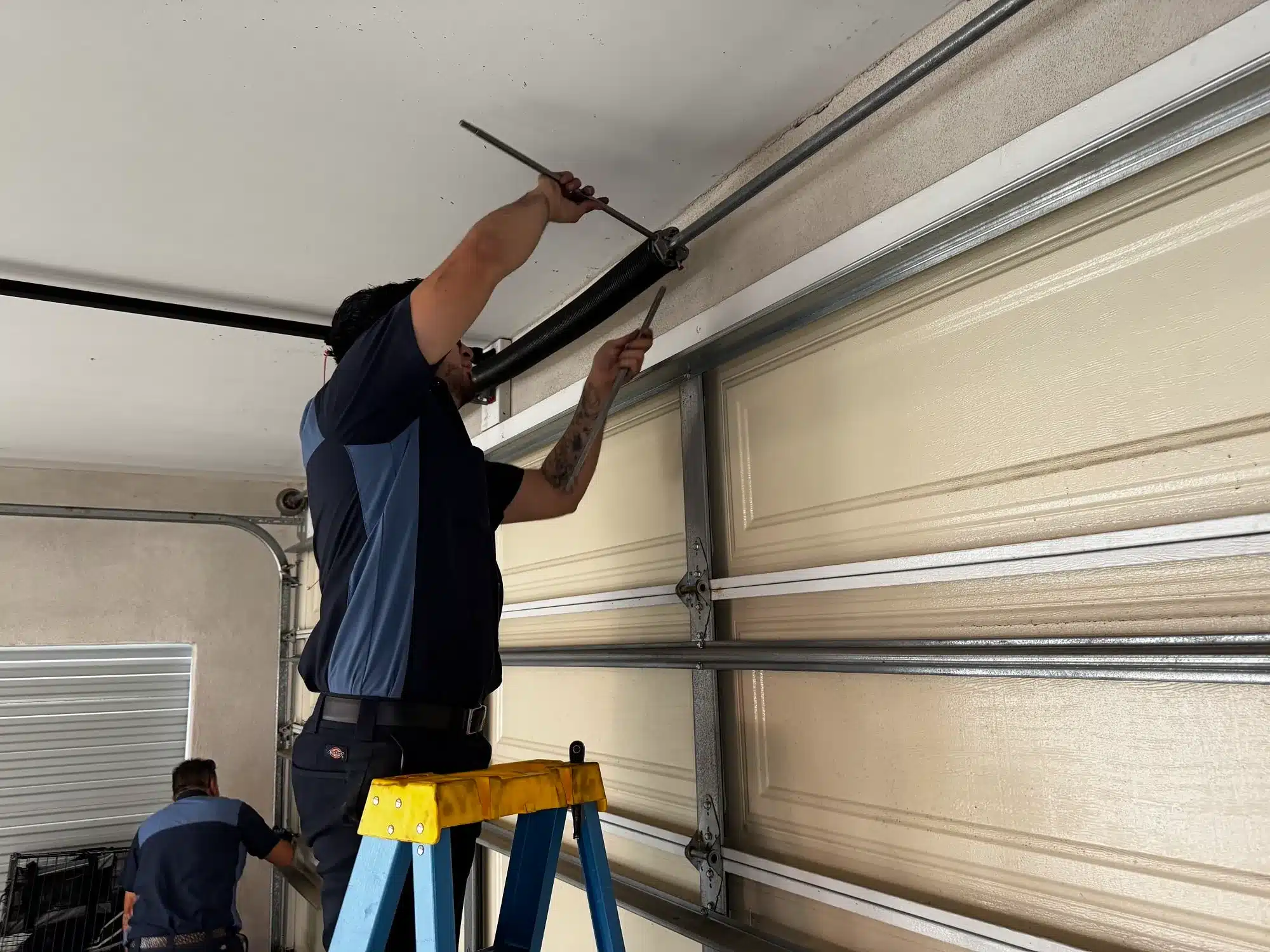
Annual garage door maintenance covers a wide range of tasks that go far beyond wiping down surfaces and checking for visible damage. The work involves high-tension components, complex electrical systems, and mechanical parts that require proper training and specialized tools to service correctly.
Assigning the wrong task to the wrong person creates risks that can compromise the entire garage door system and the safety of everyone in the home. Knowing exactly who should handle each part of the job is what keeps a garage door operating at its best and prevents costly problems from developing over time.
Why Knowing Who Performs Garage Door Maintenance Is Important
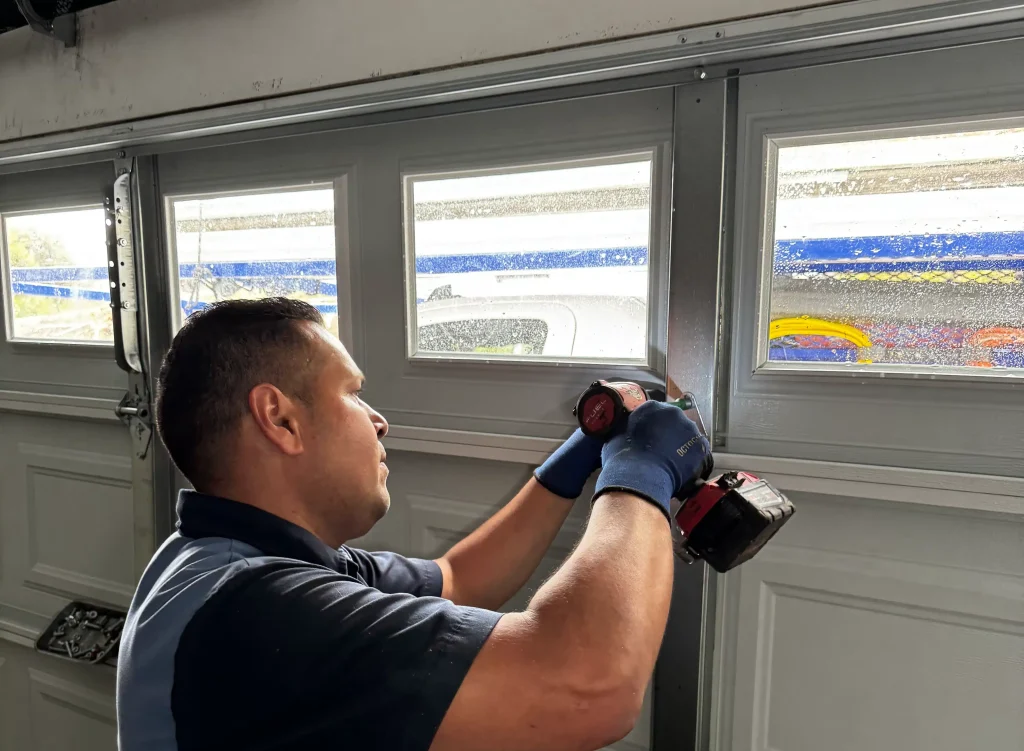
Understanding who is qualified to perform garage door maintenance is the foundation of every service decision a homeowner makes, and getting that answer wrong from the start leads to damaged components, safety hazards, and avoidable costs.
Reasons why knowing who handles the work matters:
- The wrong hands on torsion springs can cause life-threatening injuries.
- Incorrect maintenance voids manufacturer warranties.
- Improperly performed safety checks leave critical features failing without warning.
- Unqualified work turns minor issues into costly emergency repairs.
- A trained technician catches what an untrained eye will always miss.
To understand why professional involvement is critical at every stage, read our guide on What Are the Benefits of Annual Garage Door Maintenance?, which covers how proper service protects the entire system long term.
Who Is Qualified to Perform Annual Garage Door Maintenance?
Licensed Garage Door Professionals
Licensed technicians handle the most technical and high-risk components of any garage door system, and uncertified work puts the entire system at risk.
Jobs that only a licensed professional should handle:
- Weighing the door and calibrating springs to match its exact dead weight
- Releasing and replacing torsion springs that snap violently without proper tools
- Replacing lift cables that fray and fail under load
- Evaluating roller brackets and drums for wear that only a trained eye can detect
- Repairing garage door openers with electrical components that create shock and fire hazards
Proper handling of these components requires specialized training that goes well beyond general home repair knowledge.
The Homeowner’s Role in Garage Door Preventive Maintenance
Homeowners contribute to system health between professional visits by handling low-risk tasks that require basic tools and careful attention.
Low-risk responsibilities that fall within the homeowner’s role:
- Monthly visual checks on the overall condition of the door and its components
- Basic lubrication of accessible moving parts using the right garage door lubricant
- Simple safety tests that confirm auto-reverse and sensor functions are working
- Hardware checks that identify loose components before they affect performance
- Bottom seal inspections that keep the garage protected from moisture and pests
Regular attention to these boundaries keeps the homeowner’s role productive without crossing into work that requires professional training.
How to Do Basic Garage Door Maintenance at Home
Homeowners who perform basic upkeep between professional visits keep the garage door system running smoothly and catch potential issues early.
Steps to perform basic garage door maintenance at home:
- Panels, tracks, and roller brackets checked for rust, damage, and misalignment
- Loose bolts were tightened throughout the system using a socket wrench
- White lithium grease applied to hinges, rollers, and torsion springs
- Balance test performed by disconnecting the emergency release cord and lifting the door to waist height
- Auto-reverse confirmed by placing a block of wood flat in the door’s path during closing
Performing these steps monthly reduces the frequency of professional garage door repair service calls throughout the year.
Why Garage Door Maintenance Should Be Left to the Pros
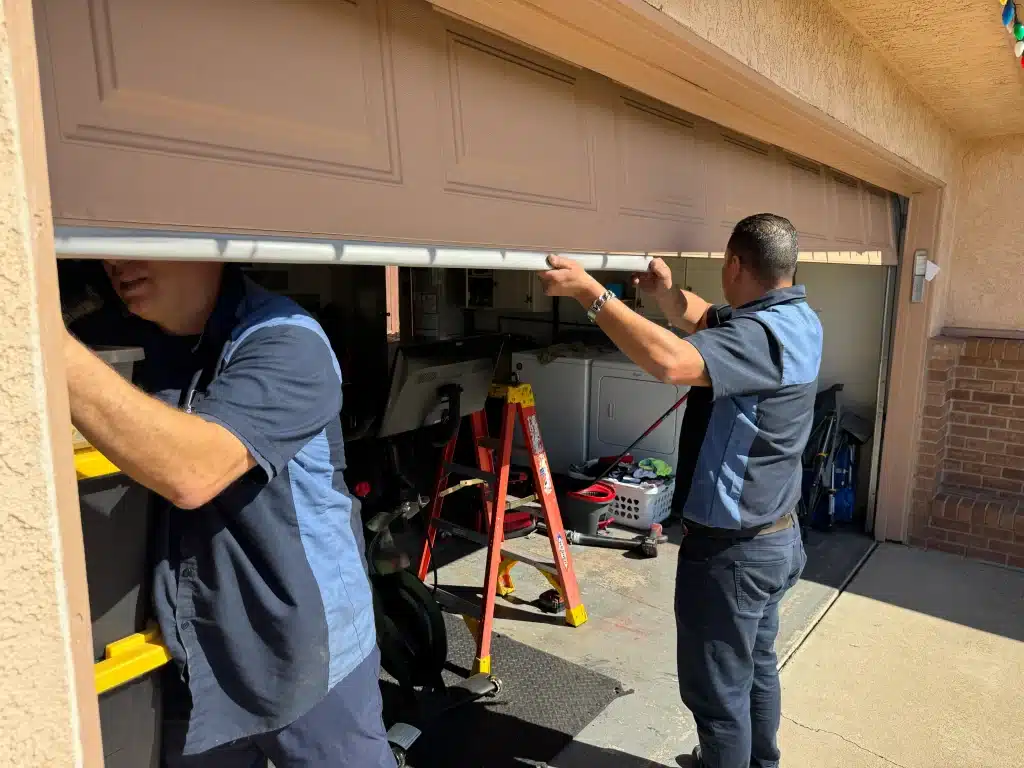
Garage door systems operate under mechanical forces that require professional training to service safely and correctly.
Reasons professional service is the only option for major garage door work:
- Torsion springs store enough energy to cause life-threatening injuries when mishandled
- Lift cables snap under load and bring the full door weight down without warning
- Incorrect sensor calibration leaves the auto-reverse feature failing silently
- Coastal humidity in San Diego accelerates corrosion on springs, cables, and metal parts
- Unqualified repairs void manufacturer warranties and leave the homeowner covering full garage door replacement costs
To plan professional service visits at the right intervals, read our guide on How Often Should Annual Garage Door Maintenance Be Scheduled?, which outlines the recommended schedule for keeping the system in top condition.
What a Professional Does During a Garage Door Tune-Up Service
A licensed technician follows a structured process during every garage door tune-up service that goes far beyond what a homeowner can safely perform at home.
Steps a professional follows during every maintenance visit:
- The door is physically weighed to confirm that the installed springs match the door’s exact dead weight
- Spring tension measured and corrected using calibrated adjustment tools
- Door balance evaluated by manually lifting and releasing at mid-height
- Safety sensors realigned and auto-reverse tested with a piece of wood in the door’s path
- Professional-grade garage door lubricant worked into every moving part across the full system
- Written service report delivered covering all findings and recommended follow-up work
To see everything a professional addresses during a standard appointment, read our guide on What Does Annual Garage Door Maintenance Cover?, which breaks down each task in detail.
How to Find and Hire the Right Garage Door Technician in San Diego
Finding a qualified garage door technician in San Diego takes more than a quick search, and knowing what to look for protects the home and the investment long term.
What to look for when hiring a garage door technician:
- Valid California contractor’s license verified before booking any service visit
- Proof of liability insurance and workers’ compensation provided on request
- Membership with the International Door Association is a sign of industry commitment
- Consistent pattern of verified positive reviews on Google or the Better Business Bureau
- Written estimate provided before any garage door service and maintenance work begins
Choosing the right technician from the start is what keeps annual garage door maintenance effective, professional, and worth every visit.
Trust the Right People With Your Garage Door Maintenance
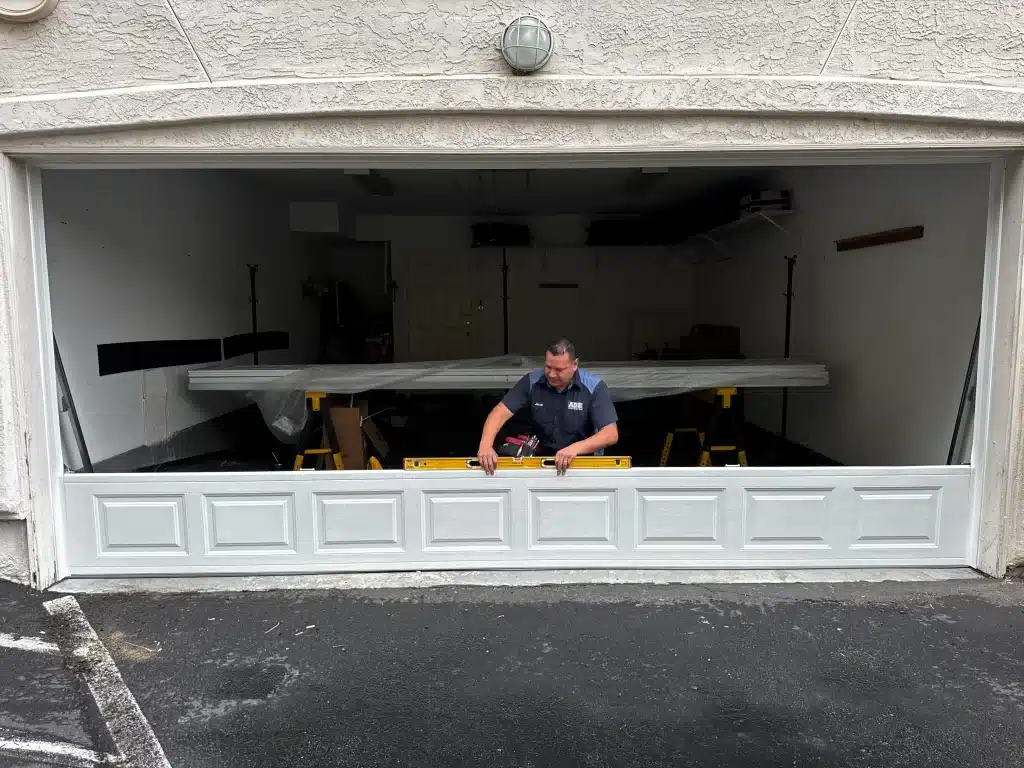
Annual garage door maintenance performed by a licensed professional protects every component in the system and keeps the door running correctly for years to come. Knowing who should handle each part of the job is what gives homeowners confidence that the work is done right the first time.
ADS Garage Doors & Gates brings hands-on experience, accurate diagnostics, and a thorough garage door maintenance checklist to every service visit in San Diego. Contact us or give us a call today, and let our team take care of every part of the job from inspection to final adjustment.