
Who Should Perform Annual Garage Door Maintenance?
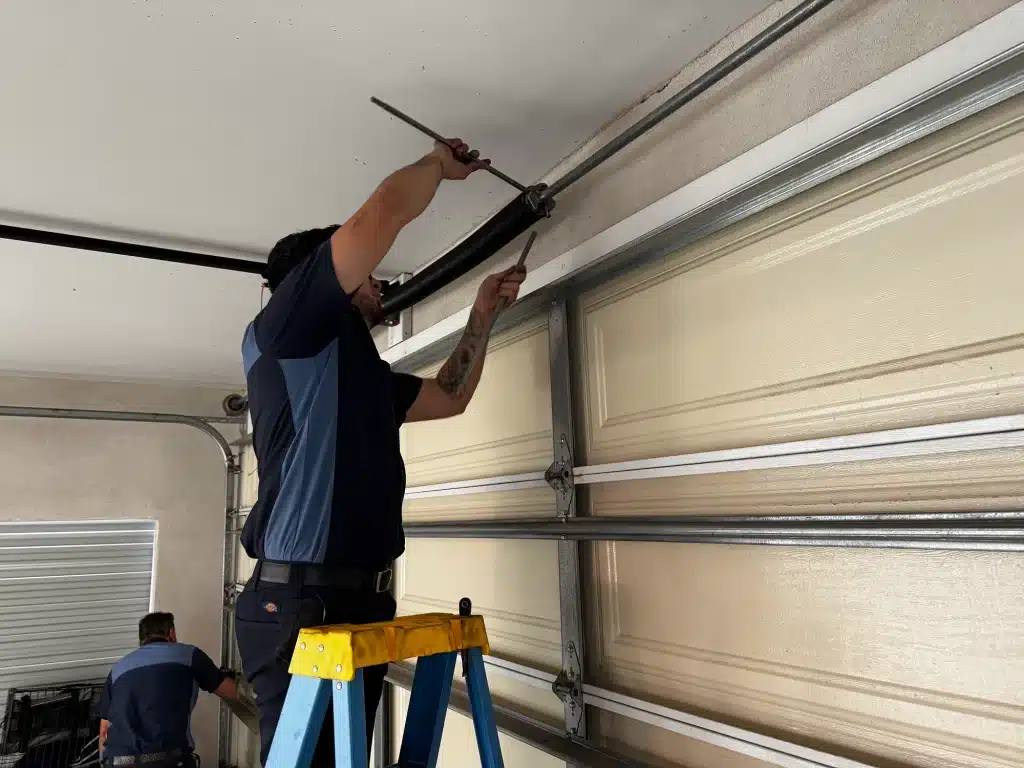
Annual garage door maintenance covers a wide range of tasks that go far beyond wiping down surfaces and checking for visible damage. The work involves high-tension components, complex electrical systems, and mechanical parts that require proper training and specialized tools to service correctly. Assigning the wrong task to the wrong person creates risks that can compromise the entire garage door system and the safety of everyone in the home. Knowing exactly who should handle each part of the job is what keeps a garage door operating at its best and prevents costly problems from developing over time. Why Knowing Who Performs Garage Door Maintenance Is Important Understanding who is qualified to perform garage door maintenance is the foundation of every service decision a homeowner makes, and getting that answer wrong from the start leads to damaged components, safety hazards, and avoidable costs. Reasons why knowing who handles the work matters: The wrong hands on torsion springs can cause life-threatening injuries. Incorrect maintenance voids manufacturer warranties. Improperly performed safety checks leave critical features failing without warning. Unqualified work turns minor issues into costly emergency repairs. A trained technician catches what an untrained eye will always miss. To understand why professional involvement is critical at every stage, read our guide on What Are the Benefits of Annual Garage Door Maintenance?, which covers how proper service protects the entire system long term. Who Is Qualified to Perform Annual Garage Door Maintenance? Licensed Garage Door Professionals Licensed technicians handle the most technical and high-risk components of any garage door system, and uncertified work puts the entire system at risk. Jobs that only a licensed professional should handle: Weighing the door and calibrating springs to match its exact dead weight Releasing and replacing torsion springs that snap violently without proper tools Replacing lift cables that fray and fail under load Evaluating roller brackets and drums for wear that only a trained eye can detect Repairing garage door openers with electrical components that create shock and fire hazards Proper handling of these components requires specialized training that goes well beyond general home repair knowledge. The Homeowner’s Role in Garage Door Preventive Maintenance Homeowners contribute to system health between professional visits by handling low-risk tasks that require basic tools and careful attention. Low-risk responsibilities that fall within the homeowner’s role: Monthly visual checks on the overall condition of the door and its components Basic lubrication of accessible moving parts using the right garage door lubricant Simple safety tests that confirm auto-reverse and sensor functions are working Hardware checks that identify loose components before they affect performance Bottom seal inspections that keep the garage protected from moisture and pests Regular attention to these boundaries keeps the homeowner’s role productive without crossing into work that requires professional training. How to Do Basic Garage Door Maintenance at Home Homeowners who perform basic upkeep between professional visits keep the garage door system running smoothly and catch potential issues early. Steps to perform basic garage door maintenance at home: Panels, tracks, and roller brackets checked for rust, damage, and misalignment Loose bolts were tightened throughout the system using a socket wrench White lithium grease applied to hinges, rollers, and torsion springs Balance test performed by disconnecting the emergency release cord and lifting the door to waist height Auto-reverse confirmed by placing a block of wood flat in the door’s path during closing Performing these steps monthly reduces the frequency of professional garage door repair service calls throughout the year. Why Garage Door Maintenance Should Be Left to the Pros Garage door systems operate under mechanical forces that require professional training to service safely and correctly. Reasons professional service is the only option for major garage door work: Torsion springs store enough energy to cause life-threatening injuries when mishandled Lift cables snap under load and bring the full door weight down without warning Incorrect sensor calibration leaves the auto-reverse feature failing silently Coastal humidity in San Diego accelerates corrosion on springs, cables, and metal parts Unqualified repairs void manufacturer warranties and leave the homeowner covering full garage door replacement costs To plan professional service visits at the right intervals, read our guide on How Often Should Annual Garage Door Maintenance Be Scheduled?, which outlines the recommended schedule for keeping the system in top condition. What a Professional Does During a Garage Door Tune-Up Service A licensed technician follows a structured process during every garage door tune-up service that goes far beyond what a homeowner can safely perform at home. Steps a professional follows during every maintenance visit: The door is physically weighed to confirm that the installed springs match the door’s exact dead weight Spring tension measured and corrected using calibrated adjustment tools Door balance evaluated by manually lifting and releasing at mid-height Safety sensors realigned and auto-reverse tested with a piece of wood in the door’s path Professional-grade garage door lubricant worked into every moving part across the full system Written service report delivered covering all findings and recommended follow-up work To see everything a professional addresses during a standard appointment, read our guide on What Does Annual Garage Door Maintenance Cover?, which breaks down each task in detail. How to Find and Hire the Right Garage Door Technician in San Diego Finding a qualified garage door technician in San Diego takes more than a quick search, and knowing what to look for protects the home and the investment long term. What to look for when hiring a garage door technician: Valid California contractor’s license verified before booking any service visit Proof of liability insurance and workers’ compensation provided on request Membership with the International Door Association is a sign of industry commitment Consistent pattern of verified positive reviews on Google or the Better Business Bureau Written estimate provided before any garage door service and maintenance work begins Choosing the right technician from the start is what keeps annual garage door maintenance effective, professional, and worth every visit. Trust the Right People With Your Garage Door Maintenance Annual garage door maintenance
How Often Should Annual Garage Door Maintenance Be Scheduled?
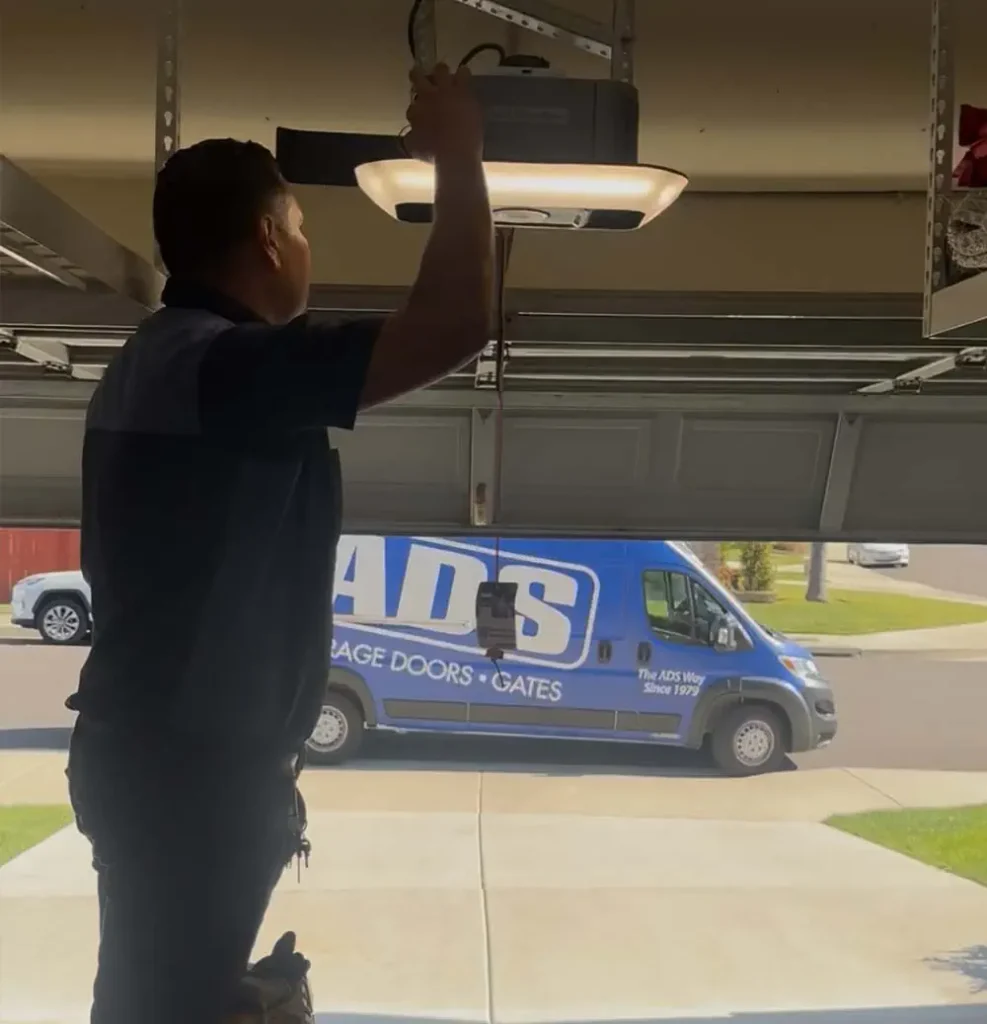
Knowing how often to schedule annual garage door maintenance directly affects how long a garage door system lasts and how much it costs to keep it running. The answer is not the same for every home because usage, age, and environmental conditions all play a role in determining the right service interval. Skipping or delaying garage door maintenance puts extra strain on springs, cables, rollers, and every other component that carries the load each time the door cycles. A consistent maintenance schedule catches small problems before they become far more expensive and inconvenient repairs. Why Does Garage Door Maintenance Timing Matter? Every service visit that gets delayed gives wear, corrosion, and mechanical stress more time to build up across components that the door depends on to function correctly, and that window of neglect is exactly where most preventable repairs begin. Reasons why timing directly affects the system: Worn components go undetected until they fail completely. Dried-out lubrication causes metal parts to grind against each other, accelerating wear. Safety features fall out of calibration between professional visits. Salt air in San Diego corrodes springs, cables, and roller brackets faster. Skipping visits forces the garage door opener to work harder than normal, wearing out the motor ahead of schedule. To understand how consistent servicing protects a home over time, read our guide on What Are the Benefits of Annual Garage Door Maintenance?, which covers every advantage of keeping a garage door on a professional service schedule. What Does a Garage Door Maintenance Schedule Usually Cover? Knowing what gets checked and serviced during a professional visit makes it easier to understand why the frequency of those visits matters as much as it does. Component What Gets Checked Torsion springs Inspected for wear, rust, and proper tension Lift cables Checked for fraying, slack, and uneven wear Roller brackets Examined for cracks, bending, and loose bolts Metal parts Evaluated for corrosion from moisture and salt air Hinges and rollers Lubricated to reduce friction and slow wear Safety features Tested to confirm correct response to obstructions Loose hardware Tightened and weather stripping inspected for gaps Door weight Weighed to verify installed springs match the door’s total dead weight To get a complete picture of every task a technician performs, read our guide on What Does Annual Garage Door Maintenance Cover?, which walks through the full scope of a standard service appointment. How Often Should Annual Garage Door Maintenance Be Scheduled? Professional Service Frequency Scheduling professional service at the right intervals keeps every component in the garage door system performing as it should between visits. Usage Type Recommended Frequency Best Time to Schedule Average daily use Once every 12 months Spring or fall High-traffic or primary entry door Every 6 months Spring and fall Older systems or coastal areas like San Diego Every 6 to 9 months Throughout the year Matching the service interval to actual usage conditions keeps the garage door system performing at the level it was installed to maintain. DIY Maintenance Frequency Between Professional Visits Basic self-checks performed on a consistent schedule extend the results of each professional visit throughout the year. Interval Maintenance Task Every month Balance test and auto-reverse check using a piece of wood in the door’s path Every 3 to 6 months Lubricate hinges, torsion springs, and roller bearings, and inspect lift cables and rollers for wear or rust Every couple of months Wipe down door panels and the bottom seal with mild detergent to protect against weathering Ongoing Keep tracks wiped clean, but never apply spray lubricant to the inside of the track Performing these checks between professional visits keeps minor issues visible before they require a professional garage door repair call. What Factors Affect the Garage Door Maintenance Schedule? Each household presents different conditions that push a garage door system toward more or less frequent professional service. Factors that directly influence the maintenance schedule: Daily usage rate speeds up wear on springs, cables, and rollers. System age moves components closer to the end of their service range. Coastal conditions in San Diego introduce salt air that accelerates corrosion between visits. A history of garage door repairs indicates that certain components require closer monitoring. A recent garage door replacement establishes a new maintenance baseline with different service needs than an aging system. Keeping these factors in mind when setting a schedule ensures the door is serviced at the right interval based on its actual condition. Signs It Is Time to Schedule Garage Door Maintenance Early Waiting for the scheduled date is not always the right move when the garage door system is already showing warning signs. Signs that warrant scheduling garage door maintenance ahead of the regular interval: Grinding, popping, or rattling during operation indicates components that need immediate attention. Slow or uneven movement indicates a balance issue or mechanical resistance. Rust, fraying, or cracks on springs, lift cables, or rollers require professional evaluation. A gap in the torsion spring is a safety hazard requiring immediate professional repair. Peeling paint or a deteriorating bottom seal signals compromised exterior protection. To determine who is qualified to address these warning signs correctly, read our guide on Who Should Perform Annual Garage Door Maintenance?, which covers what separates a trained technician from an unqualified one. What Homeowners Gain by Staying on a Regular Garage Door Maintenance Schedule Consistent professional service delivers measurable results that go beyond keeping the door operational from one visit to the next. Garage door maintenance benefits that come with staying on a regular schedule: An extended system lifespan reduces the frequency at which a full garage door installation becomes necessary. Fewer emergency repair calls lower overall maintenance costs over time. Safety features stay calibrated and respond correctly on every cycle. Energy efficiency improves when seals and weather stripping are kept in good condition. Peace of mind comes from knowing the system has been consistently and professionally evaluated. Regular garage door maintenance protects the property investment and keeps the system performing at the standard it was installed to
What Does Annual Garage Door Maintenance Cover?
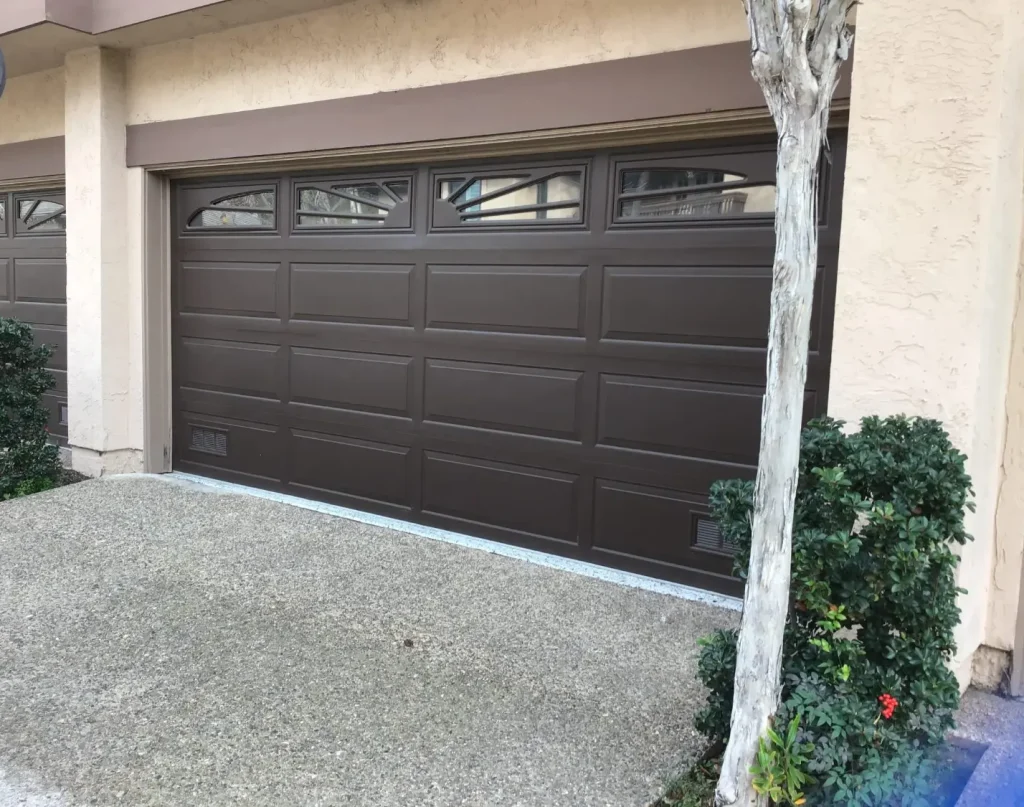
Annual garage door maintenance covers every working part of the door system, from springs and cables down to weather seals and safety sensors. Each component gets professionally evaluated, serviced, and tested during a single comprehensive visit to confirm the entire system is performing correctly. Garage door maintenance follows a detailed checklist that moves through mechanical parts, lubrication, opener performance, and weatherproofing in a specific order. Each section targets a different area of the system to catch potential issues before they lead to unexpected breakdowns. Is Annual Garage Door Maintenance Really Worth It? Every cycle a garage door completes puts stress on the springs, cables, rollers, and opener, and that accumulated wear will eventually force an emergency call that costs far more than a scheduled visit would have. The benefits of one annual visit include: Detects worn springs and cables before a breakdown occurs Lubricates moving parts to reduce friction and extend component life Verifies safety features are functioning correctly on every cycle Tightens loose hardware before it develops into a costly repair Adds years to the overall life of the door system through routine adjustments To understand the full value this service adds to a home, read our guide on What Are the Benefits of Annual Garage Door Maintenance?, which covers every advantage of keeping a garage door on a professional service schedule. What Does a Complete Garage Door Maintenance Checklist Include? Mechanical Inspection Springs, cables, rollers, and fasteners each get a hands-on evaluation during every professional maintenance visit. Mechanical components checked during every visit include: Torsion springs examined for rust, deformation, and wear Lift cables inspected for fraying at the drum, bracket, and full length Rollers evaluated for chips, flat spots, and track alignment Tracks cleared of debris and checked for bends or loose brackets Loose bolts and fasteners tightened throughout the door Scheduled visits keep springs and cables performing reliably and reduce the need for an unplanned garage door spring repair. Garage Door Weight Verification and Spring Calibration Copying the old spring size without verifying the door’s actual weight is one of the most common shortcuts technicians take during a service visit. Weight verification and spring calibration steps during the visit include: The door was weighed with a calibrated scale to capture the exact weight of all components Spring specs calculated from the actual measured weight, not the old spring Spring tension verified to confirm the door holds position at mid-travel Added insulation, hardware, or panels noted and factored into spring calibration Balance test performed to confirm the opener carries minimal dead weight Precise weight verification confirms the installed springs match the door’s actual load and reduces the likelihood of premature spring failure between annual visits. Lubrication and Tuning Metal parts that run dry wear out faster and generate unusual noises that signal accelerating damage. Lubrication and tuning tasks completed during the visit include: Hinges, rollers, and roller brackets coated with garage door lubricant White lithium grease applied to the spring system and bearing points Spray lubricant applied to the track to prevent dust buildup Balance test performed by disconnecting the door from the opener Spring tension adjusted if the door drifts at mid-travel A properly lubricated and balanced door puts less strain on the opener motor and keeps every moving part within its intended performance range. Opener and Safety Checks Every garage door opener contains safety features designed to stop the door when something enters its path. Opener and safety components tested during the visit include: Auto-reverse tested using a block of wood placed flat in the door’s path Photo-eye sensors cleaned, aligned, and tested for correct beam interruption Force limit settings adjusted if reversal sensitivity is off Emergency release cord tested to confirm manual operation works Backup battery verified for correct function during a power outage Confirmed safety mechanisms and a properly calibrated opener reduce the chance of an avoidable garage door opener repair between annual visits. Weatherproofing and Security Coastal humidity and salt air in San Diego break down rubber and foam seals faster than in inland climates. Weatherproofing and security items inspected during the visit include: Bottom seal checked for cracking, stiffness, and gap formation Perimeter weather stripping examined for tears and compression loss Side and top seals tested for consistent contact along the full frame Manual locks tested for smooth engagement and full security Smart opener security features reviewed for correct access control Keeping weatherproofing components in good condition protects the garage interior and maintains home energy efficiency year-round. Panel and Structural Condition Daily exposure to sunlight, salt air, and physical contact puts consistent stress on door panels over time. Panel and structural elements evaluated during the visit include: Each panel inspected for dents, cracks, warping, and seam separation Peeling paint on metal panels flagged as an early rust indicator Wood panels checked for moisture absorption and surface deterioration Panel alignment confirmed, so all sections move as one unit Roller bracket attachment points checked for stress cracks and loosening Structurally sound panels distribute weight evenly and keep every mechanical component performing without triggering a garage door repair. What Parts of a Garage Door Get Checked, Adjusted, and Replaced? Every part of a garage door system gets evaluated during an annual visit to confirm nothing is worn, loose, or operating outside its normal range. Part What Gets Done Torsion Springs and Lift Cables Inspected for wear, rust, and tension loss Rollers and Tracks Checked for alignment, damage, and smooth movement Hinges and Fasteners Tightened and examined for stress cracks Opener Motor and Drive System Tested for strain, noise, and correct force settings Photo-Eye Sensors Cleaned, aligned, and tested for accurate beam response Weather Seals and Bottom Seal Checked for cracks, gaps, and compression loss Door Panels Evaluated for dents, warping, peeling paint, and seam separation Parts that fail inspection get flagged for adjustment or replacement during the same visit to keep the entire door system in top condition. What Happens During a Garage Door Tune-Up Service Visit? A garage door tune-up service follows
What Are the Benefits of Annual Garage Door Maintenance?
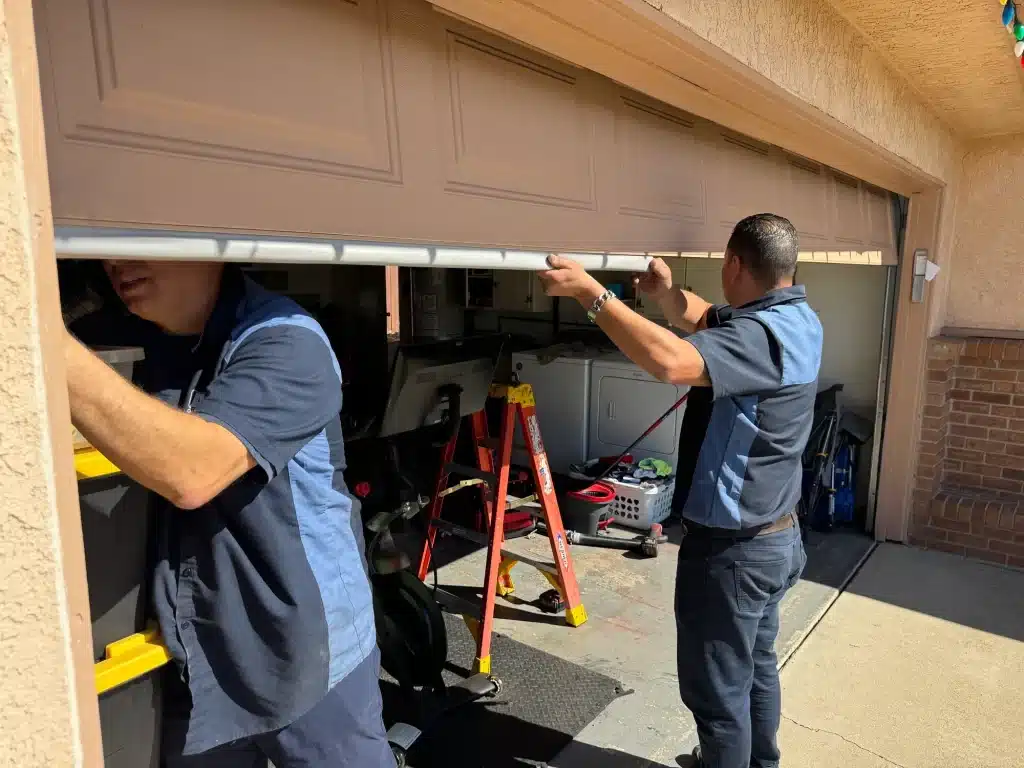
Annual garage door maintenance keeps every moving part of a garage door system in working condition and prevents small problems from turning into costly repairs. Skipping this service allows wear, misalignment, and damage to build up silently until a breakdown happens. Garage door maintenance covers lubrication, hardware tightening, safety testing, and full system inspection in a single professional visit. Homeowners who schedule this service consistently get a longer-lasting door, lower repair costs, and a system that performs reliably in every season. What Is Annual Garage Door Maintenance? Annual garage door maintenance is a professional service that inspects and services every part of a garage door system before wear and damage can develop into bigger problems. Key characteristics that define this service include: Scheduled once a year by a trained technician following a structured inspection process Built to catch hidden wear before it turns into a visible and costly problem Designed to prevent breakdowns rather than respond to them after they occur Covers all residential door types, including sectional, roll-up, and swing-out configurations Guided by a structured checklist so every component is assessed, and nothing is missed To understand every task a technician performs during this service, read our guide on What Does Annual Garage Door Maintenance Cover?, which breaks down each step of a complete annual inspection. Why Does a Garage Door Need Regular Maintenance? A garage door works under constant mechanical stress, and that stress compounds with every single cycle. Key reasons a garage door needs consistent maintenance include: Daily use wears down moving parts with every open-and-close cycle Small issues escalate quickly when loose hardware and worn seals go unaddressed Coastal air accelerates corrosion on springs, tracks, and metal brackets Safety features degrade over time and require regular testing to stay functional Garage door opener strain builds gradually as resistance increases from the unlubricated parts Neglecting this service allows damage to develop undetected until a repair or full replacement becomes unavoidable. What Are the Benefits of Annual Garage Door Maintenance? Extended Equipment Lifespan Consistent annual service keeps every mechanical component operating within its design limits and extends the lifespan of the entire system. Ways annual maintenance protects equipment lifespan include: Lubricated rollers and hinges reduce wear on every cycle Adjusted spring tension prevents uneven load across components Tightened hardware stops parts from shifting over time Treated metal parts resist rust and corrosion Inspected lift cables get replaced before wear progresses Preventive annual service allows a garage door to reach its full 20 to 30-year lifespan before a new garage door installation becomes necessary. Significant Cost Savings Annual service puts potential issues on a planned timeline instead of leaving them to surface during an unexpected failure. Top ways consistent maintenance reduces overall spending include: Early cable inspection keeps minor fraying from becoming a bigger repair Seal replacement during service prevents water intrusion damage Spring assessments allow budgeted replacement instead of an emergency callout Annual opener diagnostics identify motor strain before the unit stops functioning Track cleaning and alignment protect rollers from accelerated wear Addressing minor issues during a scheduled visit costs far less than waiting for an unplanned garage door repair to force the decision. Enhanced Safety Every safety feature on a garage door requires regular testing to confirm it still functions as intended. Critical safety checks performed during annual service include: The door is weighed to confirm the springs match its exact dead weight and prevent unexpected drops Auto-reverse testing confirms the door reverses when an obstruction is detected Balance testing verifies that the door holds its position without dropping unexpectedly Torsion spring inspection catches fatigue before a high-tension failure occurs Sensor alignment checks keep the beam functional and responsive Keeping every safety feature functional reduces the risk of a malfunction severe enough to require garage door replacement. Improved Home Security A garage door that receives annual service stays structurally and mechanically sound, which directly supports the security of the entire home. Security-related areas addressed during annual maintenance include: Locking mechanism checks confirm the lock holds under pressure Panel integrity assessment identifies structural weakness in the door Opener programming review removes outdated access codes Hardware tightening keeps every bracket and hinge firmly in place Sensor and receiver testing confirm that the opener responds only to authorized signals Every component that keeps the door closed and secure gets verified during a single annual service visit. Seamless and Quiet Operation Grinding, squeaking, and rattling each point to a specific component that needs lubrication or adjustment. Tasks that restore quiet and smooth operation include: White lithium grease on hinges eliminates squeaking at pivot points Spraying lubricant on the rollers allows the door to glide without resistance Hardware tightening stops rattling that transfers into the frame Track cleaning and bend correction remove grinding from debris Opener drive lubrication reduces motor strain and noise Quiet, smooth movement is one of the most immediate improvements homeowners notice after a service visit. Boosted Energy Efficiency An improperly sealed garage door allows outside air to enter the space freely, affecting the temperature of the rooms connected to it. Seal and insulation checks that improve energy performance include: Bottom seal inspection confirms the door blocks air and moisture at floor level Weatherstripping assessment identifies cracking that breaks the air barrier Panel insulation review checks for gaps in thermal resistance Frame seal examination locates areas where outside air enters Worn seal replacement restores the barrier between the garage and outdoor conditions Seal and weatherstripping service during an annual visit directly improves energy efficiency in garages that connect to living spaces. What Does a Garage Door Tune-Up Service Include and Reveal? A garage door tune-up service goes beyond basic inspection and covers every component that affects how the door moves, seals, and responds to safety commands. Key tasks performed during a professional tune-up include: The door is physically weighed to confirm the installed springs match its exact dead weight Hinges, rollers, and springs are lubricated to reduce friction and wear Hardware is tightened to eliminate looseness caused by