
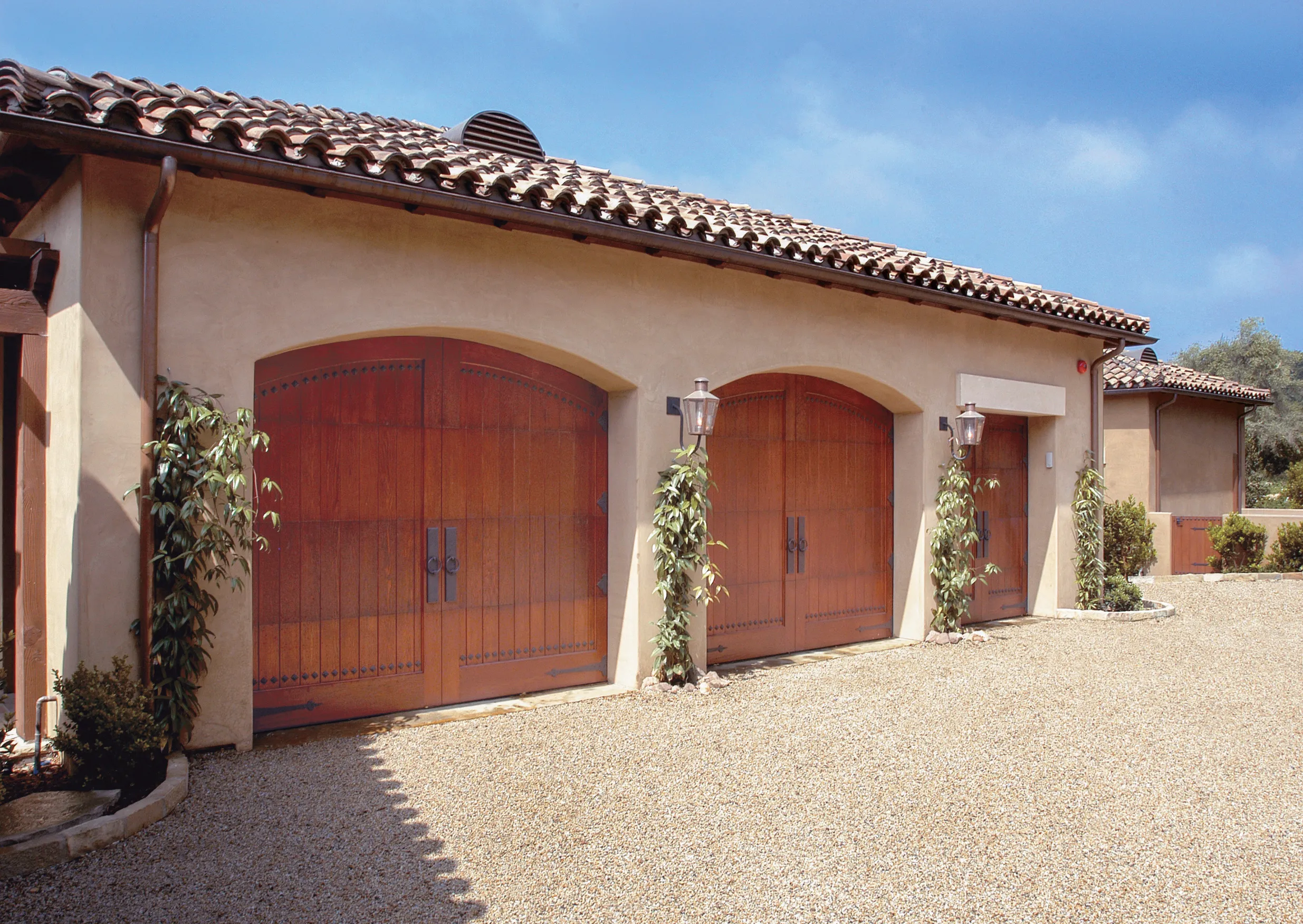
Maintaining a custom wood garage door means cleaning it regularly, reapplying sealant or paint on schedule, lubricating hardware, and protecting the surface from moisture and extreme temperatures. Combined, these habits keep the wood looking close to new for decades instead of just a few years.
Garage door service teams across the San Diego area report that wood doors most often fail early because routine care gets neglected, not because the material itself was a poor choice. This guide breaks down the specific tasks, schedule, and techniques that keep a custom wood garage door protected and looking its best.
Key Takeaways
- Washing a wood garage door twice a year removes dirt buildup before it causes lasting damage.
- Sealant or oil finishes need reapplication every one to three years, depending on climate exposure.
- Hardware like hinges, rollers, and springs needs lubrication roughly twice a year.
- Landscaping and sprinklers near the door can introduce moisture damage if left unchecked.
- Consistency across every task prevents most of the issues that shorten a wood door’s lifespan.
Essential Maintenance Tasks for a Custom Wood Garage Door
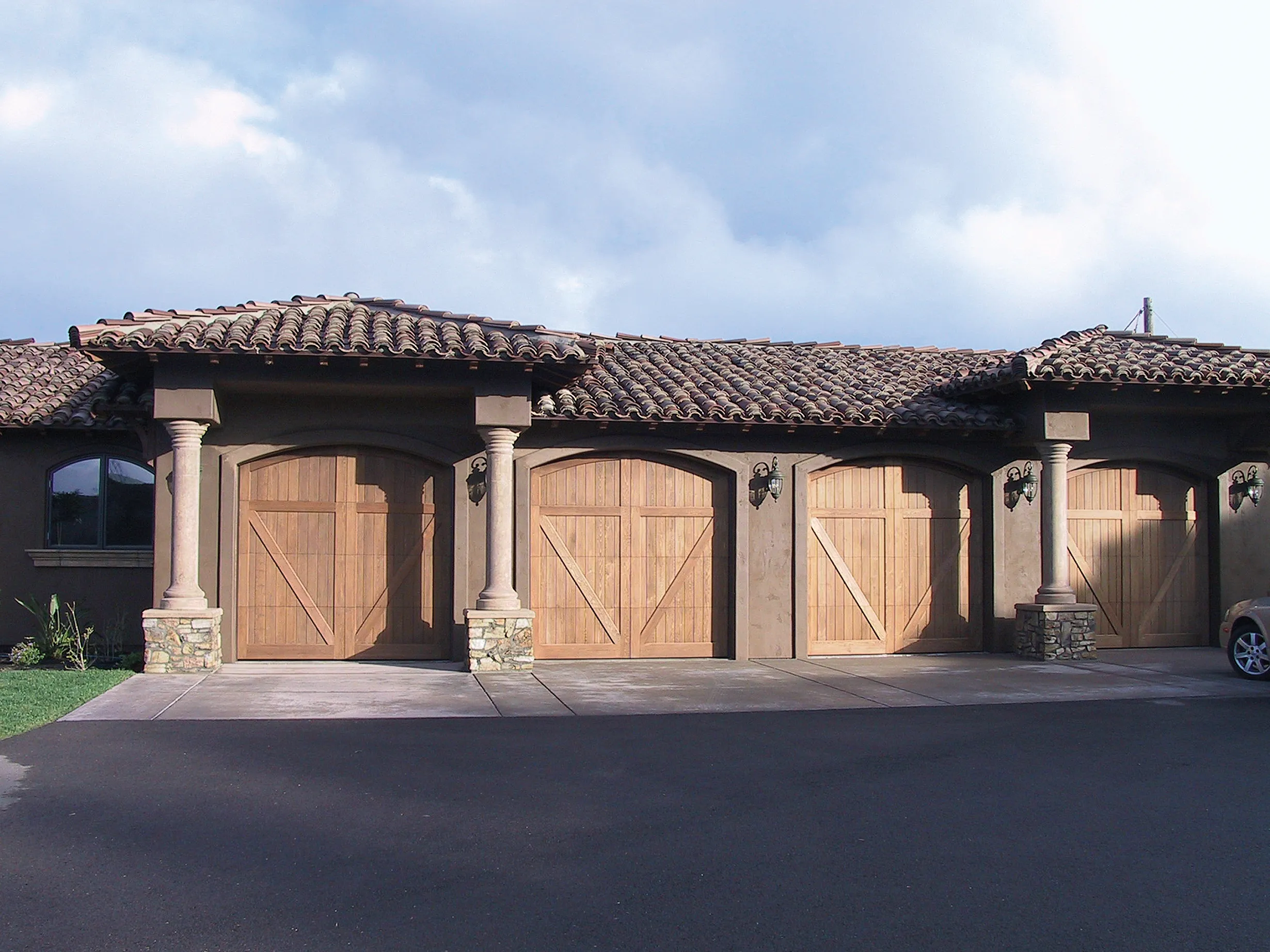
Six categories of care work together to protect a custom wood garage door from sun, moisture, and daily mechanical wear.
Maintenance Category | Signs It’s Overdue | Consequence of Neglect |
Cleaning and inspection | Visible dirt buildup, dull finish | Trapped moisture accelerates decay |
Sealant or oil finish | Fading, dry, or chalky wood surface | Bare wood absorbs moisture and warps |
Repainting | Peeling, chipped, or cracked paint | Exposed wood weathers unevenly |
Lubricating hardware | Grinding or squeaking during operation | Premature wear on rollers and springs |
Balance and weatherstripping | Door feels heavy or seals gap visibly | Strain on springs, drafts, and moisture entry |
Environmental protection | Mildew spots, damp shaded areas | Rot developing faster near the base |
A small problem left unattended on a wood door usually leads to a bigger, more expensive garage door repair once moisture reaches the grain.
Cleaning and Inspection
Regular washing removes the dirt buildup that dulls a wood door’s finish and traps moisture against the surface over time.
Basic cleaning generally follows a consistent routine:
- Washing the door twice a year using mild soapy water and a soft cloth.
- Rinsing gently with a garden hose instead of a high-pressure washer.
- Inspecting the finish for fading, cracking, peeling, or dull spots.
- Checking the bottom edge closely, since moisture pools there most easily.
- Wiping down hardware during the same cleaning session for efficiency.
To weigh basic cleaning against every other design and cost consideration, read our guide on Custom Wood Garage Doors: Design Ideas, Costs & Buying Guide, which walks through what a wood door involves from purchase through years of ownership.
Reapplying Sealant or Oil Finish
Quality sealant protects the door’s exterior surface from sun damage and moisture penetration far longer than an unsealed panel typically holds up.
Reapplication generally follows a predictable pattern:
- Applying a UV-resistant exterior sealant or oil finish every one to three years.
- Choosing frequency based on local climate and direct sun exposure.
- Clean and fully dry the surface before applying any new coat.
- Sand lightly between coats to help new stain absorb evenly.
- Checking for uneven wear that signals an earlier reapplication is needed.
Coastal or high-heat regions often need sealant reapplied closer to the one-year mark than the three-year mark, sometimes sooner still.
Repainting a Wood Garage Door
Painted wood garage doors eventually need an additional coat as the existing finish weathers, chips, or fades from extreme heat and sun exposure.
Repainting generally involves a consistent sequence:
- Repainting every three to five years, depending on climate exposure.
- Scraping away any loose or peeling paint before starting.
- Sanding the affected area to create a smooth finish for new paint.
- Applying a coat of wood primer before adding exterior-grade paint.
- Choosing a lighter finish color in hot climates to reduce heat absorption.
Very dark stain or paint tends to fade faster under direct, extreme heat than lighter finish options, especially on panels facing south throughout the day.
Lubricating Moving Parts
Hardware wears down faster than the wood itself once hinges, rollers, and springs run without proper lubrication.
Lubrication generally follows manufacturer guidance on a predictable schedule:
- Applying silicone-based spray or garage door lubricant twice a year.
- Focusing on hinges, rollers, springs, and the garage door track.
- Wiping away old grease or debris before applying fresh lubricant.
- Listening for grinding or squeaking that signals overdue lubrication.
- Avoiding oil-based products that attract dirt and dust buildup.
To compare how wood species affects the hardware needed for smooth operation, read our guide on Best Wood Species for Custom Garage Doors: Cedar, Redwood, Mahogany & More, which breaks down weight and durability differences in detail.
Testing Balance and Weatherstripping
A properly balanced garage door installation should hold steady when lifted halfway by hand, without dropping or feeling excessively heavy.
Balance and weatherstripping checks generally cover a few key steps:
- Disconnecting the automatic opener before testing manual balance.
- Lifting the door halfway to confirm the springs hold it steady.
- Inspecting weatherstripping around the frame for tears or brittleness.
- Replacing worn rubber seals to keep rain and wind from entering.
- Scheduling a professional check if the door feels unbalanced.
To calculate how neglected hardware checks affect long-term ownership cost, read our guide on How Much Do Custom Wood Garage Doors Cost, which breaks down maintenance expenses alongside upfront pricing.
Environmental Protection
Landscaping and sprinklers positioned too close to a wood garage door introduce moisture that speeds up decay over time.
A few adjustments reduce environmental exposure significantly:
- Regularly trim bushes, trees, and grass that touch the door.
- Maintain airflow around the door to prevent moisture from getting trapped.
- Redirect sprinklers so they don’t spray the wood directly.
- Avoiding hard water buildup that dulls the finish over time.
- Checking for shaded, damp areas prone to mildew growth.
Extreme heat and constant moisture exposure both shorten a wood door’s lifespan faster than either factor alone.
Building a Maintenance Schedule That Actually Works
A garage door maintenance plan on paper turns scattered tasks into a routine you follow year-round, rather than relying on memory.
Basic schedules generally organize tasks by frequency:
- Monthly checks for visible dirt, hardware noise, or moisture signs.
- Twice-yearly washing and lubrication scheduled around seasonal changes.
- Annual weatherstripping and balance checks before extreme weather hits.
- Track sealant reapplication on a one- to three-year rotating basis.
- Repainting scheduled every three to five years based on visible wear.
Keeping the schedule somewhere visible, like a garage wall calendar, removes the guesswork that often leads to neglected tasks and premature wood damage.
A Maintained Wood Garage Door Keeps Its Beauty for Decades
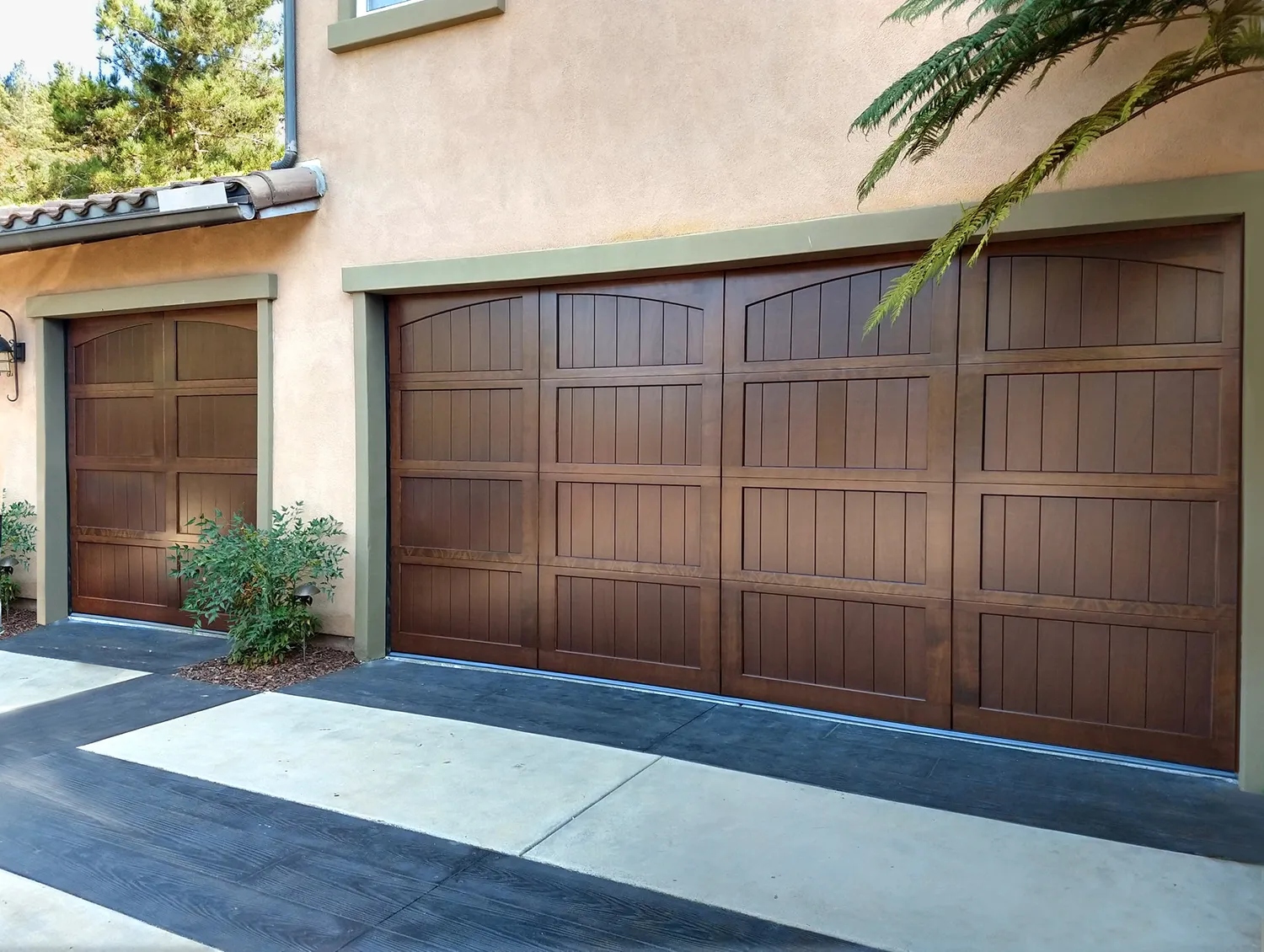
Cleaning, sealing, lubrication, and environmental care work together to protect the natural beauty a custom wood garage door offers from day one. Neglecting any single task shortens the door’s lifespan far more than most homeowners expect, sometimes by years.
ADS Garage Doors & Gates offers a free estimate for homeowners across San Diego looking to establish a maintenance plan or restore an aging wood garage door back to its original condition. Contact us or give us a call today to keep your wood garage door performing and looking its best for years to come.