
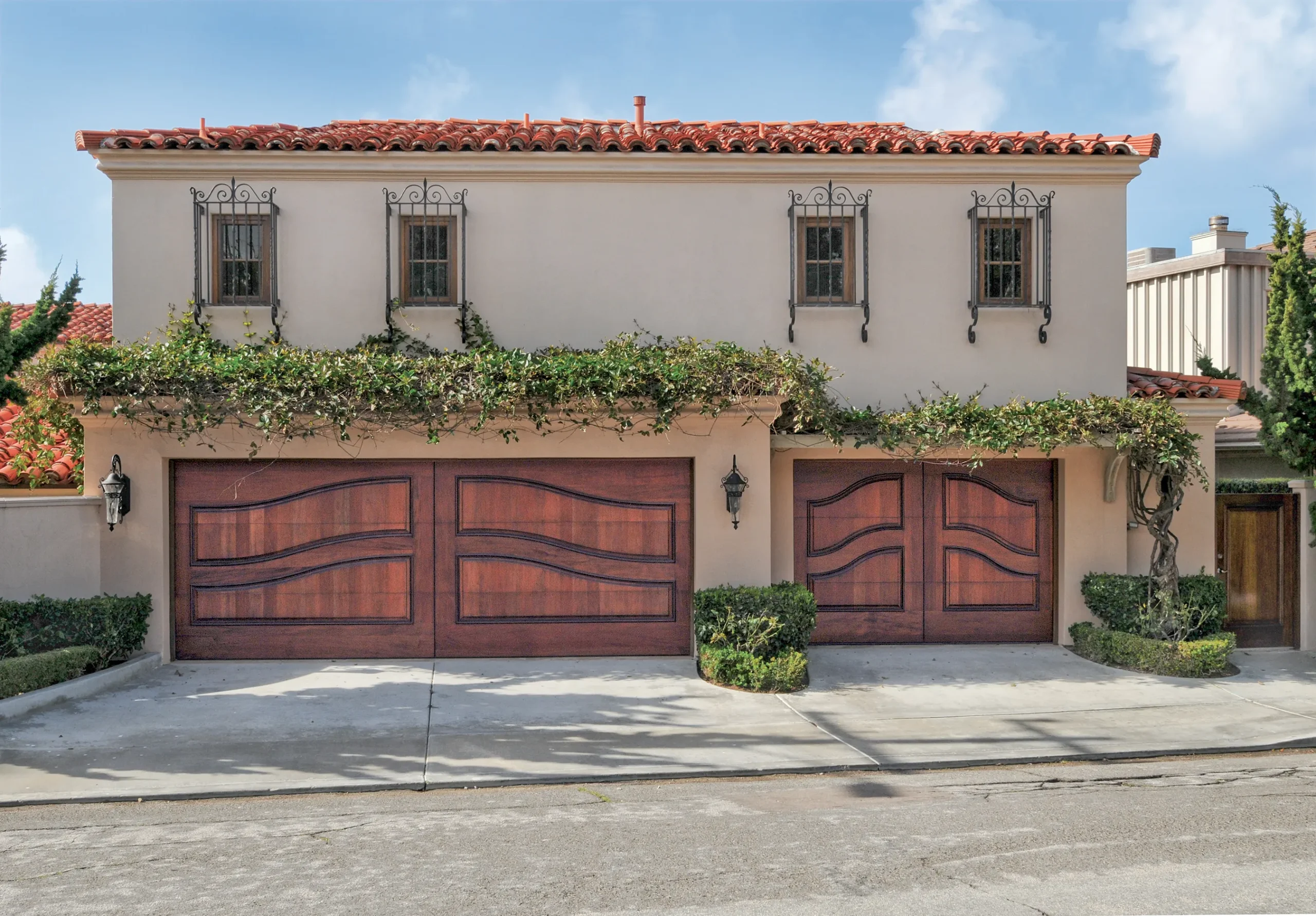
Custom wood garage doors combine natural beauty, architectural flexibility, and long-term value in a way steel doors and faux wood alternatives rarely match. Choosing the right style, wood species, and finish color turns a garage door into a defining feature of a home’s curb appeal and overall architectural style.
Garage door service built around custom design starts with understanding the full variety of garage doors available before committing to any single option. This guide breaks down the styles, wood species, cost factors, and maintenance routines every homeowner should know before choosing the right fit for their home.
Key Takeaways
- Wood species like cedar, redwood, and mahogany each offer distinct grain patterns, durability, and price points.
- Design styles range from carriage house doors and craftsman profiles to clean, contemporary plank layouts.
- Cost depends heavily on wood species, door size, decorative hardware, and customization options.
- Wood garage doors require more regular upkeep than steel or composite garage doors.
- Choosing the right combination of style and wood species depends on a home’s architecture and climate.
Common Wood Species Used for Garage Doors
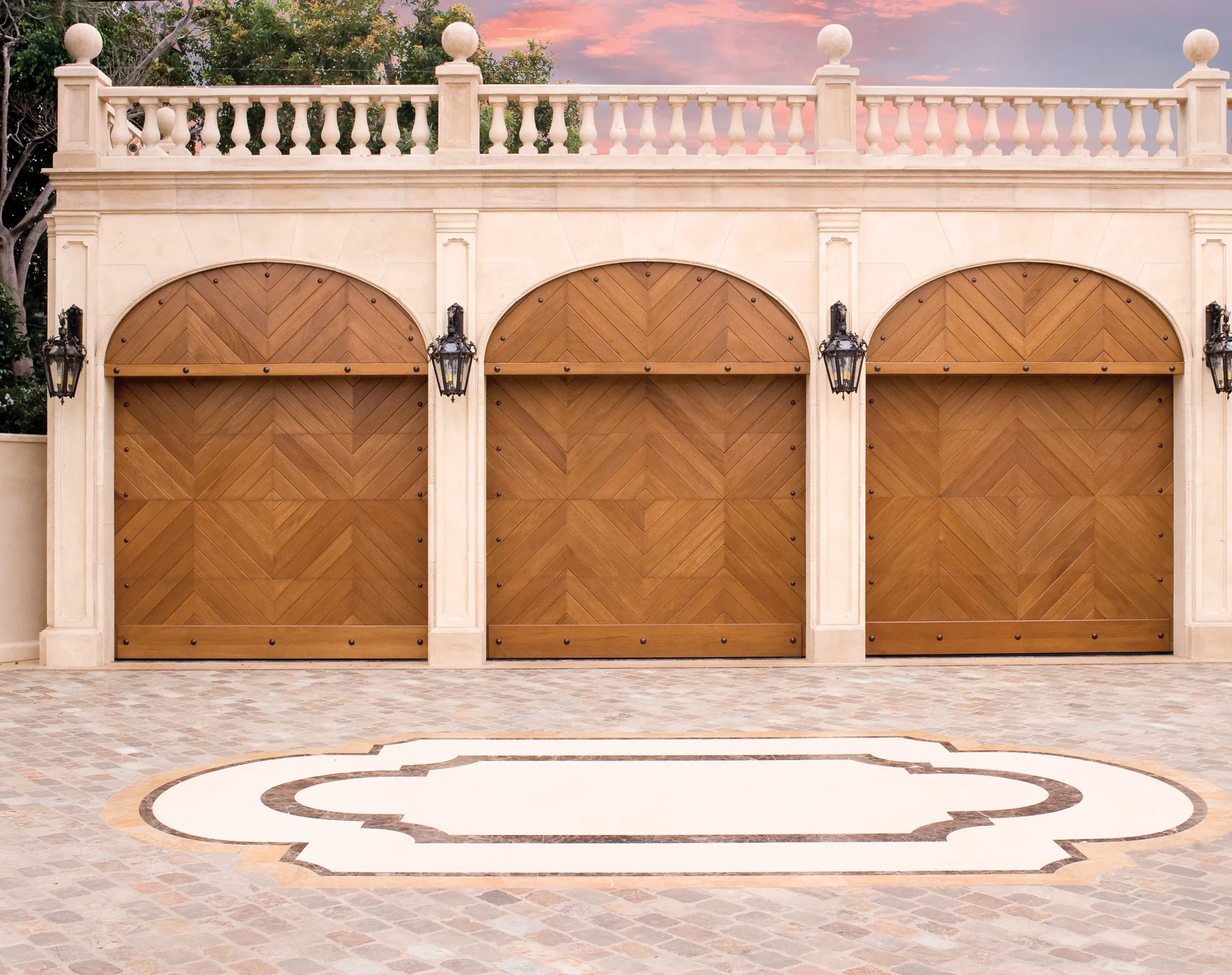
Wood species vary widely in grain pattern, natural color, and how well each one holds up against sun, moisture, and daily wear over time.
Wood Species | Natural Look | Best Suited For |
Cedar | Warm tone with visible knots | Coastal and humid climates |
Redwood | Rich reddish tone, stable grain | Homes wanting timeless beauty |
Mahogany | Deep, classic finish | Craftsman and formal architectural styles |
Douglas fir | Straight, clean grain | Budget-conscious custom projects |
Knotty cedar | Rustic, textured appearance | Rustic or farmhouse-style homes |
To compare these wood species side by side in far more detail, read our guide on Best Wood Species for Custom Garage Doors: Cedar, Redwood, Mahogany & More, which breaks down strengths and tradeoffs for each option.
Design Ideas for Custom Wood Garage Doors
Carriage House Style
Diagonal bracing and visible hardware give carriage house doors their signature look, borrowed from traditional barn doors.
A handful of details define the carriage house look most homeowners recognize:
- Diagonal or British brace motifs across the door face.
- Strap hinges and ring pulls used as decorative hardware.
- Panel divisions that echo old carriage house construction.
- Classic curb appeal suited to colonial homes and farmhouses alike.
- Optional custom windows near the top panels add light.
Timeless design draws buyers to this style specifically for its classic appeal, lasting historical character, and genuine architectural weight.
Modern and Contemporary Style
Clean lines and minimal ornamentation set contemporary garage doors apart from the more decorative carriage house and craftsman styles.
Modern wood garage doors typically include the following features:
- Smooth horizontal or vertical wood planks, often V-groove cedar.
- A flush or minimal panel face with very few decorative elements.
- Optional horizontal-style window layouts for added natural light.
- A simpler face that pairs naturally with contemporary architecture.
- Finish colors chosen to highlight clean grain rather than knots.
Minimal exterior ornamentation on sleek modern homes pairs especially well with this understated, quiet wood door style.
Craftsman Style
Geometric panel divisions give Craftsman doors a distinct profile, often paired with a full garage door installation package.
The Craftsman look relies on a specific combination of details:
- A distinct Craftsman profile with grid-style panel divisions.
- Warm natural wood tones left unpainted or lightly stained.
- Architectural framing that echoes the color of a home’s front entry.
- Paintable styles available for buyers wanting a fully custom color.
- Hardware chosen to complement the design rather than dominate it.
Matching trim details around the front door, windows, and porch columns make Craftsman doors a natural fit for homes already built in that style.
Rustic and Spanish Style
Heavy distressing and dark, weathered finishes set rustic and Spanish-style doors apart from the cleaner profiles used elsewhere in custom wood design.
A bold rustic profile relies on these specific choices:
- Heavy distressing across the wood surface for an aged look.
- Hand-forged iron accents and clavos, or decorative nail heads.
- Arched tops suited to Spanish and Mediterranean architecture.
- Dark wood stains or natural silver-gray patina finishes.
- Rustic character that pairs especially well with stucco exteriors.
Mediterranean architectural details found consistently throughout a property make this option a natural, fitting stylistic match.
Plank and Panel Style
Deep grooves and unadorned boards let the wood’s natural grain carry the entire look on its own, without hardware or bracing competing for attention.
Plank and panel doors stay easy to identify through a short list of details:
- Simple vertical or raised boards across the full door face.
- Deep grooves that add texture and natural shadow lines.
- A timeless face that works across many different architectural styles.
- Clear cedar or similar wood chosen to showcase clean grain.
- Minimal hardware keeps the focus on the wood itself.
Buyers who want the genuine look of real wood without excess ornamentation often land on this style as a great option.
What Affects the Cost of a Custom Wood Garage Door?
Multiple factors combine to determine the final cost of a custom wood garage door, which typically starts around $4,500 for a single door and $7,500 for a double.
Pricing tends to move most based on the following factors:
- Wood species, since options like mahogany cost more than fir.
- Door size, including width, height, and total number of panels.
- Decorative hardware, such as strap hinges and ring pulls.
- Customization options, including windows and specific finish color.
- Insulation and energy efficiency features built into the door.
To calculate exactly how wood species, customization, and door size combine to determine the price range, read our guide on How Much Do Custom Wood Garage Doors Cost?, which walks through typical pricing for each option in detail.
How to Choose and Buy the Right Custom Wood Garage Door
Choosing the right garage door replacement starts with matching a wood species and design style to a home’s architecture before moving into the buying process itself.
Narrowing down the right option comes down to a few practical steps:
- Reviewing a home’s architectural style before selecting a design.
- Comparing wood species based on local climate and maintenance needs.
- Requesting samples of finish colors before finalizing any order.
- Having a professional confirm measurements before ordering.
- Comparing custom wood options directly against composite garage doors.
Costly changes after the fact rarely happen to buyers who research these details thoroughly and confirm every measurement before ordering.
Caring for a Custom Wood Garage Door Over Time
Garage door maintenance for wood needs more upkeep than steel or composite doors, but it preserves the wood’s natural beauty for decades.
Routine care for a wood garage door generally covers these tasks:
- Reseal or restain the wood every few years, as needed.
- Checking for cracks or gaps where moisture could enter the wood.
- Regularly cleaning the surface to prevent buildup and staining.
- Inspecting hardware for rust or loosening over time.
- Addressing minor damage quickly before it spreads further across the door.
To map out the full maintenance schedule and every step involved, read our guide on How to Maintain Custom Wood Garage Doors for Long-Lasting Beauty, which walks through exactly what routine care looks like.
A Custom Wood Garage Door Is a Long-Term Investment in Curb Appeal
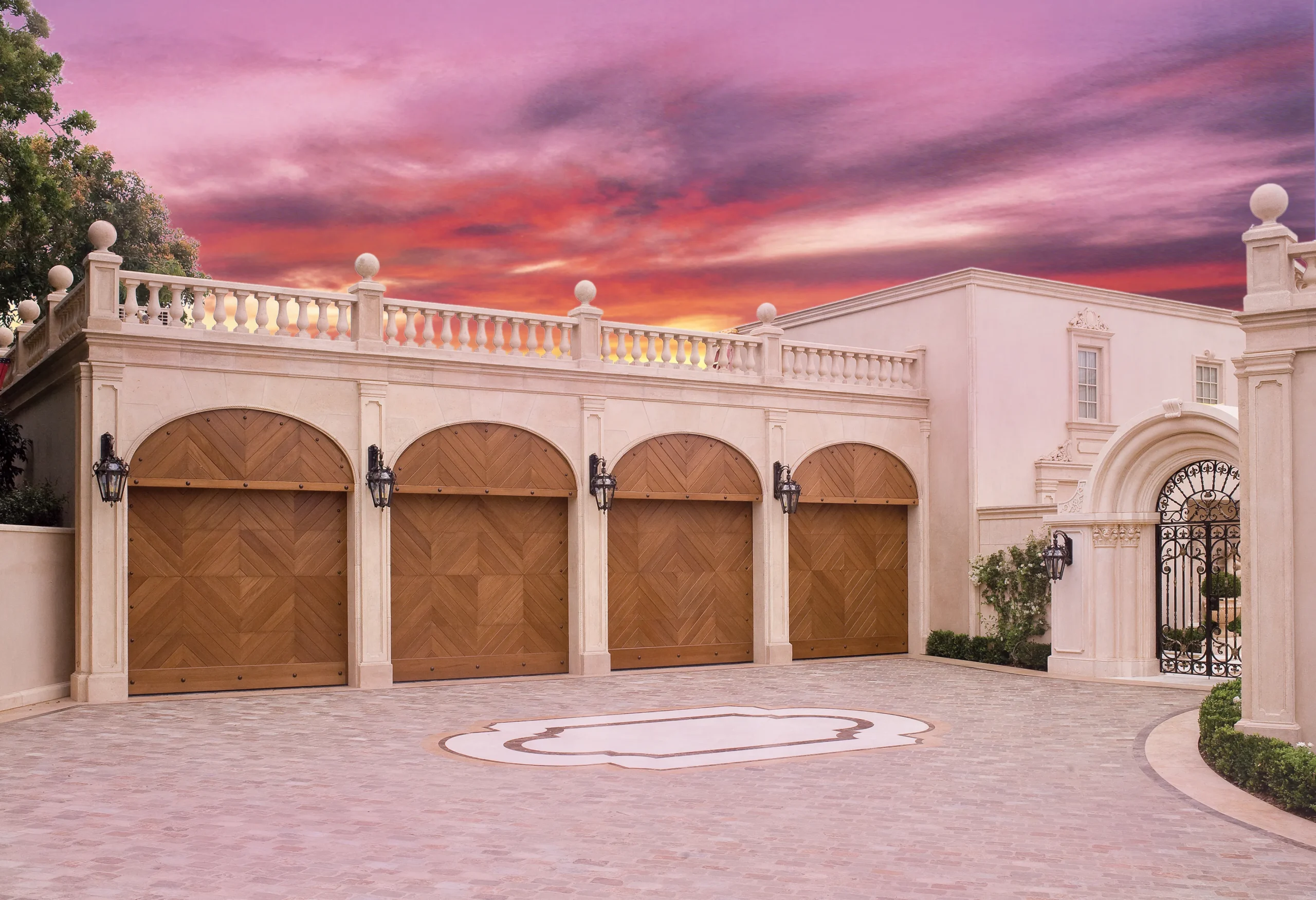
Wood species, design style, cost, and maintenance together determine whether a custom wood garage door fits a home’s budget and long-term plan. Weighing each factor carefully leads to a door that adds real, lasting value rather than one that quietly becomes a maintenance burden within a few short years.
ADS Garage Doors & Gates helps homeowners across San Diego design and install custom wood garage doors suited to each home’s unique architecture and style. Contact us or give us a call today to start planning a door that reflects your home’s character and fits comfortably within your budget.