
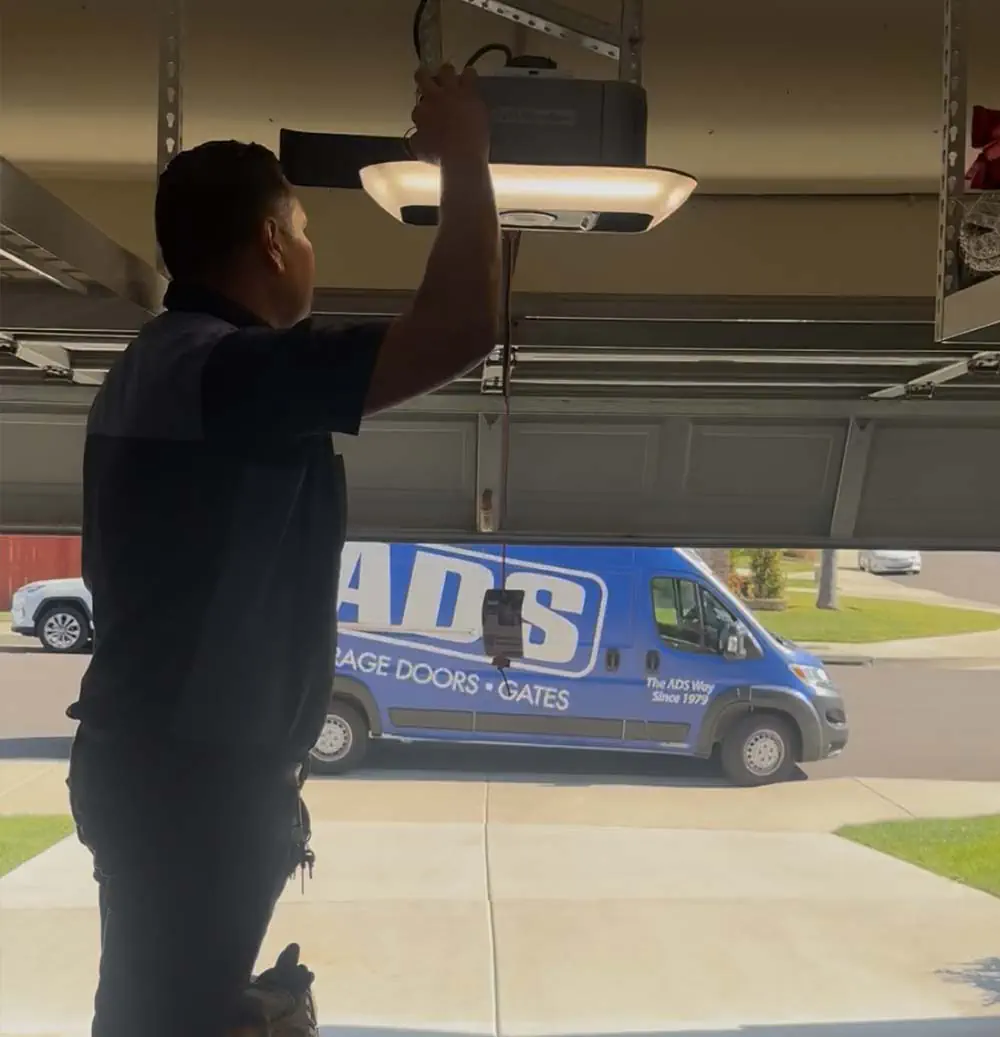
Knowing how often to schedule annual garage door maintenance directly affects how long a garage door system lasts and how much it costs to keep it running. The answer is not the same for every home because usage, age, and environmental conditions all play a role in determining the right service interval.
Skipping or delaying garage door maintenance puts extra strain on springs, cables, rollers, and every other component that carries the load each time the door cycles. A consistent maintenance schedule catches small problems before they become far more expensive and inconvenient repairs.
Why Does Garage Door Maintenance Timing Matter?
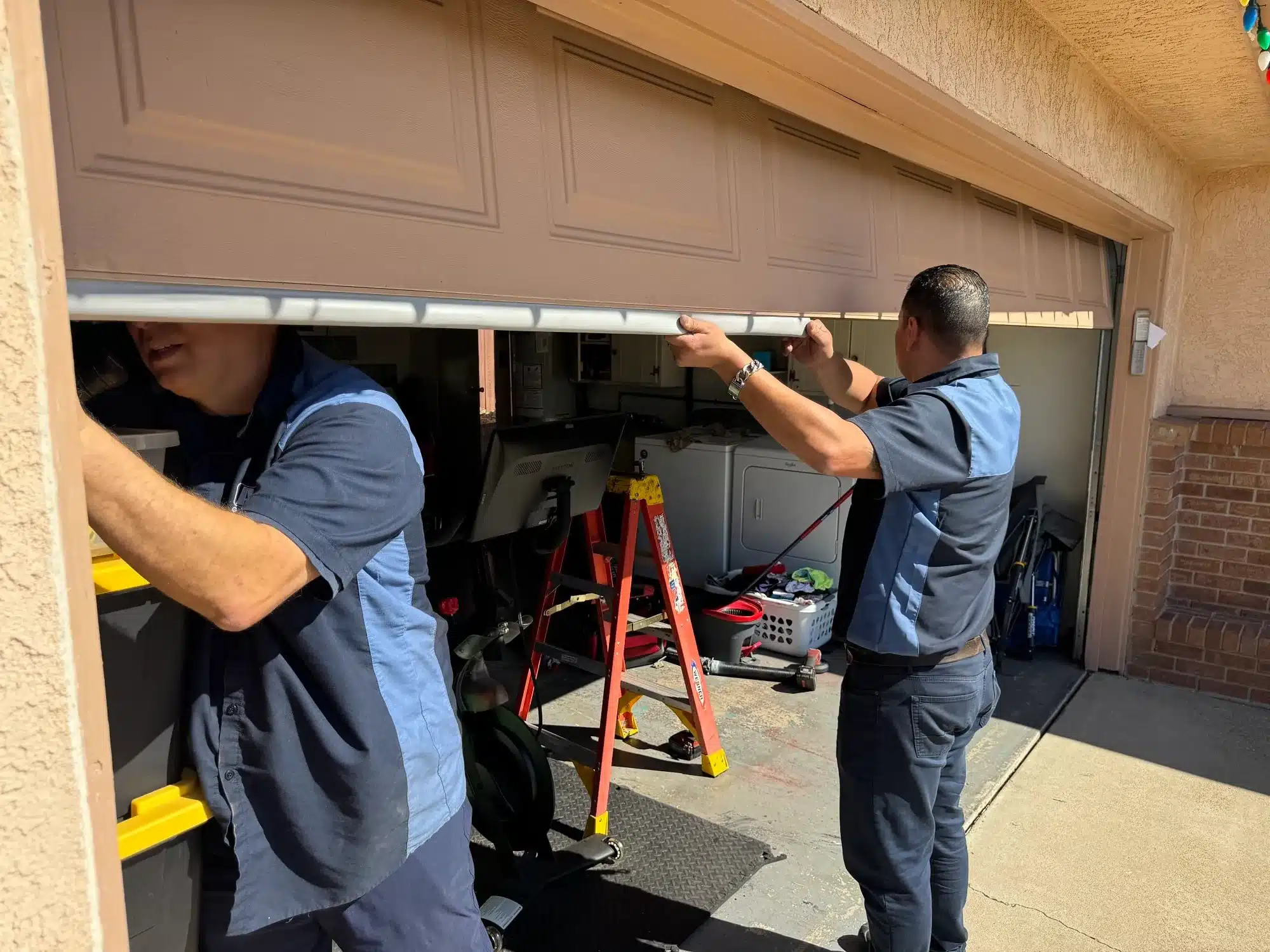
Every service visit that gets delayed gives wear, corrosion, and mechanical stress more time to build up across components that the door depends on to function correctly, and that window of neglect is exactly where most preventable repairs begin.
Reasons why timing directly affects the system:
- Worn components go undetected until they fail completely.
- Dried-out lubrication causes metal parts to grind against each other, accelerating wear.
- Safety features fall out of calibration between professional visits.
- Salt air in San Diego corrodes springs, cables, and roller brackets faster.
- Skipping visits forces the garage door opener to work harder than normal, wearing out the motor ahead of schedule.
To understand how consistent servicing protects a home over time, read our guide on What Are the Benefits of Annual Garage Door Maintenance?, which covers every advantage of keeping a garage door on a professional service schedule.
What Does a Garage Door Maintenance Schedule Usually Cover?
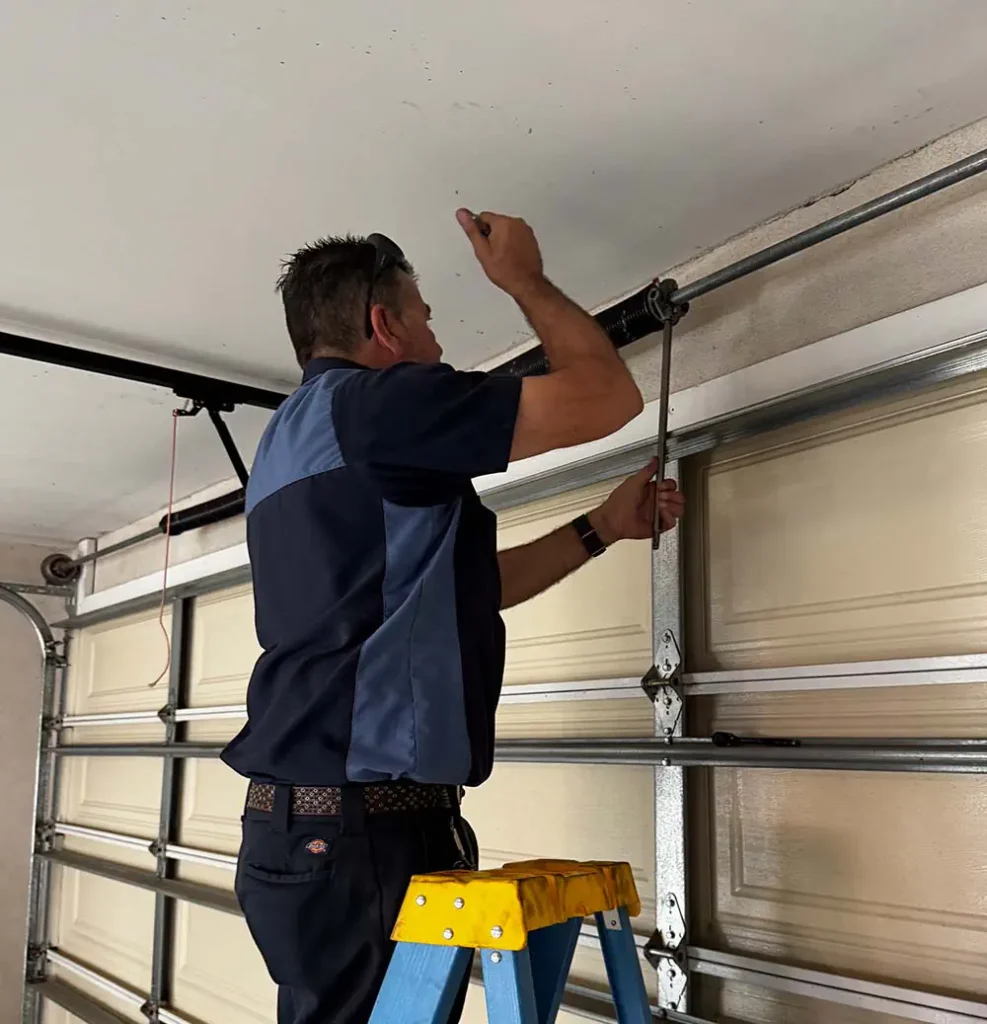
Knowing what gets checked and serviced during a professional visit makes it easier to understand why the frequency of those visits matters as much as it does.
Component | What Gets Checked |
Torsion springs | Inspected for wear, rust, and proper tension |
Lift cables | Checked for fraying, slack, and uneven wear |
Roller brackets | Examined for cracks, bending, and loose bolts |
Metal parts | Evaluated for corrosion from moisture and salt air |
Hinges and rollers | Lubricated to reduce friction and slow wear |
Safety features | Tested to confirm correct response to obstructions |
Loose hardware | Tightened and weather stripping inspected for gaps |
Door weight | Weighed to verify installed springs match the door’s total dead weight |
To get a complete picture of every task a technician performs, read our guide on What Does Annual Garage Door Maintenance Cover?, which walks through the full scope of a standard service appointment.
How Often Should Annual Garage Door Maintenance Be Scheduled?
Professional Service Frequency
Scheduling professional service at the right intervals keeps every component in the garage door system performing as it should between visits.
Usage Type | Recommended Frequency | Best Time to Schedule |
Average daily use | Once every 12 months | Spring or fall |
High-traffic or primary entry door | Every 6 months | Spring and fall |
Older systems or coastal areas like San Diego | Every 6 to 9 months | Throughout the year |
Matching the service interval to actual usage conditions keeps the garage door system performing at the level it was installed to maintain.
DIY Maintenance Frequency Between Professional Visits
Basic self-checks performed on a consistent schedule extend the results of each professional visit throughout the year.
Interval | Maintenance Task |
Every month | Balance test and auto-reverse check using a piece of wood in the door’s path |
Every 3 to 6 months | Lubricate hinges, torsion springs, and roller bearings, and inspect lift cables and rollers for wear or rust |
Every couple of months | Wipe down door panels and the bottom seal with mild detergent to protect against weathering |
Ongoing | Keep tracks wiped clean, but never apply spray lubricant to the inside of the track |
Performing these checks between professional visits keeps minor issues visible before they require a professional garage door repair call.
What Factors Affect the Garage Door Maintenance Schedule?
Each household presents different conditions that push a garage door system toward more or less frequent professional service.
Factors that directly influence the maintenance schedule:
- Daily usage rate speeds up wear on springs, cables, and rollers.
- System age moves components closer to the end of their service range.
- Coastal conditions in San Diego introduce salt air that accelerates corrosion between visits.
- A history of garage door repairs indicates that certain components require closer monitoring.
- A recent garage door replacement establishes a new maintenance baseline with different service needs than an aging system.
Keeping these factors in mind when setting a schedule ensures the door is serviced at the right interval based on its actual condition.
Signs It Is Time to Schedule Garage Door Maintenance Early
Waiting for the scheduled date is not always the right move when the garage door system is already showing warning signs.
Signs that warrant scheduling garage door maintenance ahead of the regular interval:
- Grinding, popping, or rattling during operation indicates components that need immediate attention.
- Slow or uneven movement indicates a balance issue or mechanical resistance.
- Rust, fraying, or cracks on springs, lift cables, or rollers require professional evaluation.
- A gap in the torsion spring is a safety hazard requiring immediate professional repair.
- Peeling paint or a deteriorating bottom seal signals compromised exterior protection.
To determine who is qualified to address these warning signs correctly, read our guide on Who Should Perform Annual Garage Door Maintenance?, which covers what separates a trained technician from an unqualified one.
What Homeowners Gain by Staying on a Regular Garage Door Maintenance Schedule
Consistent professional service delivers measurable results that go beyond keeping the door operational from one visit to the next.
Garage door maintenance benefits that come with staying on a regular schedule:
- An extended system lifespan reduces the frequency at which a full garage door installation becomes necessary.
- Fewer emergency repair calls lower overall maintenance costs over time.
- Safety features stay calibrated and respond correctly on every cycle.
- Energy efficiency improves when seals and weather stripping are kept in good condition.
- Peace of mind comes from knowing the system has been consistently and professionally evaluated.
Regular garage door maintenance protects the property investment and keeps the system performing at the standard it was installed to meet.
Follow a Garage Door Maintenance Schedule That Keeps the System Running All Year
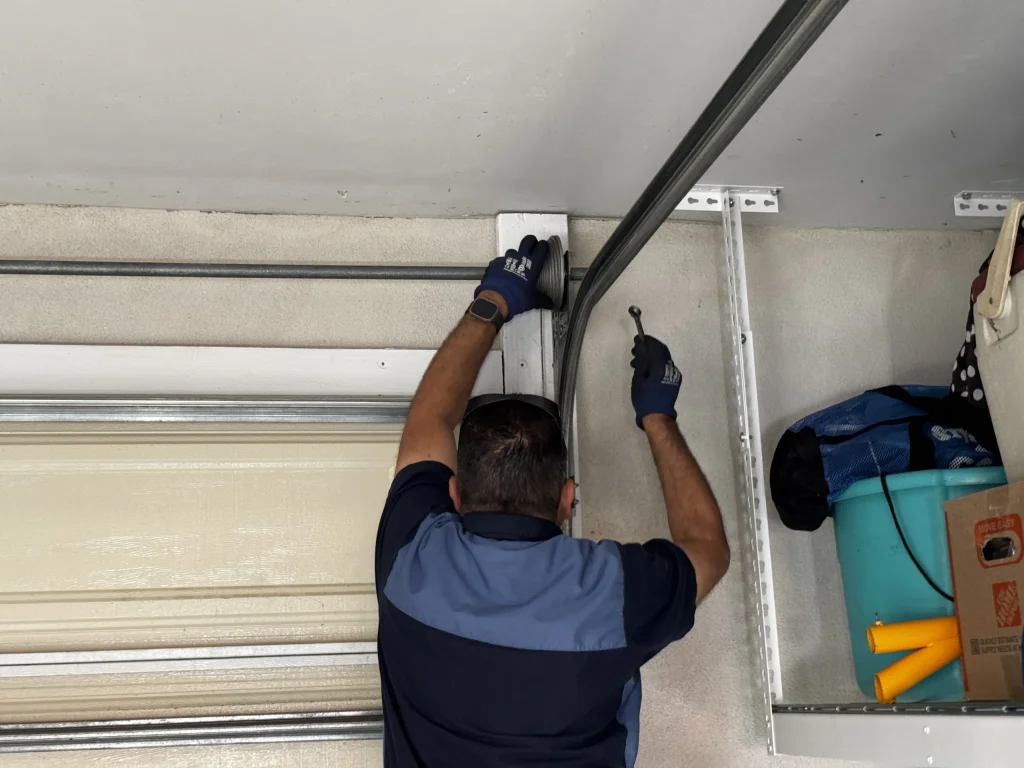
Annual garage door maintenance at the right interval protects every component and keeps the door operating at the level homeowners depend on daily. Getting the schedule right based on usage, age, and local conditions is what keeps a garage door system running strong without unexpected failures.
ADS Garage Doors & Gates brings professional inspections, honest assessments, and hands-on expertise to San Diego homeowners who want their system maintained the right way. Contact us or give us a call today to book your annual garage door maintenance visit and let our team keep every component performing at its best.